 Anabelle
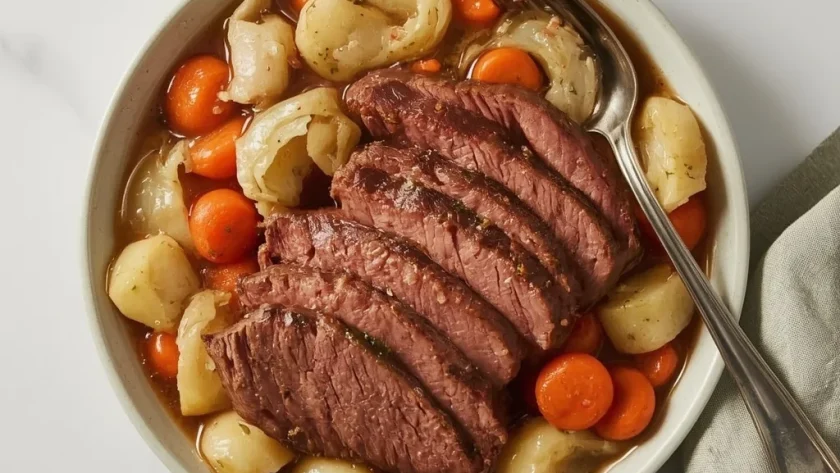
 Pioneer Woman Corned Beef And Cabbage is the kind of meal that fills the whole house with that warm, savory aroma you only get from something simmering away on the stove for hours. It’s a classic Irish-American supper built around a brined brisket that turns meltingly tender, surrounded by cabbage, carrots, and baby red potatoes that soak up all that seasoned broth. This is comfort food at its most practical — one pot, simple ingredients, and a result that feels like a real occasion.
You’ll need about 200 minutes from start to finish, and I’d call this a beginner-friendly recipe even though the cook time is long. The only part that asks for a little attention is the searing and watching the simmer — but honestly, the oven does most of the heavy lifting once everything is in the pot. It’s the perfect Sunday supper or a St. Patrick’s Day centerpiece that doesn’t demand constant fussing.
A Quick Glimpse at Pioneer Woman Corned Beef And Cabbage
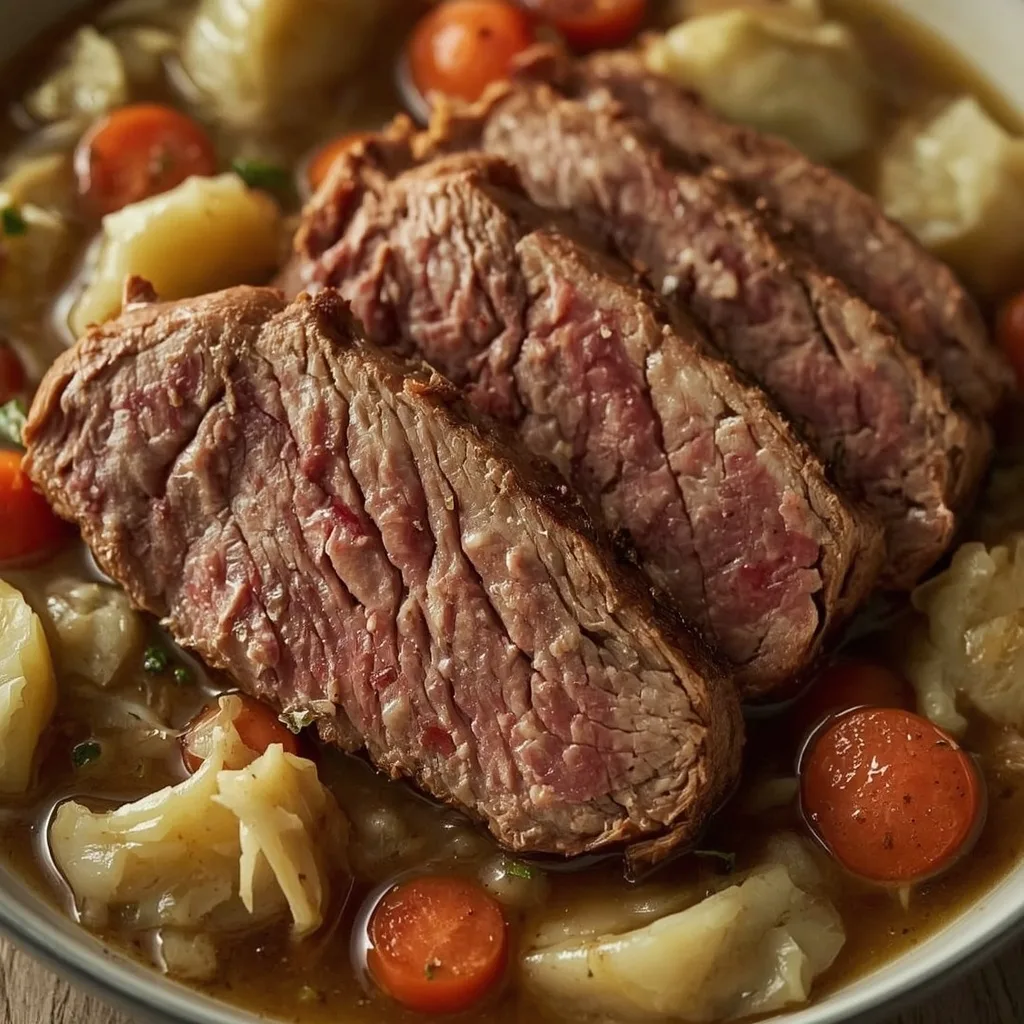
At its simplest, this dish is a brined beef brisket simmered low and slow with a handful of aromatics, then joined by chunky vegetables near the end of cooking. The brisket comes with a spice packet that typically holds peppercorns, mustard seeds, and coriander — that’s what gives the broth its character. After hours of gentle bubbling, the meat turns fork-tender with a pleasant saline bite, while the vegetables stay firm enough to hold their shape but soft enough to soak up the cooking liquid. Serve it with whole-grain mustard or horseradish for a sharp contrast, and you have a plate that tastes like a pub meal but comes from your own kitchen.
Why This Recipe is Worth Trying
This one earns its place in your rotation for several solid reasons. Here is what stands out to me every time I make it.
- One-Pot Simplicity — Everything cooks in a single Dutch oven, which means less cleanup and more flavor development as the ingredients mingle together.
- Forgiving Cook Time — Once it’s simmering, you can walk away for hours; the low heat does the work without demanding constant stirring or checking.
- Built-In Meal — The protein and vegetables cook together in one go, so you don’t need a separate side dish to round out the plate.
- Impressive Yet Accessible — Slicing the brisket against the grain and plating it with vibrant vegetables looks like a chef’s move, but the technique is easy to master.
Essential Ingredients for This Recipe
You don’t need a long shopping list here, but quality matters when the ingredient count is this tight. Let’s walk through what goes into the pot.
The Star of the Show
- Corned beef brisket (3 to 3.5 lb, with spice packet) — This is the brined, pink-hued cut that defines the whole dish. Pick one that feels firm and has a good layer of fat on one side, about 1/4 inch, to keep the meat moist as it simmers.
Aromatics and Seasonings
- Yellow onion (1 large, cut into 8 wedges) — The wedges soften into the broth and add a gentle sweetness that balances the saltiness of the beef.
- Garlic (3 cloves, smashed) — Smashing rather than chopping releases flavor without burning, since it cooks briefly before the liquid goes in.
- Bay leaves (2) — These add a subtle herbal note that deepens as the pot simmers.
- Whole black peppercorns (1 tbsp) — Whole spices hold up to long cooking better than ground, so they infuse the broth without turning gritty.
- Reserved spice packet contents — Don’t toss this — it’s the seasoning blend that makes corned beef taste like corned beef.
The Hearty Vegetables
- Baby red potatoes (1 lb, halved) — Their waxy texture means they hold their shape during simmering instead of turning to mush. Halving them helps them cook through in the same time as the carrots.
- Carrots (4 large, about 12 oz, cut into 2-inch chunks) — Chunky pieces stand up to the long cook time and pick up the seasoned broth beautifully.
- Green cabbage (1 small head, about 1.5 lb, cut into 8 wedges with core intact) — Keeping the core attached stops the leaves from falling apart, so each wedge stays intact for serving.
Finishing Touches
- Unsalted butter (2 tbsp, melted, optional) — A drizzle over the vegetables right before serving adds richness without competing with the beef.
- Fresh parsley (2 tbsp, chopped) — A bright, green finish that cuts through the richness.
- Whole-grain mustard or horseradish sauce — Serve on the side; the sharpness wakes up the palate and pairs perfectly with the beef’s salty notes.
Useful Equipment
You probably own most of this already. Here is what makes the process smooth.
- A large Dutch oven (at least 6 quarts) — This is non-negotiable for searing, simmering, and fitting all the vegetables. A heavy-bottomed pot with a tight lid works too.
- Tongs — You’ll need these to flip the brisket during searing and to lift it out when tender without breaking it apart.
- A fat separator or large spoon — Skimming the rendered fat from the cooking liquid keeps the broth from tasting greasy.
- A sharp chef’s knife — Slicing the brisket against the grain requires a clean edge; a dull blade will shred the tender meat.
- Aluminum foil — For tenting the rested brisket while the vegetables cook.
Directions to Make Pioneer Woman Corned Beef And Cabbage
The process has clear phases — sear, simmer, rest, then finish with vegetables. Follow them in order and you’ll have a platter worth photographing.
- Prep the Brisket — Rinse the brisket under cold water and pat it completely dry with paper towels. Trim excess fat to about 1/4 inch, which keeps the meat moist without leaving a heavy, greasy layer.
- Sear for Flavor — Heat vegetable oil in the Dutch oven over medium-high until it shimmers, then place the brisket fat-side down. Let it brown undisturbed for 4-5 minutes before flipping; this deep crust is where much of the flavor comes from.
- Soften the Aromatics — After removing the brisket, cook the onion wedges and smashed garlic in the same pot for 3-4 minutes, scraping up the browned bits stuck to the bottom.
- Add Liquid and Spices — Return the beef fat-side up, then add the spice packet, beef broth, bay leaves, and peppercorns. Top up with water so the liquid covers the meat by at least 1 inch.
- Simmer Low and Slow — Bring to a boil, then drop to a gentle simmer where small bubbles break the surface. Cover and cook for 2 hours on low heat.
- Check for Tenderness — A fork should pierce the meat with slight resistance. If not, continue in 30-45 minute increments until it hits that fork-tender stage, ideally around 190°F internal.
- Rest the Brisket — Move it to a cutting board and tent with foil while you skim the excess fat from the liquid.
- Cook the Potatoes and Carrots — Add them to the simmering broth and cook covered for 10-12 minutes until a knife slides through with slight resistance.
- Add the Cabbage Last — Nestle the wedges into the liquid and simmer another 10-12 minutes. The edges should turn translucent but the wedges keep a slight bite.
- Slice Against the Grain — Look for the long muscle lines and slice perpendicular to them into 1/4-inch pieces for the most tender bites.
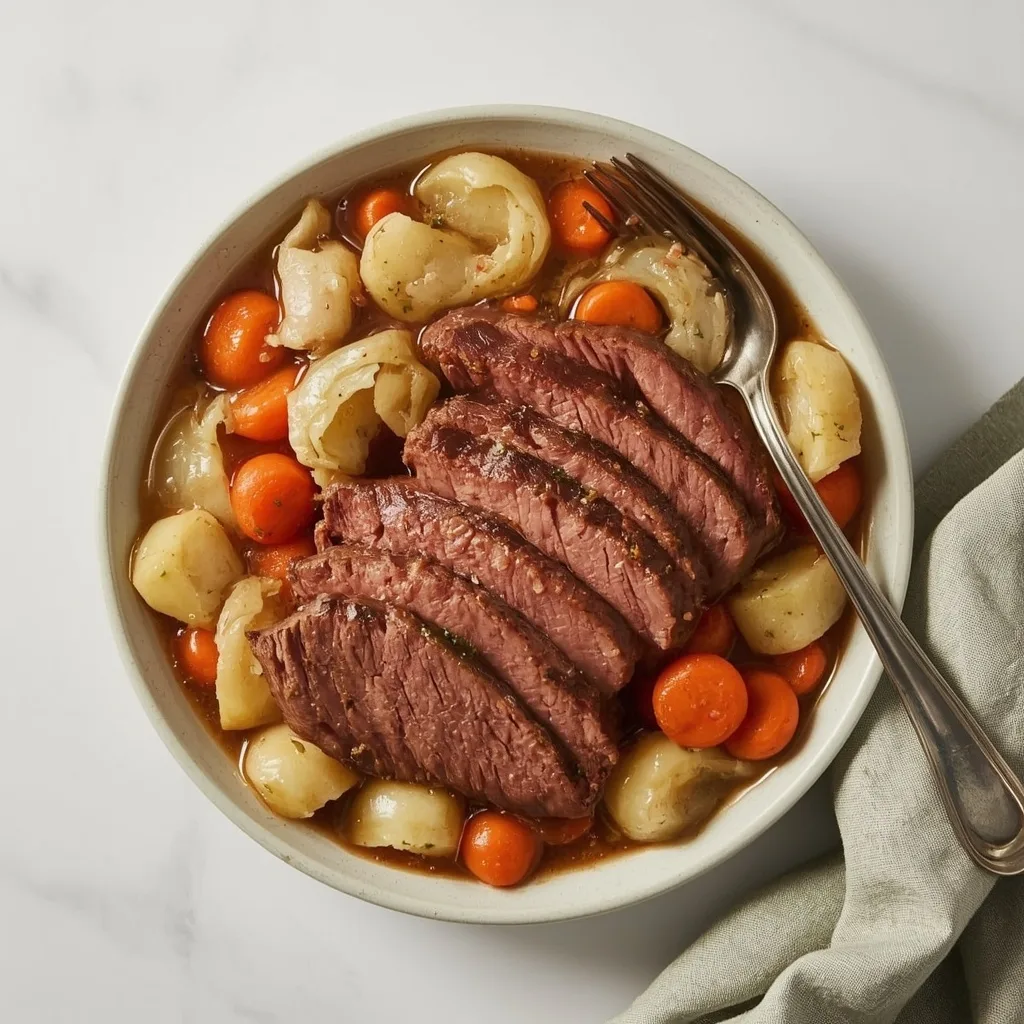
- Assemble and Serve — Arrange the beef on a platter, surround with vegetables, and drizzle with melted butter if using. Finish with parsley and serve with mustard or horseradish.
What I Got Wrong (And How I Fixed It)
Some lessons only come from a pot that didn’t turn out right the first time. Here are the mistakes worth avoiding.
- Skipping the Sear — The first time I made this, I dumped everything in without browning the beef, and the broth tasted flat. That 4-5 minute sear builds a depth you simply cannot get any other way.
- Boiling Instead of Simmering — A rolling boil makes the brisket tough and stringy. Small, lazy bubbles are what you want — that gentle heat is what breaks down the connective tissue.
- Overcooking the Cabbage — I left the cabbage in too long once and ended up with mushy wedges and that unpleasant sulfur smell. Ten to twelve minutes is plenty.
- Slicing With the Grain — Cutting the wrong direction turned tender meat into chewy strips. Find those muscle lines and cut across them — it makes all the difference.
- Adding Vegetables Too Early — The potatoes and carrots went in with the beef once, and by the time the meat was tender, they had disintegrated into the broth. They only need about 20 minutes total.
Healthier Ways to Make Pioneer Woman Corned Beef And Cabbage
This dish leans hearty, but a few swaps can lighten it up without losing the soul of the meal.
- Trim More Fat — Cut the fat layer down to about 1/8 inch before cooking, and skim the broth thoroughly after simmering. You’ll cut a noticeable amount of saturated fat.
- Swap the Broth — Use a low-sodium beef broth or plain water to control the salt. The brine from the corned beef already adds plenty of sodium, so you have room to dial it back.
- Add More Vegetables — Throw in extra carrots and potatoes, or add parsnips and turnips, to stretch the dish into more servings of produce per plate.
- Skip the Butter — The melted butter drizzle is optional, and the vegetables are plenty flavorful from the cooking liquid on their own.
- Serve Smaller Portions — This recipe makes four generous servings with 655 calories each; dividing into six portions brings that number down considerably.
Ingredient Substitutions for Pioneer Woman Corned Beef And Cabbage
Running short on something? These swaps keep the dish on track.
- Beef broth → Water — The recipe works fine with plain water since the brisket’s brine seasons everything; just add a bit more salt if needed at the end.
- Baby red potatoes → Yukon Gold or new potatoes — Both have that waxy texture that holds up to simmering without falling apart.
- Yellow onion → White or sweet onion — White onions are a bit sharper, sweet onions milder; either works in the same quantity.
- Whole peppercorns → 1 teaspoon ground black pepper — Ground pepper disperses more intensely, so use less and add it with the broth.
- Fresh parsley → Dried parsley (1 teaspoon) — Use about a third of the fresh amount, though fresh really does brighten the finished dish more.
- Whole-grain mustard → Dijon or spicy brown mustard — Any sharp mustard brings that same tangy contrast to the rich beef.
Unexpected Ways to Enjoy This Pioneer Woman Corned Beef And Cabbage
Leftovers are a gift, and this dish keeps giving beyond the first dinner plate.
- Reuben-Style Sandwiches — Pile sliced beef on rye with Swiss cheese, sauerkraut, and Thousand Island dressing, then grill until the cheese melts.
- Corned Beef Hash — Chop the beef and potatoes, then fry with onions in a hot skillet until crispy. Top with a fried egg for breakfast.
- Beef and Cabbage Soup — Shred leftover beef and cabbage into the strained cooking liquid with extra broth for a warming soup.
- Irish Nachos — Slice the potatoes thick, top with chopped beef, cabbage, and melted cheese, then broil until bubbly.
- Baked Potato Topper — Fluff a baked potato and pile on shredded beef, sautéed cabbage, and a dollop of horseradish cream.
Best Tips for Pioneer Woman Corned Beef And Cabbage Success
These small details separate a good pot from a great one. Pay attention to these and you’ll nail it.
- Reserve the Spice Packet — That little pouch carries the coriander, mustard seeds, and peppercorns that give corned beef its signature flavor profile; do not cook without it.
- Keep the Core Intact on Cabbage — Cutting wedges with the core attached holds the leaves together through simmering so each portion stays neat on the plate.
- Skim the Fat Before Adding Vegetables — A quick skim keeps the broth from coating the vegetables in greasy film; a fat separator makes this effortless.
- Rest the Brisket Uncovered — Tenting loosely with foil lets the meat rest without steaming, which keeps the exterior from turning mushy while it sits.
- Check the Grain Twice — The grain can shift direction in the flat and point cuts, so look at each slice as you go rather than assuming it runs one way.
- Use the Oven Method for Even Heat — If your stovetop runs hot or cold, the covered pot in a 300°F oven for 3 to 3.5 hours gives you worry-free, even cooking.
Tasty Twists on Pioneer Woman Corned Beef And Cabbage
Once you’ve mastered the classic version, these variations keep things interesting.
- Add Guinness — Replace one cup of the beef broth with a bottle of stout for a deeper, slightly bitter note that pairs beautifully with the salty beef.
- Spice It Up — Stir a tablespoon of brown sugar and a teaspoon of Dijon mustard into the broth for a sweet-and-sharp glaze effect on the meat.
- Try Root Vegetable Medley — Swap half the potatoes for parsnips and rutabaga chunks for a more complex, earthy flavor profile.
- Make It a One-Pot Roast — After simmering, transfer the pot to a 400°F oven for 10 minutes to caramelize the vegetables and give them crispy edges.
- Finish With Cream — Stir a splash of heavy cream into the broth at the very end for a richer, almost stew-like sauce over the sliced beef.
Best Ways to Store Your Pioneer Woman Corned Beef And Cabbage
This dish stores exceptionally well, which makes it great for meal prep or planned leftovers.
- Refrigerator in Airtight Containers — Store the beef, vegetables, and broth separately for up to 4 days; keeping them apart preserves each component’s texture.
- Freezer for the Beef — Wrap cooked brisket tightly in plastic wrap and then foil; it stays good for up to 3 months without freezer burn.
- Freeze the Broth Separately — Strain and freeze the cooking liquid in a labeled container; it makes an excellent base for soup or a braising liquid later.
- Vegetables in the Fridge — Keep cooked veggies in their own container; they reheat quickly and don’t need the freezer treatment since they lose texture when frozen.
Ways to Warm It Up Again
Reheating this dish properly keeps it from drying out or turning mushy. Here are the best routes.
- Skillet on the Stovetop — Add sliced beef to a covered skillet with a splash of broth over low heat until warmed through; this preserves the texture best.
- Microwave for Speed — Individual portions take 1-2 minutes on medium power; add a tablespoon of broth to keep the meat moist.
- Oven for Larger Batches — Cover with foil and warm at 300°F for 10-15 minutes; the low heat prevents the beef from drying out.
Nutritional Breakdown (per serving)
Based on 1 serving out of 4 total, here is what you get on the plate. This is a hearty meal, so portion sizes are generous.
- Calories — 655
- Protein — 45g
- Fat — 34g
- Saturated Fat — about 12g
- Carbohydrates — 43g
- Fiber — 8g
- Sugar — 10g
- Sodium — around 2100mg
- Cholesterol — close to 120mg
Try These Recipes
Wrapping It Up
There is a reason Pioneer Woman Corned Beef And Cabbage shows up on so many holiday tables — it delivers big flavor with minimal fuss and feeds a crowd on a reasonable budget. The long simmer rewards you with fork-tender beef, and the vegetables that cook in that seasoned broth are worth the wait alone. Give it a try this weekend, and you will see why this one-pot meal earns its reputation.
PrintPioneer Woman Corned Beef And Cabbage
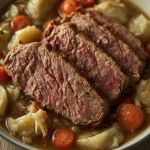
A classic St. Patrick’s Day supper featuring tender, flavorful corned beef brisket simmered with hearty cabbage, carrots, and potatoes. The beef is cooked low and slow until fork-tender, then sliced against the grain and served with buttery vegetables and a touch of spicy mustard.
- Prep Time: 20
- Cook Time: 180
- Total Time: 200
- Yield: 4 1x
- Category: Main Course
- Method: Stovetop
- Cuisine: Irish-American
Ingredients
- 1 (3 to 3.5 lb) corned beef brisket with spice packet
- 1 tbsp vegetable oil
- 1 large yellow onion, cut into 8 wedges
- 3 cloves garlic, smashed
- 4 cups low-sodium beef broth (or water, if preferred)
- 2 bay leaves
- 1 tbsp whole black peppercorns
- 1 lb baby red potatoes (about 12-15), halved
- 4 large carrots (about 12 oz), peeled and cut into 2-inch chunks
- 1 small head green cabbage (about 1.5 lb), cut into 8 wedges, core intact
- 2 tbsp unsalted butter, melted (optional, for serving)
- 2 tbsp chopped fresh parsley, for garnish
- Whole-grain mustard or horseradish sauce, for serving
Instructions
- Remove the corned beef brisket from its packaging and reserve the spice packet. Rinse the brisket under cold water and pat it completely dry with paper towels. Trim any excess fat, leaving a thin layer (about 1/4 inch) to keep the meat moist during cooking.
- In a large Dutch oven or heavy-bottomed pot (at least 6 quarts), heat the vegetable oil over medium-high heat until it shimmers. Carefully place the brisket fat-side down in the pot and sear undisturbed for 4-5 minutes until deeply browned. Flip and sear the other side for 3-4 minutes. This browning builds a rich flavor base.
- Transfer the brisket to a plate. Reduce the heat to medium, then add the onion wedges and smashed garlic to the pot. Cook, stirring occasionally, for 3-4 minutes until the onions begin to soften and turn golden at the edges, scraping up any browned bits from the bottom of the pot.
- Return the brisket to the pot, fat-side up. Add the contents of the spice packet, the beef broth, bay leaves, and whole peppercorns. Add enough water if needed to ensure the liquid covers the brisket by at least 1 inch. Bring to a boil over high heat, then reduce to a gentle simmer—you want small bubbles, not a rolling boil.
- Cover the pot with a tight-fitting lid and cook on low heat, maintaining a gentle simmer, for 2 hours. After 2 hours, check the brisket: it should be tender enough that a fork pierces with slight resistance but not falling apart. If not, continue cooking covered for 30-45 minute increments until fork-tender (internal temperature should reach 190°F / 88°C for sliceable tenderness).
- Once the brisket is tender, carefully transfer it to a cutting board and tent loosely with aluminum foil to rest. Skim off excess fat from the cooking liquid with a large spoon or fat separator.
- Add the halved baby red potatoes and carrot chunks to the pot. Bring the liquid back to a gentle simmer over medium heat. Cover and cook for 10-12 minutes until the potatoes are just fork-tender but not mushy—the tip of a knife should slide through with slight resistance.
- Nestle the cabbage wedges into the pot, pushing them into the liquid. Cover and simmer for an additional 10-12 minutes, or until the cabbage is tender but still has a slight bite, and the edges have turned translucent. Do not overcook, or the cabbage will become mushy and release a strong sulfur smell.
- While the vegetables cook, slice the rested brisket against the grain. To find the grain, look for the long lines of muscle fibers; slice perpendicular to them for the most tender pieces. Slice into 1/4-inch thick slices.
- To serve, arrange slices of corned beef on a platter and surround with the potatoes, carrots, and cabbage. Drizzle with melted butter, if using, and sprinkle with fresh parsley. Serve immediately with whole-grain mustard or horseradish sauce on the side.
- If you prefer an oven method: after searing and adding liquid, cover the pot and place in a preheated 300°F (150°C) oven for 3 to 3.5 hours, or until fork-tender. Then add the vegetables and return to the oven for 20-25 minutes until tender.
Notes
Storage: Store leftover corned beef, vegetables, and broth in separate airtight containers in the refrigerator for up to 4 days. Freezing: The cooked corned beef can be frozen for up to 3 months—wrap tightly in plastic wrap and foil. Reheating: To preserve texture, reheat sliced beef in a covered skillet with a splash of broth over low heat until warmed through; microwave individual portions for 1-2 minutes. Vegetables can be reheated in the microwave or in a skillet with a little butter. The cooking liquid can be strained and refrigerated—skim any fat before using as a base for soup or as a braising liquid.
Nutrition
- Calories: 655
- Sugar: 10g
- Sodium: 2100mg
- Unsaturated Fat: 11g
- Carbohydrates: 43g
- Fiber: 8g
- Protein: 45g
- Cholesterol: 150mg
Keywords: corned beef and cabbage, corned beef recipe, St. Patrick's Day dinner, boiled dinner, Irish-American, brisket, cabbage, carrots, potatoes, one-pot meal