

 Anabelle
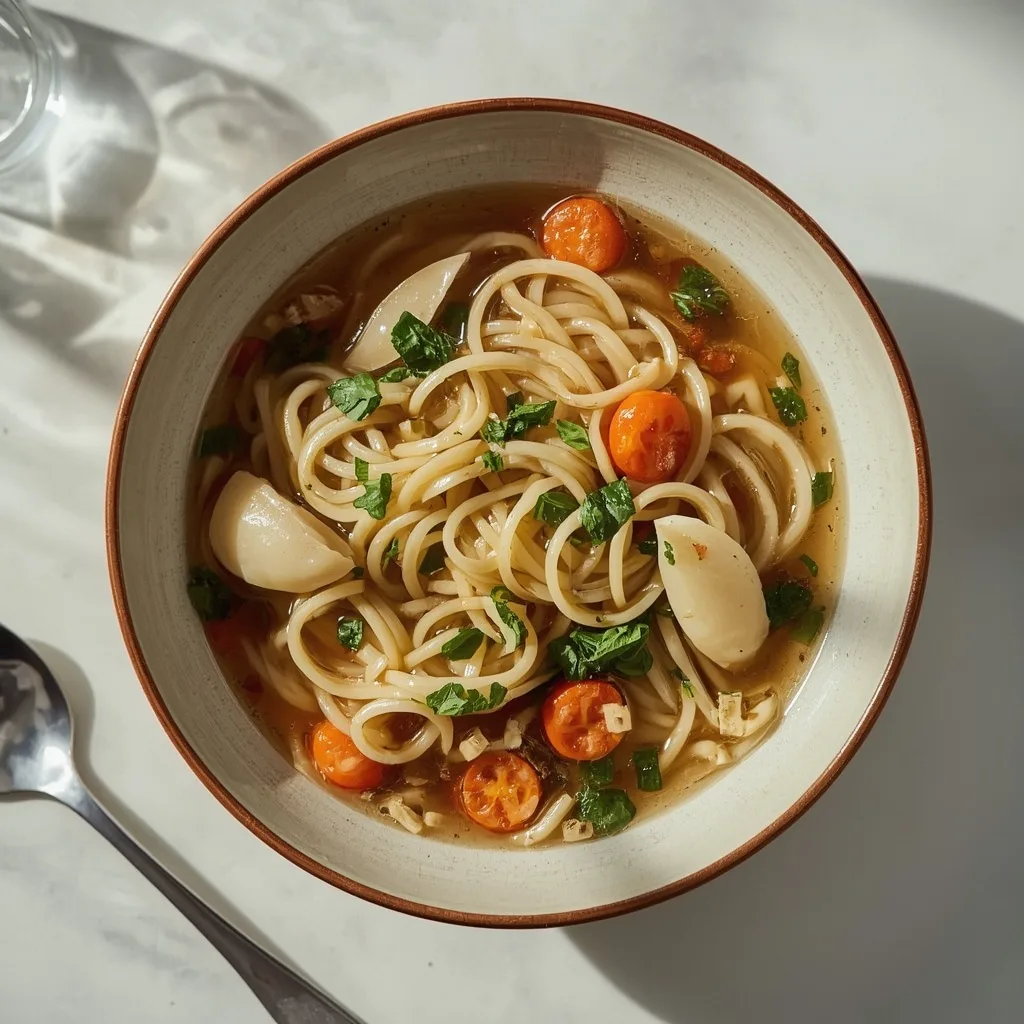
 Pioneer Woman Retro Noodle Soup brings back the cozy, unpretentious dinners of decades past, but with a fresh, vegetable-forward spin that feels right at home on any modern table. This is a stovetop soup built on tender egg noodles, a rainbow of diced vegetables, and a deeply savory, herb-flecked broth that comes together in about 40 minutes.
You can have this on the table in 40 minutes flat, and I would call it firmly beginner-friendly—the only slightly fiddly bit is cooking the noodles separately so they don’t turn to mush. It is the perfect answer for a busy weeknight when you want something warm, comforting, and genuinely good for you without a lot of fuss.
A Quick Glimpse at Pioneer Woman Retro Noodle Soup
In plain terms, this is a hearty vegetable soup where wide egg noodles swim in a tomato-kissed, herb-infused broth. The mirepoix base of onion, carrot, and celery gets a colorful boost from bell pepper, while smoked paprika adds a subtle, warming depth you do not always expect from a vegetable soup. The result is a bowl that feels nostalgic and familiar, yet surprisingly light on the palate—the kind of soup that satisfies without weighing you down.

Why This Recipe is Worth Trying
Here is what won me over after the very first pot.
- The flavor depth — Blooming the dried herbs and smoked paprika in hot oil releases their essential oils, giving the broth a complexity that tastes like it simmered for hours.
- It is genuinely light — With just 6 grams of fat per serving and no cream or meat, this soup feels wholesome and restorative rather than heavy.
- One pot does most of the work — The soup base comes together in a single Dutch oven, which means fewer dishes and less cleanup at the end of a long day.
- Kitchen flexibility — Every vegetable is easily swappable for whatever you have on hand, making this a brilliant clean-out-the-fridge kind of meal.
Essential Ingredients for This Recipe
Most of these are pantry staples, which is exactly why this soup is such a reliable weeknight hero. Here is what you need and why each ingredient matters.
Produce and Aromatics
- 1 medium yellow onion, finely diced — This forms the aromatic base of the soup. Yellow onion strikes the right balance between sweet and savory without overpowering the other vegetables.
- 2 medium carrots, sliced into 1/4-inch rounds — Carrots add a subtle sweetness that rounds out the savory broth. Slicing them into rounds rather than chunks helps them cook evenly in the short simmer time.
- 2 celery stalks, thinly sliced — Celery brings that classic, earthy backbone to the mirepoix. It softens nicely during the sauté and adds a gentle herbal note.
- 1 bell pepper, seeded and chopped — Any color works here. Red or yellow adds a touch of sweetness, while green brings a slightly more bitter, grassy flavor that some people prefer.
- 3 cloves garlic, minced — Garlic gets bloomed in the hot oil for just 30 seconds, which is enough to make it fragrant without letting it burn and turn bitter.
Broth, Herbs, and Seasonings
- 1 tablespoon olive oil — The cooking fat for the initial sauté. A good-quality extra virgin olive oil adds a subtle fruity note to the finished soup.
- 1 teaspoon dried thyme and 1 teaspoon dried oregano — These two herbs provide the retro, comforting flavor profile. Dried herbs work perfectly here because they need time to rehydrate and infuse the broth.
- 1/2 teaspoon smoked paprika — This is the quiet star of the show. It adds a gentle smokiness that makes the vegetable broth taste far more complex than it has any right to.
- 1 bay leaf — Bay leaf adds a subtle, almost floral depth that you will miss if you skip it. Always remember to fish it out before serving.
- 1 teaspoon kosher salt and 1/2 teaspoon black pepper — These are your baseline seasonings. You will likely need to add more at the end after tasting.
Main Components
- 6 cups low-sodium vegetable broth — Low-sodium is important here because you control the salt level yourself. A full-sodium broth can easily make the finished soup too salty.
- 1 can (14.5 oz) diced tomatoes, undrained — The tomatoes and their juices add brightness and a gentle acidity that balances the earthy vegetables. They also break down during the simmer, melding into the broth.
- 1 tablespoon soy sauce or tamari — This is the secret umami booster. It adds a savory depth that makes the broth taste richer without being detectable as soy sauce.
- 8 oz wide egg noodles — Wide noodles give this soup its retro soul. Cook them separately so they stay firm and chewy rather than absorbing all the broth and turning mushy.
- 1/4 cup fresh parsley, chopped — Stirred in right at the end, parsley provides a bright, fresh finish that lifts the entire bowl.
Useful Equipment
You probably already have everything you need, which is part of the appeal.
- A large Dutch oven or heavy-bottomed pot — This is the workhorse for the soup base. The heavy bottom distributes heat evenly and prevents scorching during the simmer.
- A separate medium pot — You need this for cooking the noodles in salted water. Keeping them separate is non-negotiable for the right texture.
- A wooden spoon — Perfect for stirring and scraping up the browned bits from the bottom of the pot during deglazing. It will not scratch your cookware.
- A sharp chef’s knife — You will be doing a fair amount of dicing and slicing. A sharp blade makes quick work of the vegetables and keeps your prep time closer to 15 minutes.
- A colander — Needed to drain the cooked noodles immediately after they are done. You do not want them sitting in hot water.
Directions to Make Pioneer Woman Retro Noodle Soup
The process is straightforward, but a few steps matter more than others. Here is the sequence that works.
- Sauté the aromatics — Heat the olive oil in your Dutch oven over medium heat until it shimmers. Add the onion, carrots, celery, and bell pepper, then cook for 5-7 minutes until they soften and the onions turn translucent. Do not let them brown; you want a gentle sauté, not caramelization.
- Bloom the spices — Add the minced garlic, thyme, oregano, and smoked paprika. Stir constantly for just 30 seconds until the garlic becomes fragrant and the spices coat the vegetables evenly.
- Build the broth — Pour in the vegetable broth, undrained diced tomatoes, soy sauce, and bay leaf. Stir everything together, scraping up any browned bits from the bottom. Bring the soup to a boil over high heat.
- Simmer gently — Reduce the heat to low to maintain a gentle simmer. Add the salt and pepper, then let it cook uncovered for 10 minutes. This is when the vegetables become tender and the herbs fully infuse the broth.
- Cook the noodles separately — While the soup simmers, bring a separate pot of salted water to a boil. Cook the egg noodles according to package directions until al dente, usually 6-8 minutes. Watch them carefully because they will cook a bit more once added to the soup.
- Drain immediately — Drain the noodles as soon as they are done. If you are holding them for more than a few minutes, toss them with a tiny drizzle of olive oil to prevent sticking.
- Season and finish — Remove the bay leaf and discard it. Taste the broth and adjust with more salt and pepper if needed. Add the noodles to the pot and stir gently, letting everything heat together for just 1-2 minutes.
- Stir in the parsley and serve — Fold in the fresh parsley right before serving. Ladle into warmed bowls and serve immediately with crusty bread or a green salad.
What I Got Wrong (And How I Fixed It)
Every good recipe comes with a few lessons learned. These are the mistakes I made so you do not have to.
- Overcooking the noodles in the soup — I added the noodles directly to the pot and let them simmer for 10 minutes with the broth. They absorbed everything and turned into a starchy paste. Now I always cook them separately and add them only at the very end.
- Skipping the spice-blooming step — The first time, I dumped all the dried herbs into the broth without sautéing them first. The soup lacked depth. Taking 30 extra seconds to bloom them in hot oil makes a world of difference.
- Browning the vegetables — I cranked the heat too high and ended up with caramelized bits. The instructions say sauté gently for a reason. Browning changes the flavor profile from fresh and light to heavier and roasted.
- Forgetting to taste before serving — I assumed the salt level was fine because the broth was low-sodium. It was bland. You must taste and adjust at the end; vegetables absorb seasoning differently every time.
- Using full-sodium broth — On a hurried night, I grabbed whatever broth I had. The soy sauce pushed the sodium over the edge. Stick with low-sodium broth so you control the final salt level.
Healthier Ways to Make Pioneer Woman Retro Noodle Soup
This soup is already pretty light, but you can tweak it further if you are watching specific numbers.
- Swap the egg noodles — Use whole wheat or chickpea pasta instead. You will get more fiber and protein per serving, and the nutty flavor pairs beautifully with the herbs.
- Add more greens — Stir in a generous handful of spinach or kale during the last few minutes of simmering. It wilts right down and boosts the vitamin content without changing the flavor much.
- Reduce the sodium — Skip the added salt entirely and rely on the soy sauce for seasoning. You can also use a salt-free herb blend in place of the kosher salt.
- Increase the vegetable ratio — Double the carrots, celery, and bell pepper while keeping the same amount of broth. You get more volume and fiber per bowl with barely any calorie change.
- Skip the oil — Use a splash of vegetable broth for sautéing instead of olive oil. This trims the fat to nearly zero, though you lose a little richness in the final flavor.
Ingredient Substitutions for Pioneer Woman Retro Noodle Soup
Flexibility is the beauty of a soup like this. Here are swaps that actually work.
- Vegetable broth → chicken broth — If you are not vegetarian, chicken broth adds a deeper, richer flavor. Just keep in mind the sodium content may be higher, so adjust your salt accordingly.
- Soy sauce → tamari or coconut aminos — Tamari keeps this gluten-free, while coconut aminos are a good option if you are avoiding soy entirely. Both provide that savory umami boost.
- Smoked paprika → regular paprika — You lose the smoky depth, but you can add a pinch of liquid smoke or chipotle powder to compensate. Regular paprika is milder and sweeter.
- Wide egg noodles → any pasta shape — Farfalle, rotini, or even orzo all work well. Just adjust the cooking time to match the package instructions for your chosen shape.
- Diced tomatoes → crushed tomatoes — This gives you a smoother, more uniform broth. You lose some texture but gain a silkier consistency that some people prefer.
Unexpected Ways to Enjoy This Pioneer Woman Retro Noodle Soup
This soup is lovely on its own, but a few creative pairings can elevate it beyond the usual bowl-and-spoon routine.
- Over a baked potato — Ladle the soup over a split baked potato for a heartier, almost stew-like meal. The potato soaks up the broth and adds a creamy counterpoint.
- With a grilled cheese sandwich — The classic pairing, but it really works. The crunchy, buttery bread and melted cheese are the perfect textural contrast to the light, brothy soup.
- As a pasta sauce — Simmer the soup longer (about 30 minutes total) so the noodles break down slightly, then toss it with extra cooked pasta for a hybrid soup-pasta dish.
- With croutons or oyster crackers — A crunchy topping adds texture and makes it feel more like a retro diner meal. Homemade garlic croutons are an especially good call.
- Stuffed into a hollowed bread bowl — Serving this in a crusty sourdough bowl transforms it into a festive, fun presentation for casual gatherings.
Best Tips for Pioneer Woman Retro Noodle Soup Success
These are the little details that separate a good bowl from a truly memorable one.
- Prep all vegetables before heating the oil — The sauté goes fast once the pan is hot. Having everything diced, sliced, and minced ahead of time keeps the process smooth and stress-free.
- Keep the heat at medium for the sauté — Medium heat with occasional stirring gives the vegetables time to soften without browning. Patience here pays off in a cleaner, fresher flavor.
- Do not skip the soy sauce — It sounds odd in a vegetable soup, but it adds umami you simply cannot get from salt alone. It is the difference between a good broth and a great one.
- Cook noodles to just under al dente — Since they will sit in the hot broth for a minute or two, starting slightly undercooked ensures they stay perfectly chewy when served.
- Taste the broth before adding noodles — Season the broth first, then add the noodles. Once the noodles are in, they absorb liquid and make it harder to judge the seasoning level.
- Serve in warmed bowls — Cold bowls will bring the soup temperature down quickly. A quick rinse with hot water (then drying) keeps everything steamy and comforting.
Tasty Twists on Pioneer Woman Retro Noodle Soup
Once you master the base, feel free to play. These variations keep the soup feeling fresh all season long.
- Spicy Southwest version — Add a diced jalapeño with the other vegetables, swap the smoked paprika for chipotle powder, and finish with a squeeze of lime juice.
- Italian-style — Add a teaspoon of fennel seeds and a Parmesan rind to the simmering broth. Use small pasta like ditalini instead of egg noodles and finish with fresh basil.
- Lemony herbed version — Stir in the zest of one lemon along with the parsley, and add a splash of lemon juice right before serving. It brightens everything up considerably.
- Creamy mushroom twist — Sauté 8 ounces of sliced mushrooms with the other vegetables and stir in a splash of coconut milk or heavy cream at the end for a richer, earthier bowl.
- Middle Eastern-inspired — Add a teaspoon of ground cumin and coriander with the other spices, then top each bowl with a drizzle of tahini and fresh mint.
Best Ways to Store Your Pioneer Woman Retro Noodle Soup
Proper storage keeps this soup tasting fresh for days. Here is how to handle leftovers.
- In the refrigerator — Store the soup and noodles together in an airtight container for up to 3 days. The noodles will absorb some liquid over time, so add a splash of broth or water when reheating.
- In the freezer (without noodles) — If you plan to freeze, do it before adding the noodles. Cool the broth completely, transfer to freezer-safe containers, and freeze for up to 3 months.
- Portioned for single servings — Freeze the broth in individual mason jars or silicone molds for quick, single-serving lunches. Thaw overnight in the fridge and reheat on the stovetop.
- With fresh noodles added later — When ready to use frozen broth, thaw it in the refrigerator, reheat on the stove, and cook fresh noodles to add. This keeps texture at its best.
Ways to Warm It Up Again
Leftovers reheat beautifully if you keep a few things in mind.
- On the stovetop — Reheat individual portions in a saucepan over medium-low heat, stirring occasionally, until bubbling and hot throughout. Best method for maintaining texture.
- In the microwave — Place in a microwave-safe bowl and heat for 2-3 minutes, stirring halfway through. Watch for splattering and cover with a paper towel if needed.
- With extra liquid — Since noodles absorb broth overnight, add a splash of vegetable broth or water before reheating to restore the consistency. This is essential for refrigerated leftovers.
Nutritional Breakdown (per serving)
Based on 1 serving = 1 portion out of 4 total. These numbers reflect the recipe as written.
- Calories — 290
- Protein — 10g
- Fat — 6g
- Carbohydrates — 49g
- Fiber — 6g
- Sugar — about 9g
- Sodium — around 720mg
Try These Recipes
Wrapping It Up
Pioneer Woman Retro Noodle Soup is one of those recipes you will find yourself turning to again and again, especially when you want something warm and nourishing without a long ingredient list. It is simple enough for a beginner, flexible enough for a seasoned cook, and genuinely satisfying in a way that never feels heavy. I hope you give this one a try soon—your weeknight dinners will thank you.
PrintPioneer Woman Retro Noodle Soup
This comforting, retro-inspired noodle soup features tender egg noodles and colorful vegetables in a deeply savory, herb-flecked broth. It’s a nostalgic, feel-good bowl that’s surprisingly light yet satisfying, perfect for a cozy weeknight dinner.
- Prep Time: 15
- Cook Time: 25
- Total Time: 40
- Yield: 4 1x
- Category: Main Course
- Method: Stovetop
- Cuisine: American
Ingredients
- 1 tablespoon olive oil
- 1 medium yellow onion, finely diced (about 1 cup)
- 2 medium carrots, peeled and sliced into 1/4-inch rounds (about 1 cup)
- 2 celery stalks, thinly sliced (about 1 cup)
- 1 bell pepper (any color), seeded and chopped (about 1 cup)
- 3 cloves garlic, minced
- 1 teaspoon dried thyme
- 1 teaspoon dried oregano
- 1/2 teaspoon smoked paprika
- 6 cups low-sodium vegetable broth
- 1 can (14.5 oz) diced tomatoes, undrained
- 1 tablespoon soy sauce (or tamari for gluten-free)
- 1 bay leaf
- 8 oz wide egg noodles
- 1/4 cup fresh parsley, chopped
- 1 teaspoon kosher salt, plus more to taste
- 1/2 teaspoon black pepper, freshly cracked, plus more to taste
Instructions
- Heat the olive oil in a large Dutch oven or heavy-bottomed pot over medium heat. When the oil shimmers, add the onion, carrots, celery, and bell pepper. Cook, stirring occasionally, for 5-7 minutes until the vegetables begin to soften and the onions turn translucent. Do not brown; you want a gentle sauté to build flavor without caramelizing.
- Add the minced garlic, dried thyme, dried oregano, and smoked paprika. Stir constantly for 30 seconds until the garlic is fragrant and the spices coat the vegetables. This blooming step releases their essential oils and deeply flavors the soup.
- Pour in the vegetable broth and the undrained diced tomatoes. Add the soy sauce and the bay leaf. Stir to combine, scraping up any browned bits from the bottom of the pot with a wooden spoon. Bring the soup to a boil over high heat. This deglazing captures all the flavor stuck to the pot.
- Once boiling, reduce the heat to low to maintain a gentle simmer. Season with the kosher salt and black pepper. Let the soup simmer uncovered for 10 minutes, allowing the vegetables to become tender and the broth to absorb the herbs. This step also lets the tomatoes break down and meld into the soup.
- While the soup simmers, bring a separate pot of salted water to a boil. Cook the egg noodles according to the package instructions until al dente, usually about 6-8 minutes. Be careful not to overcook them, as they will be added to the soup and cook slightly further during serving and reheating.
- Drain the noodles immediately after they are done and set them aside. You can toss them with a tiny drizzle of olive oil to prevent sticking if you want to hold them for more than a few minutes, though you will be adding them to the soup momentarily.
- Remove the bay leaf from the soup and discard it. Taste the broth and adjust the seasoning with more salt and pepper if needed. Now is the time to check for that perfect balance of savory and herbal flavors.
- Add the cooked noodles directly to the pot and stir gently to combine with the soup. Let everything heat together for 1-2 minutes, just until the noodles are hot. Do not simmer for a long time with noodles, as they will continue to absorb broth and become mushy.
- Stir in the fresh chopped parsley just before serving. This adds a bright, fresh finish that lifts the soup. Ladle into warmed bowls and serve immediately, perhaps with crusty bread or a simple green salad on the side.
Notes
Storage: Store the soup and noodles together in an airtight container in the refrigerator for up to 3 days. The noodles will absorb some liquid over time; add a splash of vegetable broth or water when reheating to restore consistency.
Freezing: If you plan to freeze, it is best to freeze the soup before adding the noodles. Cool the broth completely, transfer to freezer-safe containers, and freeze for up to 3 months. When ready to use, thaw overnight in the refrigerator, reheat the broth, and cook fresh noodles to add.
Reheating: Reheat individual portions in a saucepan over medium-low heat, stirring occasionally, until bubbling and hot throughout. Alternatively, microwave in a microwave-safe bowl for 2-3 minutes, stirring halfway. If the soup is too thick, thin it with extra broth or water.
Nutrition
- Calories: 290
- Sugar: 9g
- Sodium: 720mg
- Unsaturated Fat: 1g
- Carbohydrates: 49g
- Fiber: 6g
- Protein: 10g
- Cholesterol: 0mg
Keywords: retro noodle soup, pioneer woman soup, egg noodle soup, vegetable noodle soup, comfort food, easy soup recipe, stovetop soup, homemade soup, weeknight dinner, vegetarian soup