

 Anabelle
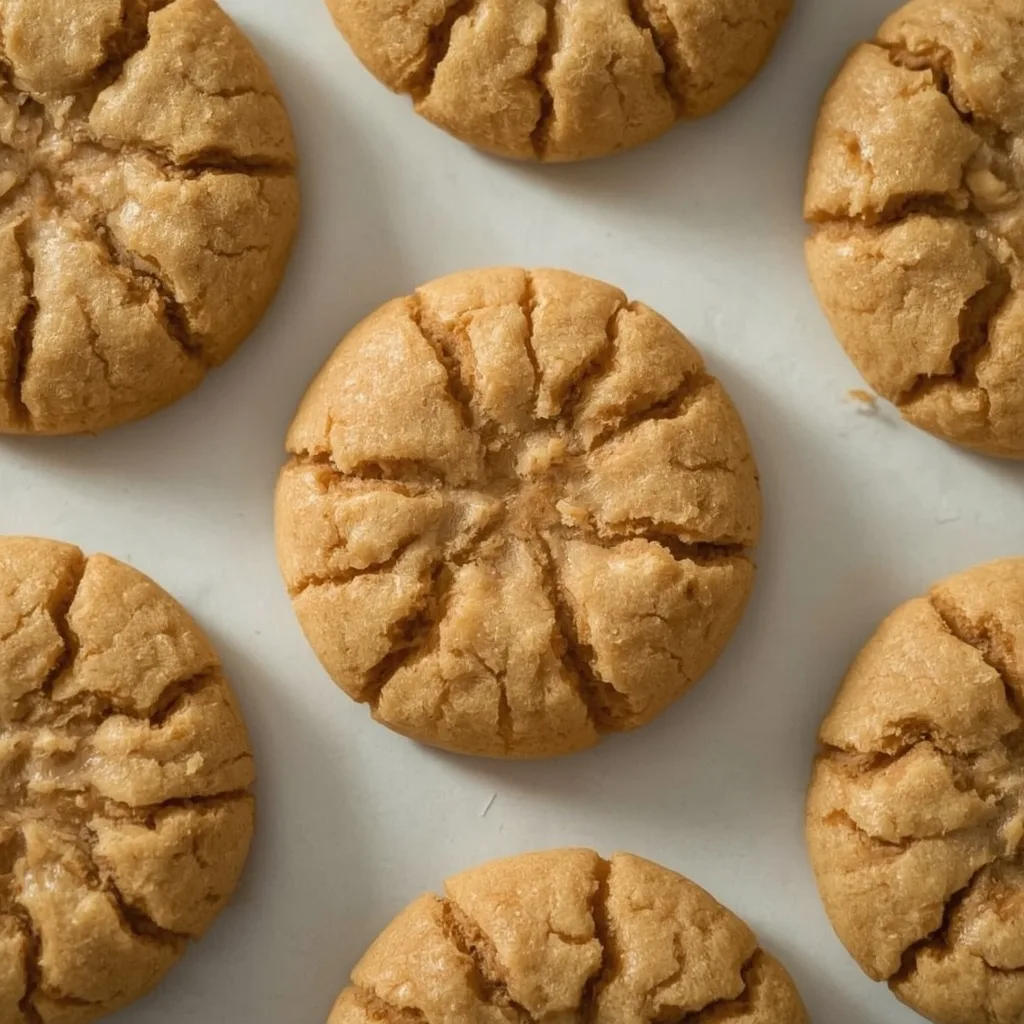
 Pioneer Woman Peanut Butter Cookies are exactly what you want from a classic cookie—soft, chewy, and packed with rich peanut butter flavor. Made with creamy peanut butter, brown sugar, and a simple crosshatch pattern, these come together in just 27 minutes start to finish.
This is a beginner-friendly recipe with one important step: properly creaming the butter and sugars for a light texture. It is perfect for an afternoon bake, lunchbox treats, or a quick dessert craving.
A Quick Glimpse at Pioneer Woman Peanut Butter Cookies
This is a stovetop-free, oven-baked cookie made with creamy peanut butter, butter, two types of sugar, and a small amount of flour. The dough comes together in one bowl, is rolled in sugar, and baked until the edges are just set and golden. The result is a tender interior with a slightly crisp, sparkly exterior. It is an American classic that works for any occasion.

Why This Recipe is Worth Trying
Here is what makes it stand out from other peanut butter cookie recipes.
- Simple ingredient list — You only need 9 basic pantry staples, none of which are hard to find.
- Classic texture — The combination of brown sugar and processed peanut butter gives you a soft, chewy center with lightly crisp edges every time.
- Quick total time — From start to finish, you are looking at 27 minutes, including prep and baking.
- No chilling required — Unless your dough feels sticky, you can shape and bake immediately.
Essential Ingredients for This Recipe
Each ingredient plays a specific role in texture and flavor. Here is what you need and why it matters.
Base Ingredients
- 1/2 cup creamy peanut butter (not natural, processed style preferred) — Processed peanut butter has stabilizers that keep the dough from separating, giving a consistent, soft cookie.
- 1/4 cup unsalted butter, softened to room temperature (65-68°F / 18-20°C) — Butter adds richness and helps create the tender crumb. Do not melt it.
- 1/4 cup packed light brown sugar — Brown sugar adds moisture and a subtle molasses flavor that deepens the peanut butter taste.
- 2 tablespoons granulated sugar, plus 1 tablespoon for rolling — Granulated sugar provides sweetness and, when used for rolling, gives the cookies a sparkly, slightly crisp exterior.
Binder and Leavening
- 1 large egg, at room temperature — The egg binds the dough together and adds moisture for a soft interior.
- 1/2 teaspoon pure vanilla extract — Vanilla enhances the overall flavor without overpowering the peanut butter.
- 1/2 cup plus 1 tablespoon all-purpose flour (spooned and leveled) — Just enough flour to hold the cookies together without making them dense or cakey.
- 1/4 teaspoon baking soda — This leavening agent helps the cookies spread just slightly and keeps them from being too flat.
- 1/8 teaspoon kosher salt — Salt balances the sweetness and intensifies the nutty flavor.
Useful Equipment
You probably already have most of these in your kitchen.
- Hand mixer or stand mixer — Creaming the butter and sugars properly requires some power; a whisk by hand will not get the same aeration.
- Large rimmed baking sheet — A rimmed sheet prevents any butter drips from burning on the oven floor.
- Parchment paper or silicone baking mat — Either option prevents sticking and promotes even browning without greasing the pan.
- Tablespoon-sized cookie scoop — A scoop ensures even-sized dough balls for consistent baking and makes the rolling step much faster.
- Wire cooling rack — Letting cookies cool completely on a rack prevents soggy bottoms and keeps them crisp.
Directions to Make Pioneer Woman Peanut Butter Cookies
The method is straightforward, but a few details make the difference between good and great cookies.
- Preheat and prep — Preheat your oven to 350°F (177°C). Line a large, rimmed baking sheet with parchment paper or a silicone baking mat — this prevents sticking and promotes even browning without needing to grease the pan.
- Mix dry ingredients — In a medium mixing bowl, whisk together the all-purpose flour, baking soda, and kosher salt until combined. Set this dry mixture aside — pre-mixing ensures the leavening is evenly distributed, which is critical for uniform rise and a tender crumb.
- Cream butter and sugars — In a separate, larger bowl, combine the softened unsalted butter, creamy peanut butter, packed light brown sugar, and 2 tablespoons of granulated sugar. Using a hand mixer on medium speed, beat the mixture for 2 to 3 minutes, until it becomes light, fluffy, and pale in color. Proper creaming aerates the dough, contributing to a soft, cake-like interior.
- Add egg and vanilla — Scrape down the sides and bottom of the bowl with a rubber spatula to ensure all ingredients are incorporated. Add the room-temperature egg and pure vanilla extract, then beat on medium speed for another 30 to 45 seconds until completely smooth and homogenous — the egg helps bind the dough and adds moisture.
- Combine wet and dry — Add the reserved dry flour mixture to the wet ingredients in two additions, mixing on low speed after each addition just until no streaks of flour remain. Overmixing at this stage develops gluten, which would make the cookies tough rather than tender.
- Shape and sugar coat — Scrape the bowl again and gather the dough into a cohesive ball. It will be slightly soft and pliable, not sticky. If the dough feels too sticky to handle, refrigerate it for 10 minutes — this firms the fat and prevents excessive spread during baking. Place the remaining 1 tablespoon of granulated sugar into a shallow bowl. Using a tablespoon-sized scoop (about 1.5 tablespoons of dough per cookie), roll the dough into smooth, 1-inch balls. Roll each ball in the sugar to coat evenly, which adds a sparkly, slightly crisp exterior.
- Create crosshatch pattern — Place the sugar-coated dough balls onto the prepared baking sheet, spacing them about 2 inches apart to allow for spreading. Using a fork, gently press the tines into the top of each ball twice at right angles to create a classic crosshatch pattern — dip the fork in sugar or water between presses to prevent sticking.
- Bake and cool — Bake the cookies in the preheated oven on the center rack for 10 to 12 minutes, rotating the baking sheet halfway through for even browning. The cookies are done when the edges are set and golden brown, but the centers still look slightly soft and underdone — they will continue to set on the hot pan. Remove the baking sheet from the oven and let the cookies cool on the pan for exactly 5 minutes. This resting time allows the internal structure to finish setting without overbaking on the hot surface. After 5 minutes, transfer the cookies to a wire rack to cool completely. If you prefer slightly flatter, chewier cookies, gently press down on each warm cookie with the back of a spatula immediately after removing from the oven. For thicker, softer cookies, skip this step and allow them to cool undisturbed.
What I Got Wrong (And How I Fixed It)
Here is what tripped me up the first few times and what you can do to avoid the same issues.
- Overmixing the dough — Mixing too long after adding the flour developed gluten, making the cookies tough and dense. Mix only until no streaks remain.
- Skipping the room-temperature egg — A cold egg caused the butter to seize up, creating a stiff, lumpy dough. Let the egg sit out for 15 to 20 minutes before starting.
- Using natural peanut butter — Natural peanut butter separates and has less stabilizer, which led to cookies that spread too much and turned out greasy. Stick with processed peanut butter like Jif or Skippy.
- Not spacing the dough balls — I placed the cookies too close together, and they merged into one big blob during baking. Leave at least 2 inches between each ball.
- Rushing the cooling step — Moving the cookies too early caused them to fall apart because the structure had not set. Wait the full 5 minutes on the pan before transferring.
Healthier Ways to Make Pioneer Woman Peanut Butter Cookies
If you want to lighten things up without sacrificing too much flavor, here are a few swaps that actually work.
- Reduce the sugar slightly — Cut the granulated sugar to 1 tablespoon (plus keep the 1 tablespoon for rolling). The cookies will be less sweet but still hold together.
- Swap half the butter for applesauce — Use 2 tablespoons unsalted butter and 2 tablespoons unsweetened applesauce. This cuts fat and adds moisture, though the cookies will be a bit softer.
- Use a whole wheat pastry flour — Replace the all-purpose flour with whole wheat pastry flour for more fiber. The texture stays tender because pastry flour has lower protein content.
- Reduce the portion size — Use a teaspoon scoop instead of a tablespoon scoop to make smaller cookies. Each mini cookie has roughly half the calories, and you still get the full flavor.
Ingredient Substitutions for Pioneer Woman Peanut Butter Cookies
If you are missing something or need an alternative, these swaps work well.
- Butter → margarine — Use a stick-style margarine (not the spreadable tub kind) in the same amount. The texture will be slightly softer but still good.
- Light brown sugar → dark brown sugar — Dark brown sugar adds a deeper molasses flavor and a bit more moisture. No adjustment needed.
- Granulated sugar → coconut sugar — Coconut sugar adds a mild caramel note and lowers the glycemic impact. The cookies will be darker in color but taste great.
- All-purpose flour → gluten-free 1-to-1 baking flour — Use a blend that contains xanthan gum or guar gum for binding. The cookies may spread a little more, so chill the dough for 15 minutes before baking.
- Vanilla extract → almond extract — Almond extract complements peanut butter beautifully. Use only 1/4 teaspoon since it is stronger than vanilla.
- Kosher salt → sea salt — Use the same amount. The main difference is texture, not salinity.
Unexpected Ways to Enjoy This Pioneer Woman Peanut Butter Cookies
These cookies are great on their own, but here are some fun ways to switch things up.
- Sandwich them with chocolate ganache — Spread a thin layer of ganache (melted chocolate chips with a splash of cream) between two cookies for an instant dessert sandwich.
- Crush them into a milkshake — Blend two cookies with vanilla ice cream and a splash of milk for a quick peanut butter milkshake.
- Serve them warm with ice cream — Warm a cookie in the microwave for 10 seconds and top with a scoop of vanilla bean ice cream and a drizzle of hot fudge.
- Use them as a pie crust — Crush 8 to 10 cookies with 2 tablespoons melted butter and press into a pie dish. Bake at 350°F for 8 minutes, then fill with pudding or cream cheese filling.
- Crumble over yogurt — Break a cookie into small pieces and sprinkle over plain Greek yogurt with fresh berries for a quick breakfast or snack.
- Dip in melted chocolate — Dip one half of each cooled cookie in melted dark or milk chocolate, then set on parchment to harden. It adds a professional touch and extra richness.
Best Tips for Pioneer Woman Peanut Butter Cookies Success
These are the small details that make a real difference in the final cookie.
- Use a cookie scoop for uniform size — Evenly sized dough balls bake at the same rate, so you avoid some cookies being overdone while others are underdone.
- Dip the fork in sugar before pressing — Dipping the fork tines in the remaining granulated sugar (or water) prevents sticking and keeps the crosshatch pattern clean.
- Rotate the baking sheet halfway through — Ovens often have hot spots, so turning the sheet at minute 5 or 6 ensures all cookies brown evenly.
- Let the cookies cool on the pan for the full 5 minutes — The cookies are still setting internally during this time. Moving them too soon causes them to break apart.
- Do not overbake the centers — The cookies should look slightly soft and underdone in the center when you pull them out. They will finish cooking on the hot pan.
- Chill the dough if it feels sticky — If your dough is too soft to roll into neat balls, refrigerate it for 10 minutes. This firms the fat and prevents excessive spreading.
Tasty Twists on Pioneer Woman Peanut Butter Cookies
Once you have mastered the base recipe, try one of these variations for a new flavor profile.
- Chocolate chip peanut butter cookies — Fold in 1/3 cup mini chocolate chips after mixing the dry ingredients into the wet. The chocolate chips stay scattered throughout each cookie.
- Honey roasted peanut butter cookies — Substitute the creamy peanut butter with honey roasted peanut butter. It adds a subtle sweetness and a bit of crunch from the ground peanuts.
- Peanut butter and jelly thumbprints — Instead of the crosshatch, press a small well into the center of each dough ball before baking. Fill the well with 1/2 teaspoon of your favorite jam after baking.
- Salted caramel drizzle — Drizzle cooled cookies with caramel sauce and a pinch of flaky sea salt. It turns a simple cookie into a decadent dessert.
- Peanut butter cookie ice cream sandwiches — Bake the cookies slightly larger (use a 2-tablespoon scoop) and flatten them a bit more. Once cooled, sandwich a scoop of softened vanilla or chocolate ice cream between two cookies.
- Coconut peanut butter cookies — Fold in 1/4 cup sweetened shredded coconut with the dry ingredients. The coconut adds texture and a slight tropical note.
Best Ways to Store Your Pioneer Woman Peanut Butter Cookies
Proper storage keeps these cookies soft and fresh for days.
- Room temperature airtight container — Store cooled cookies in an airtight container at room temperature for up to 5 days. Add a slice of plain bread to maintain softness — replace the bread every other day.
- Freeze unbaked dough balls — Place unbaked dough balls on a tray, freeze until solid (about 1 hour), then transfer to a zip-top bag for up to 3 months. Bake directly from frozen, adding 2 to 3 minutes to the bake time.
- Freeze baked cookies — Cool the cookies completely, then layer them between sheets of parchment in a freezer-safe container. Freeze for up to 2 months. Thaw at room temperature for 15 minutes before serving.
- Refrigerate for longer storage — If you need to keep them for 5 to 7 days, store in the refrigerator. Bring refrigerated dough to room temperature (15 minutes) before shaping and baking for best results.
Ways to Warm It Up Again
Cookies taste best warm, so here is how to reheat them without drying them out.
- Microwave — Place one cookie on a microwave-safe plate and heat for 8 to 12 seconds on high. It will be warm and soft, but the edges will lose some crispness.
- Oven — Preheat the oven to 300°F (150°C). Place cookies on a baking sheet and warm for 3 to 5 minutes. This keeps the edges crisp while warming the center.
- Air fryer — Set the air fryer to 300°F (150°C) and warm the cookies for 2 to 3 minutes. Watch closely to prevent overbrowning.
Nutritional Breakdown (per serving)
Based on 1 serving = 1 portion out of 4 total.
- Calories: 312
- Protein: 9g
- Fat: 18g
- Carbohydrates: 33g
- Fiber: about 2g
- Sugar: around 19g
- Sodium: 236mg
Try These Recipes
Wrapping It Up
Pioneer Woman Peanut Butter Cookies deliver everything you want from a classic cookie—soft, chewy, and deeply nutty with a perfectly crinkled top. The method is straightforward, the ingredients are simple, and the result is consistently good. Give them a try the next time you want a quick, satisfying treat.
PrintPioneer Woman Peanut Butter Cookies
These classic peanut butter cookies are soft, chewy, and deeply nutty with a perfectly crinkled top and signature fork crosshatch. The balance of creamy peanut butter and brown sugar creates a tender interior with lightly crisp edges, making them an irresistible anytime treat.
- Prep Time: 15
- Cook Time: 12
- Total Time: 27
- Yield: 4 1x
- Category: Dessert
- Method: Baking
- Cuisine: American
Ingredients
- 1/2 cup creamy peanut butter (not natural, processed style preferred)
- 1/4 cup unsalted butter, softened to room temperature (65-68°F / 18-20°C)
- 1/4 cup packed light brown sugar
- 2 tablespoons granulated sugar, plus 1 tablespoon for rolling
- 1 large egg, at room temperature
- 1/2 teaspoon pure vanilla extract
- 1/2 cup plus 1 tablespoon all-purpose flour (spooned and leveled)
- 1/4 teaspoon baking soda
- 1/8 teaspoon kosher salt
Instructions
- Preheat your oven to 350°F (177°C). Line a large, rimmed baking sheet with parchment paper or a silicone baking mat — this prevents sticking and promotes even browning without needing to grease the pan.
- In a medium mixing bowl, whisk together the all-purpose flour, baking soda, and kosher salt until combined. Set this dry mixture aside — pre-mixing ensures the leavening is evenly distributed, which is critical for uniform rise and a tender crumb.
- In a separate, larger bowl, combine the softened unsalted butter, creamy peanut butter, packed light brown sugar, and 2 tablespoons of granulated sugar. Using a hand mixer on medium speed, beat the mixture for 2 to 3 minutes, until it becomes light, fluffy, and pale in color. Proper creaming aerates the dough, contributing to a soft, cake-like interior.
- Scrape down the sides and bottom of the bowl with a rubber spatula to ensure all ingredients are incorporated. Add the room-temperature egg and pure vanilla extract, then beat on medium speed for another 30 to 45 seconds until completely smooth and homogenous — the egg helps bind the dough and adds moisture.
- Add the reserved dry flour mixture to the wet ingredients in two additions, mixing on low speed after each addition just until no streaks of flour remain. Overmixing at this stage develops gluten, which would make the cookies tough rather than tender.
- Scrape the bowl again and gather the dough into a cohesive ball. It will be slightly soft and pliable, not sticky. If the dough feels too sticky to handle, refrigerate it for 10 minutes — this firms the fat and prevents excessive spread during baking.
- Place the remaining 1 tablespoon of granulated sugar into a shallow bowl. Using a tablespoon-sized scoop (about 1.5 tablespoons of dough per cookie), roll the dough into smooth, 1-inch balls. Roll each ball in the sugar to coat evenly, which adds a sparkly, slightly crisp exterior.
- Place the sugar-coated dough balls onto the prepared baking sheet, spacing them about 2 inches apart to allow for spreading. Using a fork, gently press the tines into the top of each ball twice at right angles to create a classic crosshatch pattern — dip the fork in sugar or water between presses to prevent sticking.
- Bake the cookies in the preheated oven on the center rack for 10 to 12 minutes, rotating the baking sheet halfway through for even browning. The cookies are done when the edges are set and golden brown, but the centers still look slightly soft and underdone — they will continue to set on the hot pan.
- Remove the baking sheet from the oven and let the cookies cool on the pan for exactly 5 minutes. This resting time allows the internal structure to finish setting without overbaking on the hot surface. After 5 minutes, transfer the cookies to a wire rack to cool completely.
- If you prefer slightly flatter, chewier cookies, gently press down on each warm cookie with the back of a spatula immediately after removing from the oven. For thicker, softer cookies, skip this step and allow them to cool undisturbed.
- Once completely cool, store the cookies in an airtight container at room temperature for up to 5 days. For optimal texture, place a slice of plain bread in the container to maintain moisture — replace the bread slice every other day.
Notes
Store cooled cookies in an airtight container at room temperature for up to 5 days; add a slice of bread to maintain softness. To freeze, place unbaked dough balls on a tray, freeze until solid (about 1 hour), then transfer to a zip-top bag for up to 3 months — bake directly from frozen, adding 2 to 3 minutes to the bake time. For best results, bring refrigerated dough to room temperature (15 minutes) before shaping and baking.
Nutrition
- Calories: 312
- Sugar: 19g
- Sodium: 236mg
- Unsaturated Fat: 7g
- Carbohydrates: 33g
- Fiber: 2g
- Protein: 9g
- Cholesterol: 74mg
Keywords: peanut butter cookies, pioneer woman cookies, soft peanut butter cookies, classic cookie recipe, easy dessert, baking cookies, peanut butter dessert, American cookies, crosshatch cookies, homemade cookies