
 Anabelle
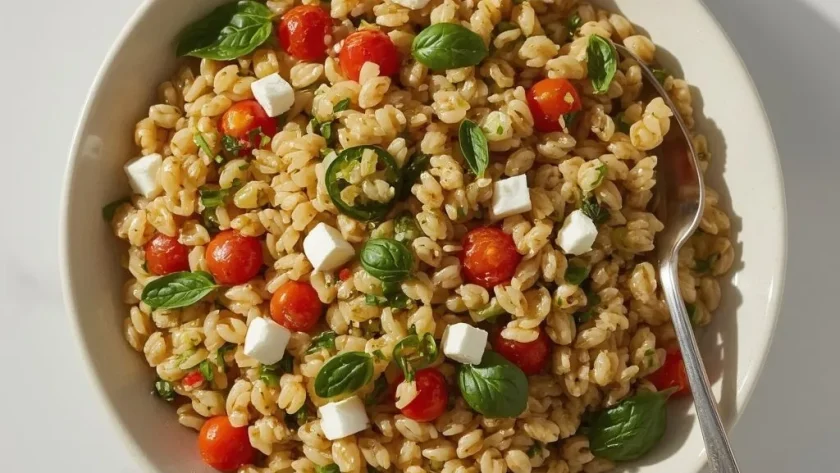
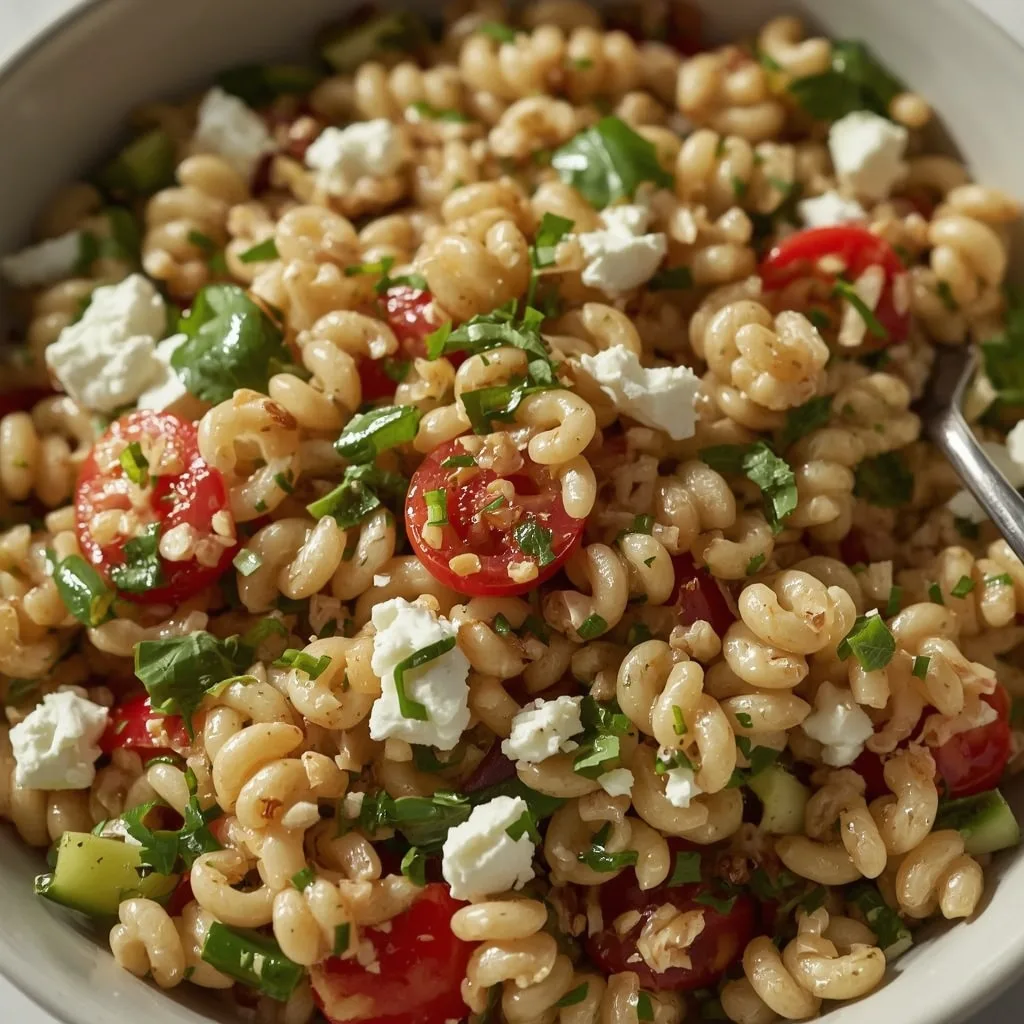
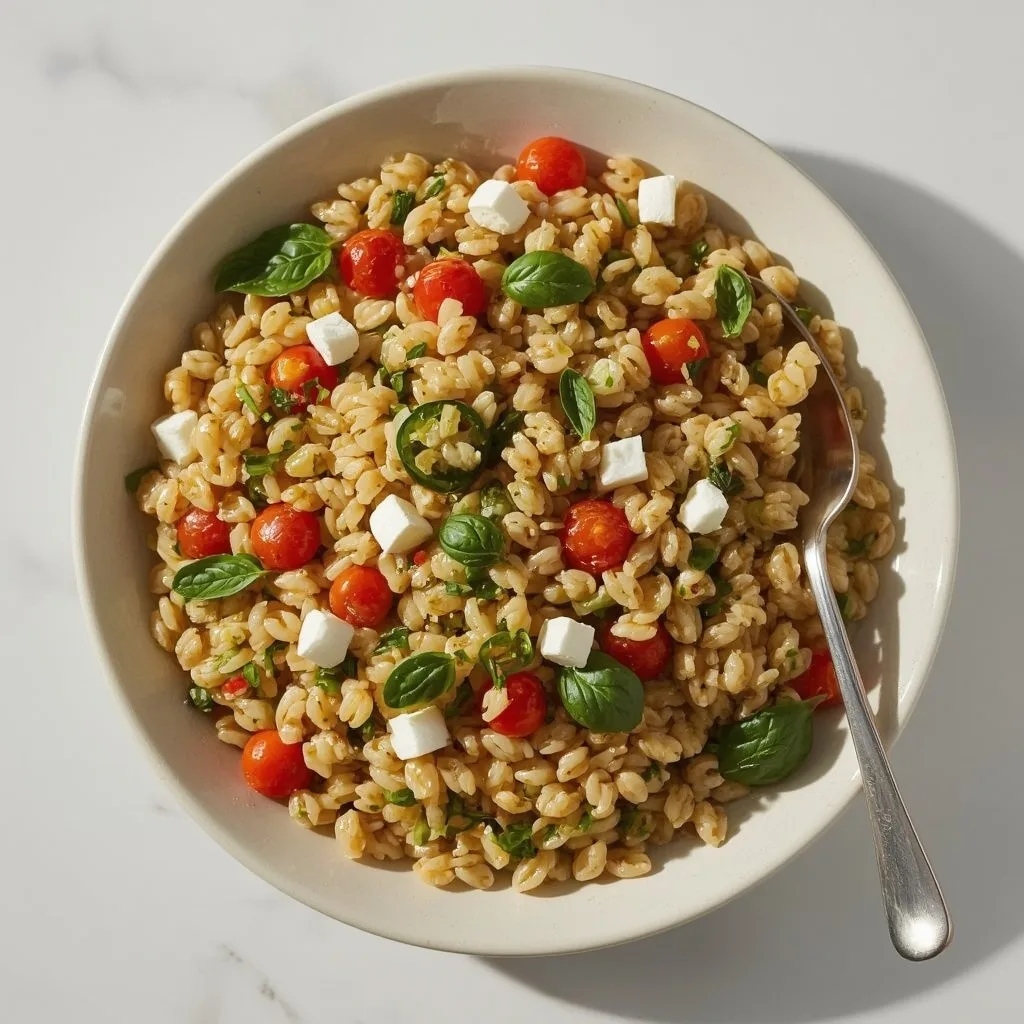
 Pioneer Woman Orzo Salad is my go-to when I need something bright, fresh, and satisfying without turning on the oven. This Mediterranean-style pasta salad brings together al dente orzo, crisp cucumbers, juicy cherry tomatoes, briny Kalamata olives, and creamy feta, all tied together with a zesty lemon-herb vinaigrette.
The whole thing comes together in about 35 minutes, and I’d rate it firmly at beginner level. It’s perfect for weekday lunches, weekend picnics, or as a side dish that actually steals the show. The only slightly tricky part is getting the pasta-to-dressing balance right, but I’ll walk you through that step by step.
A Quick Glimpse at Pioneer Woman Orzo Salad
This is a cold pasta salad built on four key elements: toothsome orzo, crunchy vegetables, salty feta, and a punchy lemon dressing. The pasta cooks on the stovetop in about 10 minutes, then gets rinsed under cold water to stop the cooking process. From there, everything gets tossed together in one bowl. The texture is what wins people over — tender pasta against crisp cucumber, with creamy feta and toasted pine nuts adding layers of richness. It’s bright, tangy, and downright refreshing on a warm day.
Why This Recipe is Worth Trying
Here is what convinced me this salad deserves a regular spot in your rotation.
- Simple ingredients — Everything on the list is available at a standard grocery store, and most are probably already in your kitchen.
- No heat required — Beyond boiling the pasta, there’s zero cooking involved. No oven, no grill, no fuss.
- Make-ahead friendly — The flavors actually get better after sitting for a bit, which makes it ideal for meal prep or potlucks.
- Versatile by nature — It works as a light main course for two or a side dish for a crowd, depending on how you portion it.
- Balanced flavors — The tangy dressing cuts through the creamy feta while the olives add a salty punch that keeps every bite interesting.
Essential Ingredients for This Recipe
You only need 16 ingredients, and each one plays a specific role in the final result.
Pasta Base
- 1 cup (6 oz / 170 g) dry orzo pasta — This rice-shaped pasta is the foundation here. Look for a good brand that holds its shape after cooking, and be careful not to overcook it into mush.
Fresh Vegetables
- 1/2 cup (60 g) English cucumber, finely diced — English cucumbers have thin skin and fewer seeds, so they stay crisp without getting waterlogged. You can swap in a regular cucumber if you peel it first.
- 1/2 cup (90 g) cherry tomatoes, halved — These bring sweetness and a burst of juice. Halving them ensures every bite gets a piece without the tomatoes rolling off your fork.
- 1/4 cup (40 g) red onion, finely diced — Red onion adds sharpness and a beautiful color contrast. Finely dicing keeps the onion from overpowering everything else.
- 1/4 cup (30 g) Kalamata olives, pitted and sliced — These give the salad its briny Mediterranean character. Slicing them ensures the flavor distributes evenly instead of hitting you all at once.
Cheese and Nuts
- 1/4 cup (30 g) crumbled feta cheese — Feta brings creaminess and salt. Use a block of feta and crumble it yourself for better texture than pre-crumbled versions.
- 2 tbsp (14 g) pine nuts, toasted — Toasted pine nuts add a buttery crunch that elevates the whole dish. Watch them closely while toasting because they burn fast.
Dressing
- 2 tbsp (30 ml) extra virgin olive oil — Use a good quality olive oil here since it’s the backbone of the dressing and you’ll taste it.
- 2 tbsp (30 ml) fresh lemon juice — That’s about one lemon. Fresh juice makes a big difference over bottled — the brightness just hits differently.
- 1 tsp lemon zest — Zest adds aromatic oils that give the dressing a more complex citrus flavor than juice alone.
- 1 small garlic clove, minced — Raw garlic gives the vinaigrette a pleasant bite. Mince it finely so you don’t bite into a chunk.
- 1 tsp Dijon mustard — This acts as an emulsifier that helps the oil and lemon juice stay combined instead of separating.
- 1/2 tsp dried oregano — Oregano brings that classic Mediterranean herb note that ties everything together.
- 1/4 tsp kosher salt, plus more for pasta water — Salt seasons the dressing and the pasta water separately. Don’t skip salting the water — that’s where the pasta gets its flavor.
- 1/8 tsp black pepper — A small amount of pepper adds gentle warmth without stealing the spotlight.
- 1 tbsp (15 ml) water (for the dressing, if needed) — This thins the dressing if it feels too thick, which is most likely to happen if your lemon was small.
Useful Equipment
You probably have most of what you need already. Here’s the rundown.
- Large pot — You need enough room for the orzo to boil without sticking together. A 4-quart pot works perfectly.
- Colander — For draining the pasta and rinsing it under cold water to stop the cooking process.
- Small mixing bowl — Everything for the dressing gets whisked together in one. Any small bowl you own will do.
- Large mixing bowl — This is where the salad comes together. Use one big enough that you can toss without ingredients spilling over.
- Sharp knife and cutting board — You’ll be doing fine dice on cucumber and red onion, so a sharp blade makes the job faster and safer.
Directions to Make Pioneer Woman Orzo Salad
Follow these steps in order and you’ll have a finished salad that looks like it took real effort.
- Boil the pasta — Bring a large pot of salted water to a rolling boil over high heat. Add the orzo and cook according to package instructions until al dente, typically 8-10 minutes. Stir occasionally to prevent sticking.
- Whisk the dressing — While the orzo cooks, combine the olive oil, lemon juice, lemon zest, minced garlic, Dijon mustard, dried oregano, kosher salt, and black pepper in a small bowl. If the dressing seems too thick, whisk in the water to thin it slightly. Set aside.
- Drain and rinse — Drain the cooked orzo in a colander and rinse briefly with cold water to stop the cooking process. Shake well to remove excess water and let it drain completely for a few minutes. This step keeps the pasta from getting sticky.
- Combine the base — In a large mixing bowl, combine the drained orzo, cucumber, cherry tomatoes, red onion, and Kalamata olives. Toss gently with a fork to distribute the ingredients evenly.
- Add the dressing — Pour the dressing over the salad and toss well to coat every piece of orzo and vegetable. Taste and adjust seasoning with additional salt and pepper if needed, but remember the feta will add saltiness.
- Fold in the finishing touches — Fold in the crumbled feta and toasted pine nuts. Reserve a few of each for garnish if you want a prettier presentation.
- Let it rest — Let the salad sit at room temperature for 10 minutes to allow the flavors to meld. Serve at room temperature or chilled.
- Final stir and serve — Just before serving, give the salad a final stir and garnish with extra feta and pine nuts if you reserved them. Enjoy as a main dish or side.
What I Got Wrong (And How I Fixed It)
These are the pitfalls I hit the first few times so you don’t have to.
- Overcooked orzo — I left it boiling while I chopped vegetables and ended up with mushy pasta. Set a timer for the low end of the cooking range and check it early.
- Skipping the cold rinse — The first batch stayed warm and kept cooking after draining, which threw off the whole texture. That cold water rinse is non-negotiable.
- Burning the pine nuts — I walked away for thirty seconds and they went from golden to black. Toast them in a dry skillet over medium heat and stay right there until they’re lightly browned.
- Adding all the dressing at once — The salad got overly dressed and soupy. Start with about three-quarters, toss, taste, and add more only if needed.
- Adding feta too early — It broke apart and made everything look milky. Fold it in at the end so it stays in distinct creamy pieces.
- Serving straight out of the fridge — The flavors were muted and the olive oil thickened slightly. Letting it sit at room temperature for 10 minutes made a huge difference.
Healthier Ways to Make Pioneer Woman Orzo Salad
This recipe is already reasonably balanced, but here are some easy tweaks if you want to lighten it up further.
- Whole wheat orzo — Swap regular orzo for whole wheat to add fiber and a nutty flavor. The cooking time might be slightly longer, so check the package.
- Increase the vegetables — Add extra cucumber and tomatoes to boost the nutritional content and make each serving go further without adding many calories.
- Lighten the cheese — Use reduced-fat feta or cut the amount in half. You’ll still get the salty tang with less saturated fat.
- Amplify the herbs — Add chopped fresh parsley, dill, or mint to enhance the fresh flavor without adding salt or oil. It brightens everything without dressing changes.
Ingredient Substitutions for Pioneer Woman Orzo Salad
Don’t have something on hand? These swaps will save you a grocery run.
- Orzo → any small pasta — Ditalini, stelline, or even small shells work great here. Cook them to al dente and follow the exact same steps.
- Feta → goat cheese — Goat cheese is creamier and a bit more tangy. Crumble it gently and fold it in at the end like you would the feta.
- Kalamata olives → black olives — Regular black olives are milder and less briny. You’ll lose some Mediterranean character but gain a friendlier flavor profile.
- Pine nuts → sunflower seeds — Toasted sunflower seeds provide a similar crunch at a fraction of the cost. Toast them briefly in a dry skillet for extra depth.
- Red onion → shallot — Shallots are sweeter and milder, which works nicely if you’re sensitive to onion bite. Use the same amount, finely diced.
- Dried oregano → Italian seasoning — A blend works if that’s what you have. Use slightly less since the blend includes other herbs.
Unexpected Ways to Enjoy This Pioneer Woman Orzo Salad
Beyond the obvious bowl-and-fork approach, this salad has some creative uses worth trying.
- Stuffed tomatoes — Hollow out large beefsteak tomatoes and fill them with the salad for a gorgeous summer appetizer or light lunch.
- Gyro-style wrap — Pile a generous scoop into a warm pita with sliced grilled chicken and a drizzle of tzatziki for a next-level sandwich.
- Grain bowl base — Spread it over a bed of baby spinach or arugula and top with grilled shrimp or salmon for a bigger meal.
- Party skewers — Thread orzo salad onto small skewers if the texture allows, or serve it on endive leaves as elegant little bites.
- Frittata filling — Fold leftovers into beaten eggs and bake for a Mediterranean-inspired frittata that works for breakfast or brunch.
Best Tips for Pioneer Woman Orzo Salad Success
These small details make the difference between good and great.
- Salt the pasta water generously — The orzo absorbs seasoning as it cooks, so water that tastes like the sea gives you perfectly seasoned pasta throughout.
- Dice everything to a similar size — Matching the cucumber, onion, and tomato pieces to the size of cooked orzo ensures every forkful has a bit of everything.
- Toast the pine nuts the moment the pasta starts boiling — They’ll be cool and ready to add by the time everything else is tossed, which saves you precious minutes.
- Let the salad rest before serving — Those 10 minutes at room temperature let the flavors meld and the pasta absorb some dressing, which makes the final result taste more cohesive.
- Reserve some garnishes — A final sprinkle of fresh feta and pine nuts on top keeps those ingredients visually distinct instead of getting lost in the mix.
- Adjust acid after chilling — If you make this ahead and serve it cold, taste it first. Cold dulls flavors, so you might need a quick squeeze of lemon to wake it back up.
Tasty Twists on Pioneer Woman Orzo Salad
Once you’ve mastered the base recipe, these variations keep things interesting.
- Grilled chicken version — Add diced grilled chicken breast for extra protein and turn this into a heartier main course. Everything else stays the same.
- Pesto-forward take — Swap the lemon vinaigrette for a couple of tablespoons of basil pesto mixed with olive oil. You’ll get a completely different but equally delicious flavor profile.
- Roasted vegetable variation — Toss in roasted zucchini, bell pepper, or eggplant instead of the raw vegetables. This version works better in cooler months.
- Avocado addition — Fold in diced ripe avocado just before serving for extra creaminess. Don’t add it early or it will brown.
- Spicy kick — Add a pinch of red pepper flakes or a finely minced serrano pepper to the dressing for heat that builds pleasantly with each bite.
Best Ways to Store Your Pioneer Woman Orzo Salad
Leftovers keep well, but only if you store them correctly.
- Airtight container — Transfer the salad to an airtight container and refrigerate for up to 3 days. The salad is best enjoyed within the first day.
- Separate dressing — If you’re planning leftovers from the start, keep extra dressing in a small separate container and add it right before serving to keep everything fresh.
- Garnish separately — Store any reserved feta and pine nuts in small separate containers so they stay crisp and distinct rather than softening in the salad.
- Brief room temperature rest — Take the salad out of the fridge 10-15 minutes before eating. This lets the olive oil loosen up and the flavors open.
- Freezing not recommended — The vegetables will become mushy and the pasta will lose its texture. This one is strictly a refrigerator situation.
Ways to Warm It Up Again
The recipe notes say this salad is meant to be served cold or at room temperature, but if you prefer it warm, here’s how to handle reheating.
- Microwave — Heat individual portions in 30-second intervals until just warmed through. Keep the power at medium so you don’t overcook the vegetables.
- Stovetop — Warm gently in a skillet over low heat, stirring frequently, until heated through. Add a splash of olive oil to prevent sticking and bring back some moisture.
- Room temperature approach — Take the salad out of the fridge and let it sit on the counter for about 30 minutes. You get the warmed-up flavor without the vegetables turning soft.
Nutritional Breakdown (per serving)
Based on 1 serving = 1 portion out of 4 total. This is a rough estimate for the salad as written, without additional garnish.
- Calories — 334
- Protein — 9g
- Fat — 15g
- Saturated Fat — close to 4g
- Carbohydrates — 41g
- Fiber — 3g
- Sugar — 4g
- Sodium — 489mg
- Cholesterol — around 10mg
Try These Recipes
Wrapping It Up
I keep coming back to this Pioneer Woman Orzo Salad because it delivers bright flavor with minimal effort and zero fuss. It’s forgiving, flexible, and always gets eaten — even by people who claim they don’t like cold pasta. If you’re looking for a go-to for a quick dinner or a dish to bring along on your next outdoor gathering, give this one a try. You’ll see why it earned a permanent place in my summer rotation.
PrintPioneer Woman Orzo Salad
This vibrant orzo salad is a celebration of fresh, summery ingredients tossed with a zesty lemon-herb vinaigrette. Al dente pasta is combined with crisp vegetables, creamy feta, and toasted pine nuts for a delightful mix of textures and bright flavors. It is perfect as a light main course or a crowd-pleasing side dish.
- Prep Time: 20
- Cook Time: 15
- Total Time: 35
- Yield: 4 1x
- Category: Main Course
- Method: Stovetop
- Cuisine: Mediterranean
Ingredients
- 1 cup (6 oz / 170 g) dry orzo pasta
- 1/2 cup (60 g) English cucumber, finely diced
- 1/2 cup (90 g) cherry tomatoes, halved
- 1/4 cup (40 g) red onion, finely diced
- 1/4 cup (30 g) Kalamata olives, pitted and sliced
- 1/4 cup (30 g) crumbled feta cheese
- 2 tbsp (14 g) pine nuts, toasted
- 2 tbsp (30 ml) extra virgin olive oil
- 2 tbsp (30 ml) fresh lemon juice (from about 1 lemon)
- 1 tsp lemon zest
- 1 small garlic clove, minced
- 1 tsp Dijon mustard
- 1/2 tsp dried oregano
- 1/4 tsp kosher salt, plus more for pasta water
- 1/8 tsp black pepper
- 1 tbsp (15 ml) water (for the dressing, if needed)
Instructions
- Bring a large pot of salted water to a rolling boil over high heat. Add the orzo and cook according to package instructions until al dente, typically 8-10 minutes. Stir occasionally to prevent sticking.
- While the orzo cooks, prepare the dressing. In a small bowl, whisk together the olive oil, lemon juice, lemon zest, minced garlic, Dijon mustard, dried oregano, kosher salt, and black pepper. If the dressing seems too thick, whisk in the water to thin it slightly. Set aside.
- Drain the cooked orzo in a colander and rinse briefly with cold water to stop the cooking process. Shake well to remove excess water and let it drain completely for a few minutes.
- In a large mixing bowl, combine the drained orzo, cucumber, cherry tomatoes, red onion, and Kalamata olives. Toss gently with a fork to distribute the ingredients.
- Pour the dressing over the salad and toss well to coat every piece of orzo and vegetable. Taste and adjust seasoning with additional salt and pepper if needed, but keep in mind the feta will add saltiness.
- Fold in the crumbled feta and toasted pine nuts. Reserve a few of each for garnish if desired.
- Let the salad sit at room temperature for 10 minutes to allow the flavors to meld. Serve at room temperature or chilled.
- Just before serving, give the salad a final stir and garnish with extra feta and pine nuts if reserved. Enjoy as a main dish or side.
Notes
Storage: Store leftovers in an airtight container in the refrigerator for up to 3 days. The salad is best enjoyed within the first day. Freezing is not recommended as the texture of the vegetables and pasta will become mushy. Reheat: This salad is meant to be served cold or at room temperature. If you prefer it warm, microwave individual portions in 30-second intervals until just warmed through, but be aware the vegetables will soften. Add a splash of olive oil or lemon juice to freshen the dressing if it seems dry after refrigeration.
Nutrition
- Calories: 334
- Sugar: 4g
- Sodium: 489mg
- Unsaturated Fat: 3g
- Carbohydrates: 41g
- Fiber: 3g
- Protein: 9g
- Cholesterol: 13mg
Keywords: orzo salad, mediterranean pasta salad, lemon herb vinaigrette, feta cheese, cucumber tomato salad, summer salad, vegetarian main, side dish, potluck salad, pioneer woman