 Anabelle
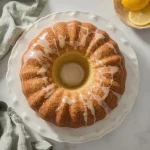
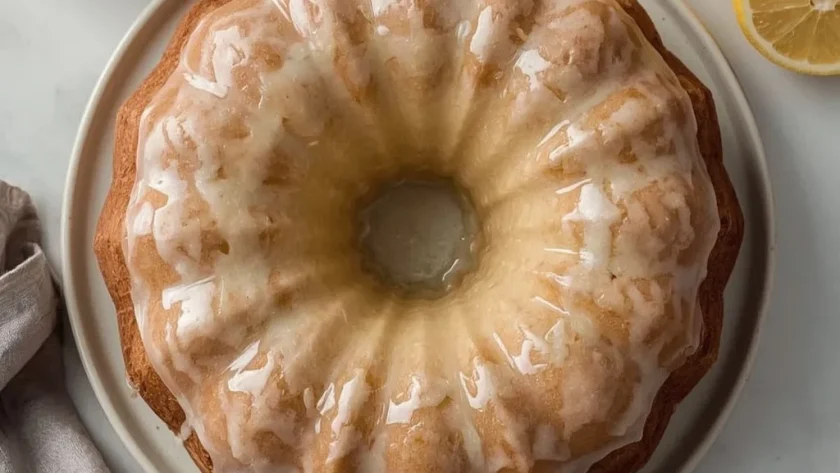
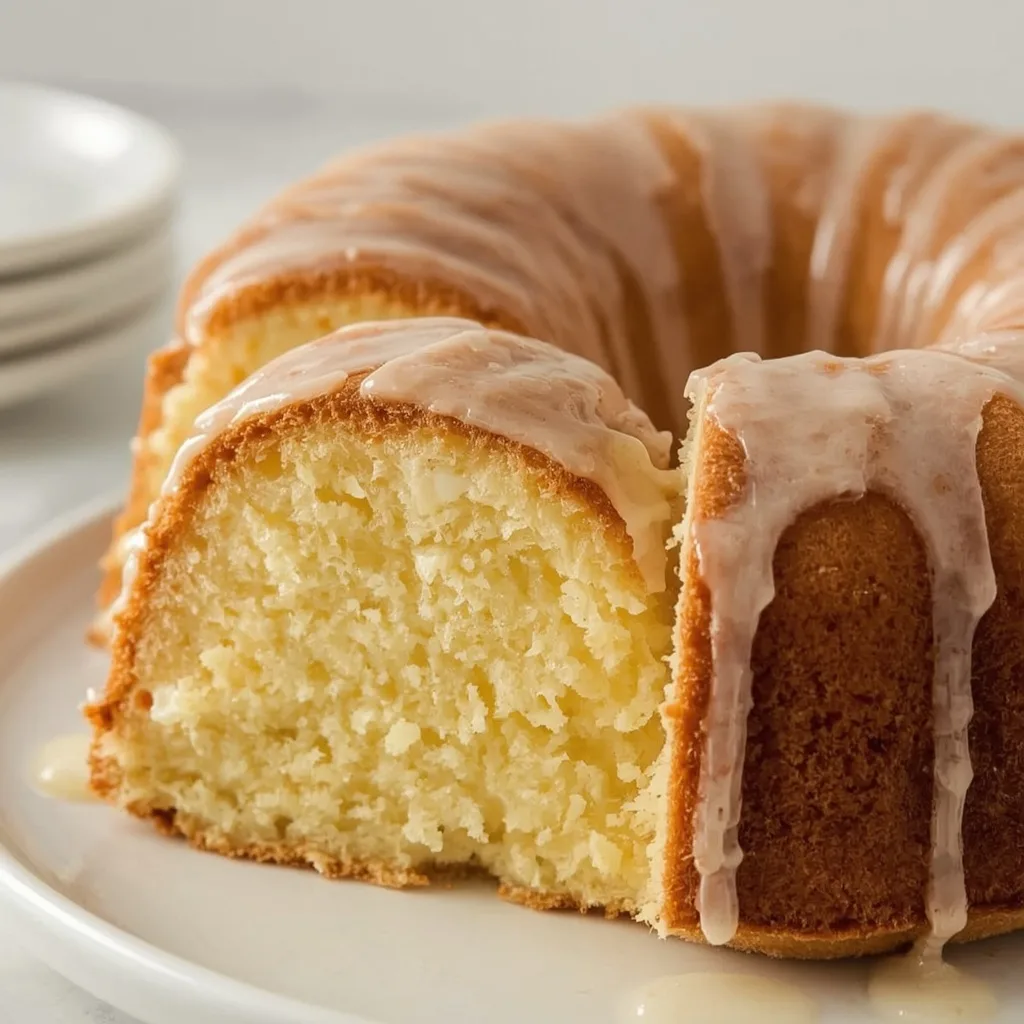
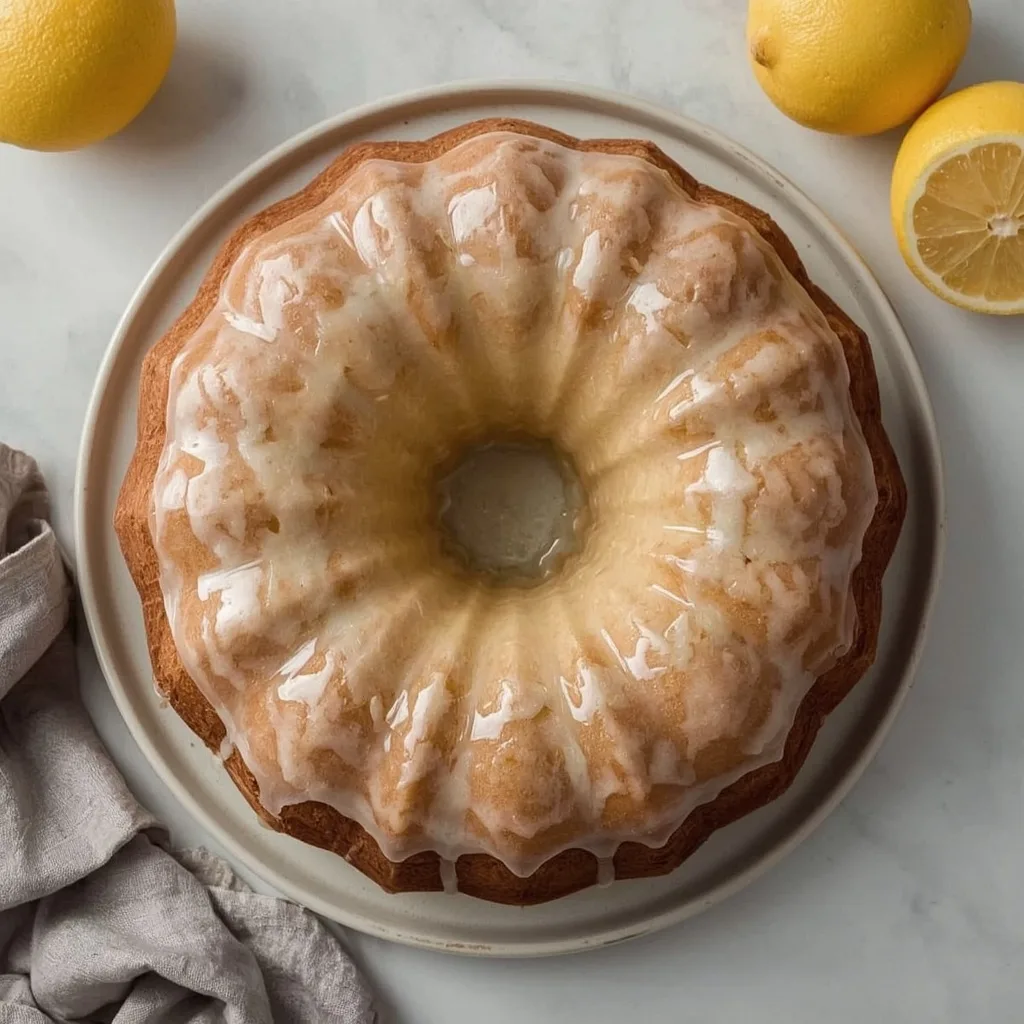
 This Pioneer Woman Lemon Pound Cake is a dense, buttery loaf with a tight crumb and a bright citrus punch that cuts right through the richness. The combination of cream cheese and butter gives it a velvety texture that stays moist for days, while the crackly lemon glaze adds just the right amount of sweetness.
You can have it on the table in about 90 minutes total, and this recipe qualifies as beginner-friendly. The only step that requires a little patience is letting the cake cool completely before glazing — otherwise, the glaze will soak right in and disappear.
A Quick Glimpse at Pioneer Woman Lemon Pound Cake
This isn’t a fluffy, airy cake. It’s a dense, tightly-crumbed pound cake made with butter, cream cheese, eggs, and plenty of fresh lemon zest and juice. The batter bakes low and slow at 325°F for a full hour to develop that golden-brown crust and tender interior. It works beautifully as a dessert, a brunch centerpiece, or a simple afternoon snack with tea.
Why This Recipe is Worth Trying
- Cream cheese makes the texture exceptional — The cream cheese adds richness and a silky, soft crumb that all-butter pound cakes sometimes lack. It also helps the cake stay moist longer than standard versions.
- Fresh lemon flavor comes through loud and clear — Both the zest and juice go into the batter, plus more juice in the glaze. You taste real lemon, not artificial extract.
- The tight crumb holds up to the glaze perfectly — Because the cake is dense, the glaze sits on top and drizzles down the sides instead of being absorbed. You get that crackly, sweet shell with every bite.
- It keeps well for several days — Stored airtight at room temperature, this cake stays tender for up to 3 days. The flavor actually improves after the first day.
- No special equipment is required — A stand mixer makes creaming easier, but a hand mixer works fine. A 4×8-inch loaf pan and a parchment sling handle the rest.
Essential Ingredients for This Recipe
Every ingredient here serves a specific purpose, so measure carefully and bring everything to room temperature before starting.
The Base Ingredients
- 1/2 cup unsalted butter (1 stick), softened to 65-68°F / 18-20°C — Butter provides the rich flavor and structure. Use unsalted to control the salt level, and make sure it’s properly softened — not melted or too firm.
- 2 ounces cream cheese, softened to 65-68°F / 18-20°C — This is the secret to the velvety texture. Room temperature cream cheese blends smoothly without lumps.
- 1 cup granulated sugar — Granulated sugar aerates the butter and cream cheese during creaming, building the cake’s structure. No substitutes here that will give the same texture.
- 2 large eggs, room temperature 68-72°F / 20-22°C — Room temperature eggs emulsify into the batter more easily than cold ones, preventing a curdled, separated mixture.
Flavor and Leavening
- 1 1/2 teaspoons lemon zest (from about 1 large lemon) — Zest delivers concentrated lemon oil without extra liquid. Grate only the yellow part; the white pith is bitter.
- 1 tablespoon fresh lemon juice (from half a large lemon) — Fresh juice adds bright acidity that balances the sweetness. Bottled lemon juice tastes flat here.
- 1/2 teaspoon vanilla extract — Vanilla rounds out the lemon flavor without competing. Use pure vanilla if you have it.
- 1/4 cup whole milk, room temperature 68-72°F / 20-22°C — Whole milk adds moisture and tenderizes the crumb. Lower-fat milk will work but won’t be as rich.
Dry Ingredients
- 1 cup all-purpose flour (5 ounces / 142 grams) — Weighing the flour gives the most consistent results. If you’re scooping, fluff the flour first, then spoon and level.
- 1/4 teaspoon fine sea salt — Salt enhances every flavor. Fine sea salt dissolves evenly; kosher salt may need adjustment.
- 1/4 teaspoon baking powder — Provides the primary lift for the cake.
- 1/8 teaspoon baking soda — A tiny amount neutralizes the acid from the lemon juice and helps the cake brown nicely.
For the Glaze
- 1/2 cup powdered sugar (2 ounces / 57 grams) — Sift it if it’s lumpy for a perfectly smooth glaze.
- 1 tablespoon fresh lemon juice (from half a large lemon) — Thins the powdered sugar and adds the final citrus hit.
- 1/2 teaspoon whole milk — Adjusts the consistency so the glaze is pourable but not runny.
Useful Equipment
- Stand mixer or hand mixer with paddle attachment — Creaming the butter, cream cheese, and sugar for several minutes requires power. A hand mixer works, but the stand mixer is easier when you need to scrape the bowl.
- 4×8-inch loaf pan — This exact size is important. A larger pan will make a shorter, wider cake that bakes faster, throwing off the timing.
- Parchment paper — Cut a sling with 2-inch overhangs on the long sides. This lets you lift the cake out cleanly without any sticking or breaking.
- Rubber spatula — You need it for scraping the bowl and folding the final flour streaks in by hand. A stiff metal spoon can overwork the batter.
- Instant-read thermometer — The internal temperature should hit 205-210°F (96-99°C) at the center. This is the most foolproof way to know the cake is done.
Directions to Make Pioneer Woman Lemon Pound Cake
Follow these steps in order, and don’t rush the creaming or cooling stages. Each step is designed to build the right texture and flavor.
- Prepare the pan and preheat the oven — Set the oven to 325°F (163°C). Spray a 4×8-inch loaf pan, then line it with a parchment sling that has 2-inch overhangs on the long sides. This makes removal effortless.
- Cream the butter and cream cheese — Beat 1/2 cup butter and 2 ounces cream cheese on medium-high speed (speed 4) for 2 full minutes until absolutely smooth with no lumps. The mixture should look light and fluffy.
- Add the sugar and continue creaming — Beat in 1 cup sugar on medium-high speed for 3 to 4 minutes. The mixture should turn pale and noticeably increase in volume. Scrape the bowl and paddle halfway through.
- Incorporate the eggs and flavorings — Add the 2 eggs one at a time, beating 30 seconds on medium speed after each. Then add 1 1/2 teaspoons lemon zest, 1 tablespoon lemon juice, and 1/2 teaspoon vanilla, beating 30 seconds more. Slight curdling is normal.
- Combine the dry ingredients — In a separate bowl, whisk together 1 cup flour, 1/4 teaspoon salt, 1/4 teaspoon baking powder, and 1/8 teaspoon baking soda until evenly distributed.
- Alternate adding flour and milk — On low speed, add the flour mixture in three additions, alternating with the 1/4 cup milk. Start and end with flour. Mix each addition until just a few streaks remain, then fold 5 strokes by hand.
- Fill the pan and tap out air bubbles — Pour the batter into the prepared pan, spread it even, and tap the pan firmly on the counter 3 times to release trapped air.
- Bake low and slow — Bake on the center rack for 60 to 70 minutes. After 50 minutes, tent loosely with foil if the top is browning too fast. The cake is done when a skewer comes out clean or the internal temp reads 205-210°F.
- Cool in the pan briefly — Let the cake rest in the pan on a wire rack for 15 minutes. Then lift it out by the parchment sling and cool completely on the rack, about 1 hour. Do not glaze while warm.
- Make the glaze — Whisk 1/2 cup powdered sugar, 1 tablespoon lemon juice, and 1/2 teaspoon milk until smooth. Adjust thickness with extra milk or powdered sugar as needed.
- Glaze and serve — Pour the glaze over the completely cooled cake. Let it set for 10-15 minutes, then slice with a serrated knife for clean cuts. Serve at room temperature.
What I Got Wrong (And How I Fixed It)
- Glazing the cake while it was still warm — The first time, I poured the glaze right after the 15-minute rest. It soaked straight into the cake and vanished. Wait until the cake is completely at room temperature — the glaze sits on top and stays glossy.
- Overmixing the batter after adding the flour — I kept mixing until the batter looked perfectly smooth. The result was a tough, dense cake that felt more like bread. Mix only until streaks of flour remain, then fold by hand.
- Using cold eggs straight from the fridge — The batter seized up and looked curdled and separated. Cold eggs don’t emulsify into a butter-sugar mixture properly. Let your eggs sit on the counter for 30 minutes before starting.
- Skipping the parchment sling — I tried greasing the pan and using a knife to loosen the edges. The cake stuck badly and broke apart when I tried to lift it out. The sling costs nothing but saves your cake every time.
- Testing for doneness too early — I opened the oven at 50 minutes, then again at 55, then at 60. All that heat loss caused the center to sink. Trust the 60-70 minute window and use a thermometer for accuracy.
Healthier Ways to Make Pioneer Woman Lemon Pound Cake
- Swap half the butter for Greek yogurt — Replace 1/4 cup of the butter with 1/4 cup plain full-fat Greek yogurt. This cuts saturated fat while keeping the cake moist. The texture will be slightly less rich but still tender.
- Reduce the sugar in the glaze — Use 3 tablespoons of powdered sugar instead of 1/2 cup for a thinner, less sweet drizzle. You can also skip the glaze entirely and dust the cake with powdered sugar.
- Use whole wheat pastry flour for half the flour — Replace 1/2 cup all-purpose flour with whole wheat pastry flour. This adds fiber and a mild nutty flavor without making the cake heavy or dry.
- Cut the sugar in the batter by 2 tablespoons — The cake will still be sweet enough, especially with the glaze. Beat the reduced sugar for the full 3-4 minutes to ensure proper aeration.
- Replace whole milk with low-fat buttermilk — Buttermilk has fewer calories and fat than whole milk, and its acidity helps the cake stay tender. Increase the baking soda to 1/4 teaspoon to balance the extra acid.
Ingredient Substitutions for Pioneer Woman Lemon Pound Cake
- Butter → Dairy-free margarine — Use a high-fat stick margarine (at least 80% fat) for a dairy-free version. The texture will be slightly less tender, but the cake will still rise and hold together.
- Cream cheese → Neufchâtel cheese — Neufchâtel has about one-third less fat than regular cream cheese. It works in the same way but may produce a slightly less velvety crumb. No other adjustments needed.
- All-purpose flour → Gluten-free 1-to-1 flour blend — Use a blend that contains xanthan gum. The cake will be slightly more delicate, so fold the batter even more gently and avoid overmixing.
- Whole milk → Oat milk — Oat milk has a similar richness and consistency to whole milk. Unsweetened vanilla oat milk adds a subtle sweetness the cake benefits from.
- Granulated sugar → Coconut sugar — Coconut sugar gives a deeper, caramel-like flavor. The cake will be slightly darker and the texture a bit grainier, but it works well with the lemon.
- Lemon zest → Lime zest — A direct swap by volume. Lime zest produces a slightly different citrus flavor that pairs beautifully with the cream cheese. The glaze can use lime juice instead of lemon.
Unexpected Ways to Enjoy This Pioneer Woman Lemon Pound Cake
- Layer it into a trifle — Cut the cake into 1-inch cubes and layer them with whipped cream, lemon curd, and fresh berries in a glass bowl. The dense crumb holds its shape instead of turning to mush.
- Toast slices on a griddle — Brush thick slices with melted butter and sear them on a hot griddle for 2 minutes per side. The edges caramelize, the glaze melts slightly, and it tastes like lemon French toast without the egg.
- Serve it with a warm berry compote — Simmer frozen mixed berries with a tablespoon of sugar and a squeeze of lemon juice until syrupy. Spoon it over the cake for a bright, warm topping that cuts the richness.
- Cube it for bread pudding — Substitute this pound cake for brioche in a bread pudding recipe. The lemon flavor infuses the custard. Bake at 350°F for 35-40 minutes until set.
- Pair it with a dollop of mascarpone — Mix mascarpone with a little honey or powdered sugar and a pinch of lemon zest. A spoonful on top of each slice makes dessert feel like something from a restaurant.
Best Tips for Pioneer Woman Lemon Pound Cake Success
- Weigh your flour for consistent results — 1 cup of all-purpose flour should be exactly 5 ounces or 142 grams. Scooping directly from the bag can add up to 25% more flour, which dries out the cake. A kitchen scale costs under $20 and eliminates guesswork.
- Check your oven temperature with an oven thermometer — Many ovens run 25-50°F off from the set dial. The cake bakes at 325°F for an hour, so even a small temperature swing affects the final texture. An oven thermometer is cheap insurance.
- Let the glaze set before slicing — The 10-15 minute rest after glazing is not optional. If you slice too early, the glaze smears across the cut edges and looks messy. A serrated knife also helps create clean slices without compressing the crumb.
- Place a baking sheet on the rack below the loaf pan — Batter can bubble over the sides of the pan during baking, especially if the pan is slightly too small. A sheet pan catches drips and saves you from scrubbing the oven floor later.
- Bring all cold ingredients to room temperature together — Butter, cream cheese, eggs, and milk should sit on the counter for at least 45 minutes. If the eggs are still cold when they hit the batter, the fat and liquid separate, and you get a greasy cake.
- Insert the toothpick or skewer at an angle from the side — Pushing straight down through the center crack can give a false “wet” reading from the glaze or a pocket of moist batter. Insert it from the side near the center for a true read.
- Wrap the cooled cake tightly in plastic wrap overnight — The next day, the lemon flavor is more pronounced and the crumb is evenly moist. This makes the cake better for gifting or serving the following day.
Tasty Twists on Pioneer Woman Lemon Pound Cake
- Lemon-Poppy Seed Pound Cake — Add 1 1/2 tablespoons of poppy seeds to the dry ingredients before adding them to the batter. Stir gently to distribute. The seeds add a subtle crunch and nutty flavor that complements the lemon.
- Lemon-Blueberry Pound Cake — Fold 1 cup of fresh or frozen blueberries (don’t thaw) into the batter after the final fold. Toss the berries in 1 tablespoon of flour first to keep them from sinking to the bottom.
- Lemon-Lavender Pound Cake — Crush 1 teaspoon of dried culinary lavender buds and whisk them into the flour mixture. The floral notes make the cake feel elegant for tea parties or bridal showers.
- Lemon-Coconut Pound Cake — Add 1/3 cup of unsweetened shredded coconut to the dry ingredients. Swap the milk for unsweetened coconut milk and toast an extra tablespoon of coconut to sprinkle on top of the glaze.
- Lemon-Thyme Pound Cake — Finely chop 1 teaspoon of fresh thyme leaves and whisk them into the flour mixture. The herb adds an earthy, savory note that balances the sweet lemon glaze beautifully.
Best Ways to Store Your Pioneer Woman Lemon Pound Cake
- At room temperature, glazed — Place the fully cooled and glazed cake in an airtight container or wrap it loosely in plastic wrap. It stays moist and flavorful for 3 days on the counter. Do not refrigerate a glazed cake, or the glaze will become sticky and dull.
- In the refrigerator, unglazed — Wrap the unglazed, completely cooled cake tightly in plastic wrap, then in foil. Refrigerate for up to 1 week. The cold temperature firms up the crumb, so let it sit at room temperature for 30 minutes before glazing.
- In the freezer, unglazed — Wrap the unglazed cake in a layer of plastic wrap, then a layer of foil, then place in a freezer bag. Freeze for up to 3 months. Thaw overnight in the fridge or at room temperature for 2 hours before glazing and serving.
- In individual portions for grab-and-go — Slice the unglazed cake into portions, wrap each slice in plastic wrap, and freeze them in a single layer in a freezer bag. Thaw individual slices at room temperature for 30 minutes, then glaze fresh.
Ways to Warm It Up Again
- Microwave low and slow — Place a slice on a microwave-safe plate and heat on 50% power for 20 seconds. This warms the cake without turning the glaze runny or rubbery. For a hotter slice, add a second 15-second burst at 50% power.
- Oven fom a full even warm — Place the whole cake or individual slices on a baking sheet in a 300°F (149°C) oven for 5 minutes. The glaze will soften slightly but stay glossy. This works best when you’re serving several people at once.
- Toaster oven for crisp edges — Split a slice horizontally and toast the cut sides in a toaster oven set to 350°F for 3-4 minutes. The outside gets slightly crispy while the interior stays soft. Skip this if the glaze is thick, as it can drip and burn.
Nutritional Breakdown (per serving)
Based on 1 serving = 1 portion out of 4 total.
- Calories: 392
- Protein: 7g
- Fat: 23g
- Carbohydrates: 43g
- Fiber: 0.5g
- Sugar: 30g
- Sodium: about 183mg
Try These Recipes
Wrapping It Up
This Pioneer Woman Lemon Pound Cake delivers exactly what a good pound cake should — a tight, moist crumb, bold citrus flavor, and a sweet, crackly glaze that dresses it up without fuss. It’s simple enough for a weekday treat and elegant enough for a spring brunch.
The key is following the method: cream the butter and cream cheese fully, alternate the dry and wet ingredients gently, and don’t rush the cooling. Do those three things, and this cake will turn out perfectly every time. Give it a try, and you’ll see why this recipe has become a go-to in my kitchen.
PrintPioneer Woman Lemon Pound Cake

This dense, moist lemon pound cake has a tight crumb and a bright citrus tang, balanced by a sweet, crackly glaze. The butter and cream cheese create a velvety texture that stays tender for days. Serve it as a dessert, brunch treat, or afternoon snack.
- Prep Time: 20
- Cook Time: 70
- Total Time: 90
- Yield: 4 1x
- Category: Dessert
- Method: Baking
- Cuisine: American
Ingredients
- 1/2 cup unsalted butter (1 stick), softened to 65-68°F / 18-20°C
- 2 ounces cream cheese, softened to 65-68°F / 18-20°C
- 1 cup granulated sugar
- 2 large eggs, room temperature 68-72°F / 20-22°C
- 1 1/2 teaspoons lemon zest (from about 1 large lemon)
- 1 tablespoon fresh lemon juice (from half a large lemon)
- 1/4 cup whole milk, room temperature 68-72°F / 20-22°C
- 1/2 teaspoon vanilla extract
- 1 cup all-purpose flour (5 ounces / 142 grams)
- 1/4 teaspoon fine sea salt
- 1/4 teaspoon baking powder
- 1/8 teaspoon baking soda
- For the glaze:
- 1/2 cup powdered sugar (2 ounces / 57 grams)
- 1 tablespoon fresh lemon juice (from half a large lemon)
- 1/2 teaspoon whole milk
Instructions
- Preheat the oven to 325°F (163°C). Lightly spray a 4×8-inch loaf pan with pan spray and line with a parchment sling, leaving 2 inches overhang on the long sides. This ensures easy removal and prevents sticking.
- In the bowl of a stand mixer fitted with the paddle attachment, combine 1/2 cup softened butter and 2 ounces softened cream cheese. Beat on medium-high speed (speed 4) for 2 minutes until completely smooth, with no lumps remaining. The mixture should be light and fluffy.
- Add 1 cup granulated sugar to the butter-cream cheese mixture. Beat on medium-high speed for 3 to 4 minutes, until the mixture looks pale, very light, and has increased in volume. Stop and scrape down the bowl and paddle with a rubber spatula halfway through to ensure even creaming.
- Add the 2 eggs one at a time, beating on medium speed for 30 seconds after each addition until fully incorporated. After both eggs are in, add 1 1/2 teaspoons lemon zest, 1 tablespoon lemon juice, and 1/2 teaspoon vanilla extract. Beat on medium speed for 30 seconds to combine. The batter may look slightly curdled at this point — that is fine.
- In a medium bowl, whisk together 1 cup all-purpose flour, 1/4 teaspoon fine sea salt, 1/4 teaspoon baking powder, and 1/8 teaspoon baking soda. Whisking evenly distributes the leavening and salt throughout the flour.
- With the mixer on low speed, add the flour mixture in three additions, alternating with the 1/4 cup milk. Start and end with flour (flour, half the milk, flour, remaining milk, flour). Mix each addition just until a few streaks of flour remain — do not overmix, or the cake will be tough. Using a rubber spatula, fold the batter a final 5 strokes from the bottom up to ensure everything is combined.
- Pour the batter into the prepared loaf pan and spread it into an even layer with the spatula. Tap the pan firmly on the counter 3 times to release any large air bubbles trapped in the batter.
- Bake on the center rack at 325°F (163°C) for 60 to 70 minutes. After 50 minutes, tent loosely with aluminum foil if the top is browning too fast. The cake is done when a wooden skewer inserted into the center comes out clean, or with a few moist crumbs (not wet batter). The internal temperature at the center should read 205-210°F (96-99°C).
- Remove the pan from the oven and place it on a wire rack. Let the cake cool in the pan for 15 minutes. Then lift the cake out by the parchment sling and set it directly on the wire rack to cool completely to room temperature, about 1 hour. Do not glaze while still warm, or the glaze will soak in and disappear.
- While the cake cools, make the glaze: In a small bowl, whisk together 1/2 cup powdered sugar, 1 tablespoon lemon juice, and 1/2 teaspoon milk. Whisk until completely smooth and thickened slightly but still pourable. If too thick, add one more teaspoon of milk; if too thin, add 1 tablespoon more powdered sugar.
- Once the cake is completely cool, pour the glaze over the top, letting it drip down the sides. Let the glaze set for 10-15 minutes at room temperature before slicing. Use a serrated knife to cut clean slices without squishing the cake.
- Serve at room temperature. Store leftovers in an airtight container at room temperature for up to 3 days, or in the refrigerator for up to 1 week. The cake also freezes well for up to 3 months without glaze — thaw at room temperature, then glaze before serving.
Notes
Storage: Store in an airtight container at room temperature for 3 days, or refrigerated for 1 week. Freezing: Wrap the unglazed cooled cake tightly in plastic wrap then foil; freeze for up to 3 months. Thaw overnight in the fridge or at room temperature for 2 hours before glazing. Reheating: For a warm slice, microwave on 50% power for 20 seconds or place in a 300°F oven for 5 minutes. Glaze will stay shiny if kept at room temperature.
Nutrition
- Calories: 392
- Sugar: 30g
- Sodium: 183mg
- Unsaturated Fat: 14g
- Carbohydrates: 43g
- Fiber: 0.5g
- Protein: 7g
- Cholesterol: 115mg
Keywords: lemon pound cake, lemon cake, pound cake recipe, cream cheese pound cake, lemon dessert, southern dessert, lemon glaze, bundt cake, lemon bundt cake, pioneer woman recipe, lemon cream cheese cake