 Anabelle
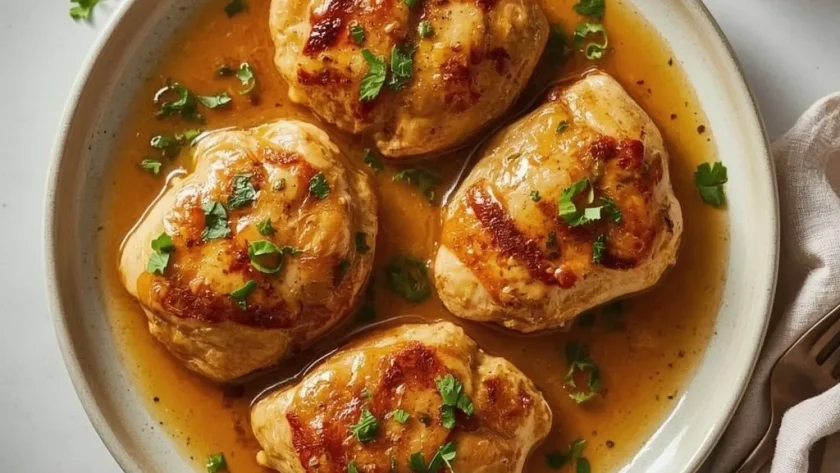
 Pioneer Woman Honey Mustard Chicken brings together sweet honey, tangy Dijon mustard, and a whisper of garlic in one comforting skillet dinner. The chicken gets a quick sear for a golden crust, then finishes in the oven with a creamy sauce that coats every bite.
This recipe takes about 60 minutes from start to finish and sits comfortably at beginner level. It works beautifully for a Sunday supper or a busy weeknight when you want something that feels a little special. The only mildly fussy step is pounding the chicken to an even thickness, but that takes two minutes with a rolling pin or your fist.
A Quick Glimpse at Pioneer Woman Honey Mustard Chicken
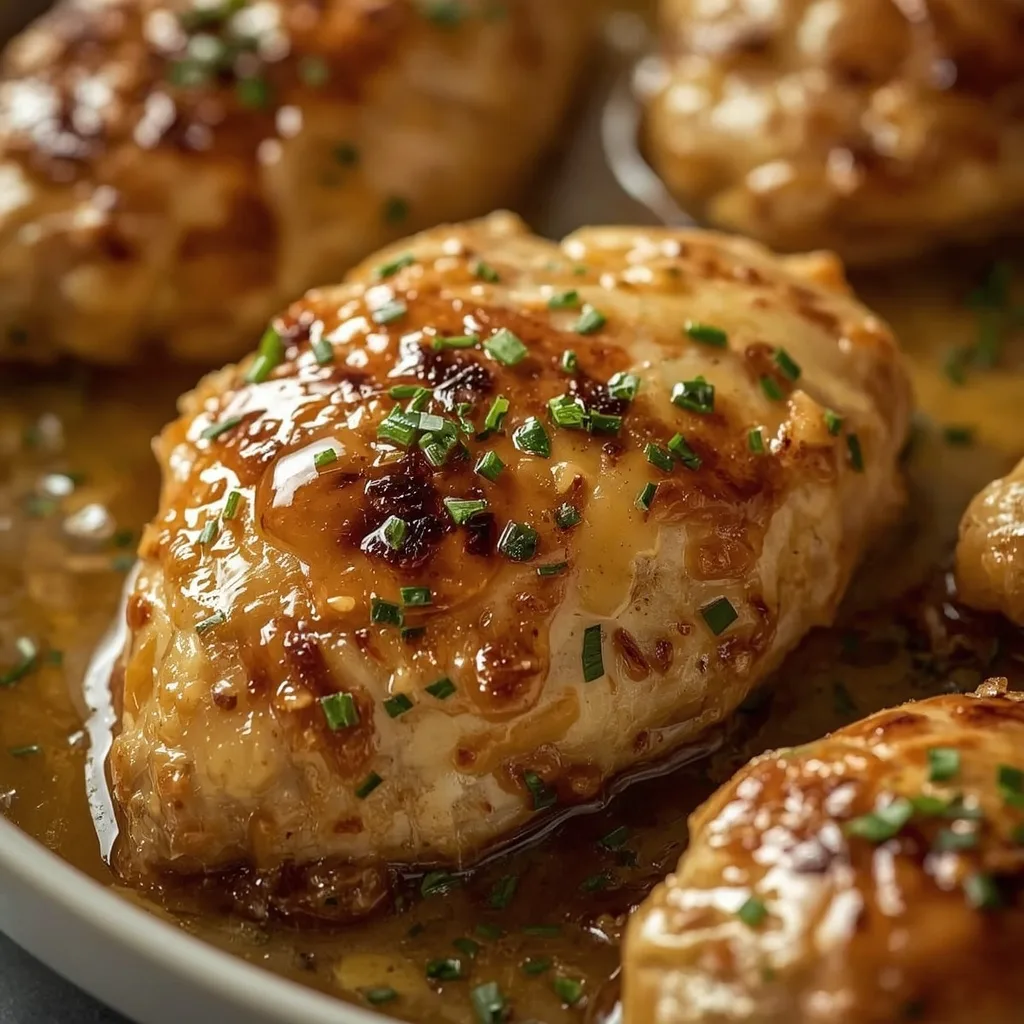
Boneless chicken breasts get dusted in flour, seared until golden, and then baked in a sauce built from chicken broth, Dijon mustard, honey, and whole-grain mustard. Fresh thyme adds an earthy note, while the sauce reduces into something glossy that clings to the meat. The finished dish is tender, slightly sticky, and balanced between sharp and sweet.
Why This Recipe is Worth Trying
- Balanced flavors — The honey softens the bite of Dijon and whole-grain mustard, creating a sauce that tastes complex without overwhelming anyone.
- One-pan cleanup — You sear, deglaze, and roast in the same ovenproof skillet, so there is minimal washing up afterward.
- Reliable technique — The flour dusting helps the chicken brown nicely and thickens the sauce naturally as it simmers.
- Family-friendly appeal — Even picky eaters tend to enjoy the sweet-tangy flavor, and it pairs well with rice, potatoes, or crusty bread.
- Simple ingredients — Most of what you need sits in the pantry already, making this an easy last-minute pick.
Essential Ingredients for This Recipe
Thirteen ingredients, and most of them are probably in your kitchen right now. Here is what each one does.
The Chicken
- 4 boneless, skinless chicken breast halves (about 1.5 lb / 680 g total), pounded to even 1-inch thick — Pounding ensures even cooking so the thickest part doesn’t dry out while the thin end overcooks. If your breasts are already thin, you can skip the pounding.
The Seasoning and Coating
- 1 teaspoon kosher salt — This seasons the chicken from the outside in. Table salt is saltier by volume, so reduce to 3/4 teaspoon if you swap.
- 1/2 teaspoon freshly ground black pepper — Freshly ground has more aroma than pre-ground. It adds a gentle warmth to the crust.
- 1/2 cup all-purpose flour (for dusting) — A light coating browns beautifully and helps thicken the sauce as it bubbles. Shake off the excess; you want a thin film, not a batter.
The Searing Fat
- 2 tablespoons unsalted butter — Butter adds richness and helps the chicken develop a deep brown crust. It burns easily, so keep the heat at medium-high and watch the foam.
- 2 tablespoons olive oil — The oil raises the smoke point of the butter, letting you sear hotter without scorching. A neutral oil like canola works too.
The Sauce
- 1/2 cup chicken broth — This deglazes the pan, picking up all the browned bits that hold flavor. Use low-sodium if you are watching salt.
- 1/3 cup Dijon mustard — Smooth, sharp, and slightly creamy, Dijon is the backbone of the sauce. It melts in without leaving grit.
- 1/3 cup honey — Sweetness balances the mustard’s tang. Wildflower or clover honey both work; avoid strongly flavored varieties like buckwheat.
- 2 tablespoons whole-grain mustard — This gives the sauce texture with its little seeds. It adds a pop of mustard flavor without more heat.
- 2 cloves garlic, minced — Garlic sautés briefly before the liquid goes in, infusing the sauce with a savory depth.
- 1 tablespoon fresh thyme leaves (or 1 teaspoon dried thyme) — Thyme brings an herby lift that cuts through the sweetness. Dried works, but add it with the broth so it rehydrates.
- 2 tablespoons chopped fresh parsley (for garnish) — A final sprinkle of parsley brightens the dish and adds color.
Useful Equipment
- Large ovenproof skillet — Cast iron or stainless steel both work. The key is that the handle can handle 375°F / 190°C oven heat.
- Meat thermometer — This takes the guesswork out of doneness. The chicken needs to hit 165°F / 74°C internally.
- Wooden spoon — Ideal for scraping up the browned bits during deglazing without scratching your pan.
- Whisk — Helps blend the mustards and honey into a smooth sauce with no lumps.
- Rolling pin or meat mallet — For pounding the chicken to an even thickness. A heavy skillet can substitute in a pinch.
Directions to Make Pioneer Woman Honey Mustard Chicken
Start by preheating the oven and prepping the chicken. The steps flow quickly once the pan hits the heat, so have everything measured and ready.
- Prep the chicken — Preheat the oven to 375°F / 190°C. Season each breast with salt and pepper on both sides, then dredge lightly in flour. Shake off any excess so the crust stays thin and crisp.
- Sear the chicken — Heat the butter and olive oil in a large ovenproof skillet over medium-high heat. When the butter foams and the oil shimmers, place the chicken in the pan. Sear 4–5 minutes per side until golden brown and it releases easily. Work in batches if the pan seems crowded.
- Rest and aromatics — Transfer the seared chicken to a plate. Lower the heat to medium and add the minced garlic, sautéing for 30–60 seconds until fragrant. Stir constantly; garlic burns fast.
- Deglaze the pan — Pour in the chicken broth and scrape up the browned bits with a wooden spoon. This step adds deep flavor to the sauce, so don’t skip it.
- Build the sauce — Whisk in the Dijon mustard, honey, and whole-grain mustard until smooth. Add the fresh thyme and bring to a gentle simmer. Cook about 2 minutes until it slightly thickens. Taste and adjust with a teaspoon of honey for sweetness or mustard for tang.
- Roast in the oven — Return the chicken to the skillet, spooning sauce over the top. Bake uncovered for 20–25 minutes until the internal temperature hits 165°F / 74°C. The sauce will reduce and turn glossy.
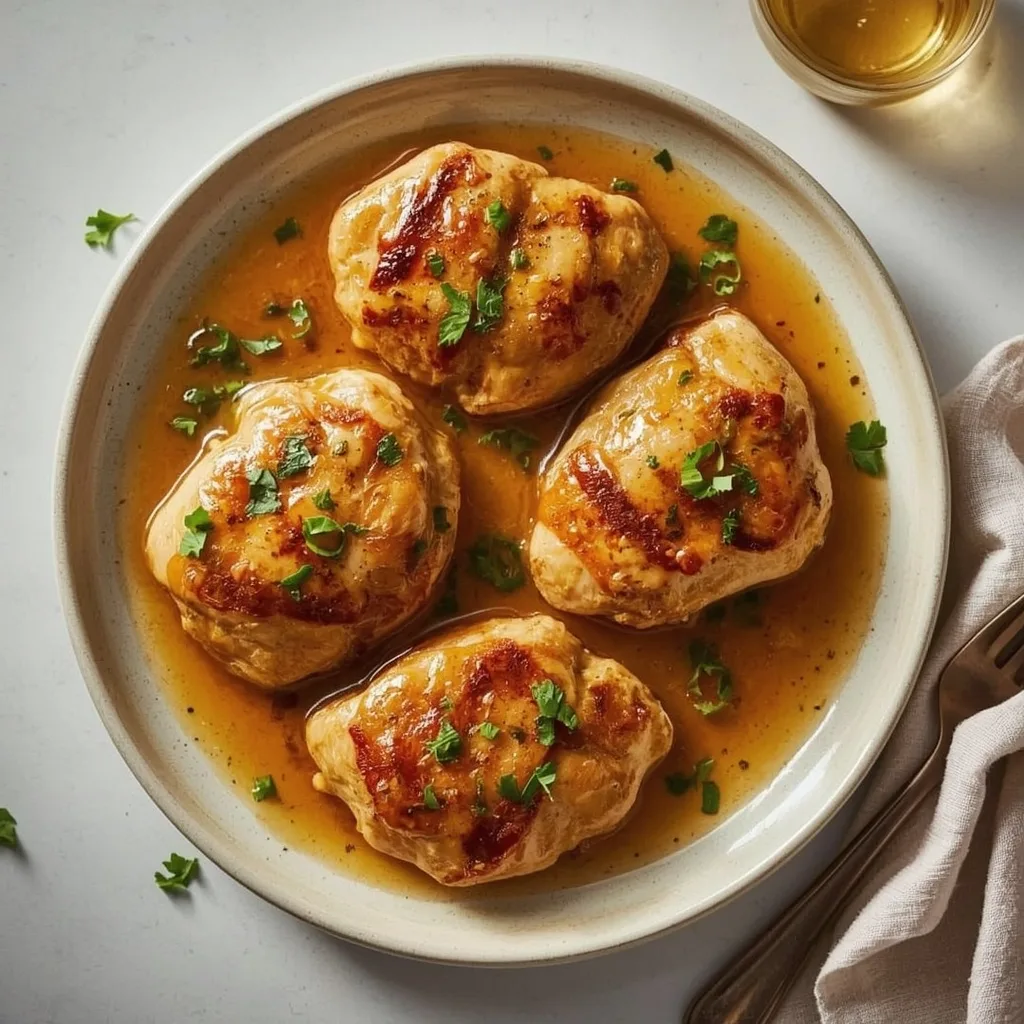
- Rest and serve — Remove the skillet from the oven and let it rest 5 minutes. This allows the juices to redistribute and keeps the chicken moist. Spoon the sauce generously over each piece and garnish with parsley before serving.
What I Got Wrong (And How I Fixed It)
These are the pitfalls that tripped me up during testing. Learn from my stumbles and save yourself the frustration.
- Overcrowding the pan — When I crammed all four breasts in at once, they steamed instead of searing, leaving pale, rubbery crusts. Now I sear in two batches, and the browning comes out deep and even.
- Skipping the deglaze — The first time, I added the broth without scraping the bottom, and I lost all that concentrated flavor. Those browned bits are where the magic lives.
- Burning the garlic — I walked away for a minute and the garlic turned bitter and dark. Keep it moving for just 30–60 seconds and pull it off the heat if your pan runs hot.
- Dry chicken — I trusted the clock instead of a thermometer and pulled the chicken at 22 minutes, only to find the thickest part slightly pink. A digital thermometer fixed that instantly.
- Thin sauce — My first batch was watery because I didn’t let it simmer long enough. Give it the full 2 minutes and watch it turn syrupy before going in the oven.
- Over-flouring the chicken — A thick flour coat leaves a pasty, raw taste. A light dusting with a good shake is all you need.
Healthier Ways to Make Pioneer Woman Honey Mustard Chicken
You can trim calories and fat without sacrificing much flavor. These swaps keep the character of the dish intact.
- Skip the butter — Use all olive oil instead of the butter-oil combo. You save about 100 calories and 12 grams of fat, though you lose a bit of richness.
- Lighten the honey — Cut the honey down to 1/4 cup and add a splash of apple cider vinegar for tartness. You drop around 4 grams of sugar per serving.
- Go skinless and boneless — The recipe already calls for boneless breasts, so you are ahead there. Trim any visible fat before searing.
- Use cornstarch instead of flour — Dust the chicken with cornstarch for a lighter, gluten-free coating. It crisps well and thickens the sauce similarly.
Ingredient Substitutions for Pioneer Woman Honey Mustard Chicken
Substitutions work when you know what role each ingredient plays. Here are practical swaps that hold up.
- Chicken broth → White wine or water — Dry white wine adds brightness; water works too, but you lose depth. Use 1/4 cup wine and 1/4 cup water to keep volume.
- Dijon mustard → Yellow mustard — Tangier and less sharp, yellow mustard makes a milder sauce. Reduce the honey slightly since yellow mustard is sweeter.
- Whole-grain mustard → Extra Dijon — Add 1 tablespoon more Dijon plus a pinch of mustard seeds if you have them.
- Fresh thyme → Oregano or rosemary — Oregano leans Mediterranean, rosemary adds piney notes. Use half the amount since dried rosemary is potent.
- Honey → Maple syrup — Maple brings a woodsy sweetness that pairs well with mustard. It’s a touch less sweet, so you might add a teaspoon extra.
Unexpected Ways to Enjoy This Pioneer Woman Honey Mustard Chicken
Beyond the obvious plated dinner, this chicken adapts to all sorts of meals. Try one of these creative twists.
- Salad topper — Slice the chicken warm and lay it over mixed greens with cherry tomatoes and a light vinaigrette. The sauce doubles as a dressing.
- Sandwich filler — Shred the chicken and pile it on a crusty roll with arugula and pickled onions. Perfect for a casual lunch.
- Grain bowl — Serve over quinoa or farro with roasted broccoli and a drizzle of extra sauce. The honey-mustard flavor carries the whole bowl.
- Pasta toss — Cut the chicken into strips and toss with cooked penne, a splash of pasta water, and a handful of spinach. The sauce coats the noodles beautifully.
- Wrap it up — Wrap slices in tortillas with shredded cabbage, carrots, and a sprinkle of sesame seeds for a fusion-style wrap.
Best Tips for Pioneer Woman Honey Mustard Chicken Success
Small details make the difference between good and great here. These tips come straight from my repeated batches.
- Pound to an even thickness — A uniform 1-inch thickness means every piece cooks in the same time. Thick spots stay raw while thin parts dry out.
- Pat the chicken dry first — Moisture prevents browning. Dry the breasts with paper towels before seasoning to get a proper golden crust.
- Let the pan heat properly — Wait until the butter foam subsides and the oil shimmers before adding the chicken. A hot pan gives you that sear in 4–5 minutes.
- Don’t move the chicken early — If it sticks to the pan, it’s not ready. Let it cook until it releases on its own.
- Rest before serving — Those 5 minutes off the heat are non-negotiable. Cut too soon and the juices pool on the plate instead of staying in the meat.
- Season the sauce at the end — Mustards vary in saltiness, so taste the sauce after simmering. Adjust with honey or mustard, not salt, unless it truly needs it.
Tasty Twists on Pioneer Woman Honey Mustard Chicken
Once you’ve mastered the base, play around with these variations. Each one stays in the same spirit while changing the flavor profile.
- Spicy honey mustard — Add 1/2 teaspoon of cayenne or a minced jalapeño to the sauce. The heat cuts the sweetness and adds a kick.
- Herbed version — Swap the thyme for 1 tablespoon of chopped sage and 1 teaspoon of rosemary. Earthy herbs pair beautifully with the honey.
- Asian-inspired — Replace the Dijon with 2 tablespoons of soy sauce and add 1 teaspoon of grated ginger. Serve over rice with scallions on top.
- Cheesy twist — Sprinkle 1/2 cup of shredded Gruyère or sharp cheddar over the chicken in the last 5 minutes of baking. The cheese melts into the sauce.
- Honey mustard glaze — Reduce the sauce longer (about 5 minutes) to create a thicker glaze, then brush it on grilled chicken instead of roasting.
Best Ways to Store Your Pioneer Woman Honey Mustard Chicken
Leftovers keep well, and the sauce actually gets richer overnight. Here is how to handle them properly.
- Refrigerator container — Store in an airtight container for up to 3 days. The sauce may thicken; that is normal.
- Freezer pack — Place the chicken and sauce in a freezer-safe container for up to 3 months. Wrap tightly to prevent freezer burn.
- Individual portions — Divide into single servings before freezing. This makes thawing and reheating quicker and easier.
- Sauce separate — If you plan to freeze, keep the sauce in its own container. It reheats more evenly that way.
Ways to Warm It Up Again
Reheating chicken without drying it out takes a gentle touch. These methods keep the meat moist and the sauce glossy.
- Oven method — Thaw overnight in the refrigerator, then warm at 350°F / 177°C for 15–20 minutes. Cover with foil to trap moisture.
- Microwave shortcut — Heat in 30-second intervals until warmed through. Stir the sauce and check the thickest piece of chicken.
- Stovetop approach — Place the chicken and sauce in a skillet over low heat, adding a splash of broth or water to loosen the sauce. Warm gently, stirring occasionally.
Nutritional Breakdown (per serving)
Based on 1 serving = 1 portion out of 4 total.
- Calories — 480
- Protein — 38g
- Fat — 20g
- Saturated Fat — 8g
- Carbohydrates — 38g
- Fiber — 2g
- Sugar — 26g
- Sodium — 820mg
- Cholesterol — 110mg
Try These Recipes
Wrapping It Up
Pioneer Woman Honey Mustard Chicken is one of those dishes that feels like a hug on a plate — sweet, tangy, and deeply satisfying. The sauce alone is worth making, and it turns simple chicken breasts into something memorable.
Give it a try this week. You will have dinner ready in about an hour, and the leftovers are just as good the next day.
PrintPioneer Woman Honey Mustard Chicken
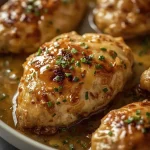
This honey mustard chicken brings together the perfect balance of sweet honey and tangy Dijon mustard with a touch of garlic and herbs. The chicken is seared to a golden brown, then roasted in a rich, creamy sauce that clings to every bite. It’s a comforting, family-friendly main course that feels special enough for a Sunday dinner yet easy enough for a weeknight.
- Prep Time: 15
- Cook Time: 45
- Total Time: 60
- Yield: 4 1x
- Category: Main Course
- Method: Stovetop and Oven
- Cuisine: American
Ingredients
- 4 boneless, skinless chicken breast halves (about 1.5 lb / 680 g total), pounded to even 1-inch thick
- 1 teaspoon kosher salt
- 1/2 teaspoon freshly ground black pepper
- 1/2 cup all-purpose flour (for dusting)
- 2 tablespoons unsalted butter
- 2 tablespoons olive oil
- 1/2 cup chicken broth
- 1/3 cup Dijon mustard
- 1/3 cup honey
- 2 tablespoons whole-grain mustard
- 2 cloves garlic, minced
- 1 tablespoon fresh thyme leaves (or 1 teaspoon dried thyme)
- 2 tablespoons chopped fresh parsley (for garnish)
Instructions
- Preheat the oven to 375°F / 190°C. Season the chicken breasts on both sides with the salt and pepper. Dredge each piece lightly in the flour, shaking off the excess. This thin coating will help the chicken develop a nice golden crust and also thicken the sauce slightly.
- In a large ovenproof skillet (such as cast iron or stainless steel), heat the butter and olive oil over medium-high heat. When the butter foams and the oil shimmers, carefully place the chicken in the skillet. Sear for 4–5 minutes per side, until the chicken is golden brown and releases easily from the pan. Do not crowd the pan; work in batches if necessary.
- Transfer the seared chicken to a plate and set aside. The chicken will not be cooked through yet—it will finish in the oven.
- Reduce the heat to medium. Add the minced garlic to the same skillet and sauté for 30–60 seconds, until fragrant, stirring constantly to avoid burning.
- Pour in the chicken broth and use a wooden spoon to scrape up any browned bits from the bottom of the pan—this is called deglazing and it adds deep flavor to the sauce.
- Whisk in the Dijon mustard, honey, and whole-grain mustard until smooth. Add the fresh thyme. Bring the sauce to a gentle simmer and let it cook for about 2 minutes, until it slightly thickens. Taste and adjust if needed (for more sweetness add a teaspoon of honey, for more tang add a teaspoon of mustard).
- Return the chicken breasts to the skillet, spooning some of the sauce over the top. Place the skillet in the preheated oven, uncovered, and bake for 20–25 minutes, or until the chicken reaches an internal temperature of 165°F / 74°C. The sauce will reduce and become glossy.
- Once the chicken is done, remove the skillet from the oven and let it rest for 5 minutes. This resting period allows the juices to redistribute, ensuring moist, tender chicken.
- Spoon the sauce over the chicken generously and garnish with chopped parsley before serving.
Notes
Store leftover honey mustard chicken in an airtight container in the refrigerator for up to 3 days. To freeze, place the chicken and sauce in a freezer-safe container and freeze for up to 3 months. To reheat, thaw in the refrigerator overnight, then warm in a 350°F / 177°C oven for 15–20 minutes, or in the microwave in 30-second intervals until heated through. The sauce may thicken upon standing; stir in a splash of chicken broth or water when reheating if a thinner consistency is desired.
Nutrition
- Calories: 480
- Sugar: 26g
- Sodium: 820mg
- Unsaturated Fat: 7g
- Carbohydrates: 38g
- Fiber: 2g
- Protein: 38g
- Cholesterol: 115mg
Keywords: honey mustard chicken, pioneer woman honey mustard chicken, baked chicken, chicken breast, honey mustard sauce, dijon mustard, weeknight dinner, comfort food, roasted chicken, creamy chicken