 Anabelle
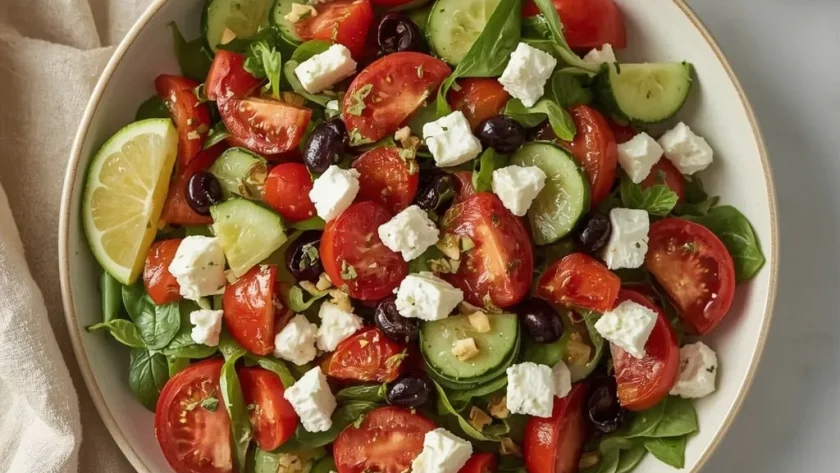
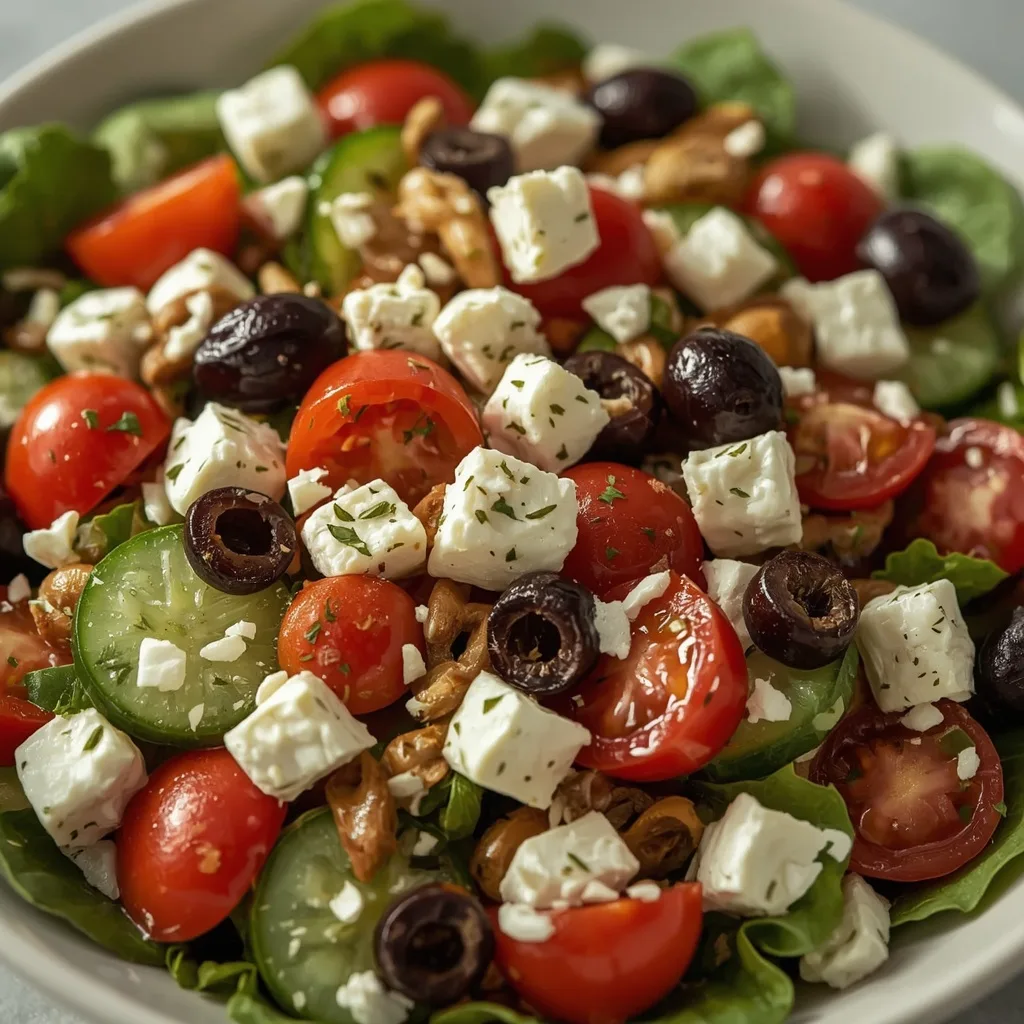
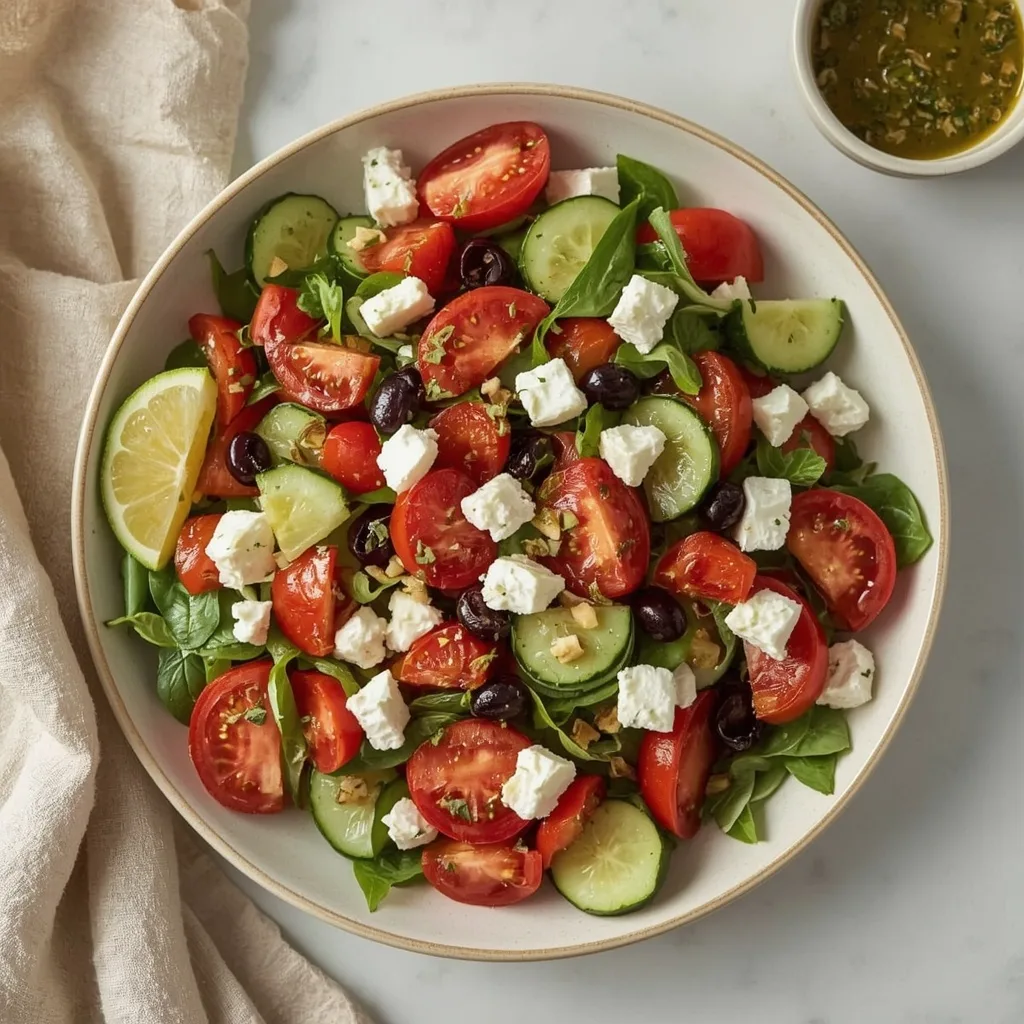
 Pioneer Woman Greek Salad is exactly what a main-course salad should be — crisp, briny, and loaded with fresh Mediterranean flavor. Juicy tomatoes, cool cucumber, and creamy feta all come together under a bright lemon-oregano vinaigrette that coats every single chunk without weighing anything down.
The whole thing comes together in 20 minutes flat, and I’d call it beginner-friendly even though the dressing has one little emulsification step that’s worth watching. It works beautifully as a light weekday lunch or as the vegetable-forward centerpiece of a summer dinner spread.
A Quick Glimpse at Pioneer Woman Greek Salad
This is a no-cook salad built on a base of ripe tomatoes, seeded cucumber, red onion, bell pepper, kalamata olives, and feta cubes. Everything gets tossed with a simple red wine and lemon vinaigrette that takes about two minutes to whisk together. The finished bowl is crunchy, salty, tangy, and unabashedly fresh — the kind of dish that tastes like it belongs on a patio table in July.
Why This Recipe is Worth Trying
Here is what pushed this one to the top of my regular rotation:
- No cooking required — Whether it’s a heatwave or a busy Tuesday, this salad skips the stove entirely and still delivers a full meal.
- Balanced in every bite — The salty feta and olives play off the sweet tomatoes and crisp cucumber, so nothing ever tastes one-note.
- Builds a light marinade — Letting it rest for 10 minutes pulls juices from the vegetables, which creates a bonus dressing right in the bowl.
- Meets main-course standards — With 8 grams of protein and plenty of fiber, it handles being the star of your plate without any extra effort.
Essential Ingredients for This Recipe
Every ingredient here earns its place, and each one is easy to find at a regular grocery store. Here is what goes in the bowl.
Produce
- 4 cups ripe tomatoes, cut into 1-inch chunks — Roughly one pound yields the sweet, juicy base. Look for tomatoes that feel heavy for their size; that signals good moisture.
- 1 large English cucumber — Halved lengthwise, seeded, and sliced into half-moons. Seeding prevents the salad from turning watery after it rests.
- 1/2 red onion, thinly sliced — About one cup’s worth. Thin slices keep the onion sharp without overpowering the other flavors.
- 1 green bell pepper, cut into 1-inch pieces — Adds crunch and a mild grassy note that fits the Mediterranean profile.
Briny and Creamy
- 1/2 cup kalamata olives, pitted — These bring the salty, winey depth. Already-pitted ones save you the fuss of removing pits yourself.
- 4 oz feta cheese, cut into 1/2-inch cubes — Cubing the feta rather than crumbling it keeps distinct creamy pockets throughout the salad. A block of feta in brine tastes best here.
Dressing
- 1/4 cup extra-virgin olive oil — The backbone of the vinaigrette. A fruity, good-quality oil makes a noticeable difference.
- 2 tbsp red wine vinegar — Provides the classic sharp tang that balances the rich olive oil.
- 1 tbsp fresh lemon juice — Brightens everything. Fresh-squeezed beats bottled juice here every single time.
- 1 tsp dried oregano, preferably Greek — Earthy, piney, and essential. Greek oregano has a more aromatic punch than standard supermarket oregano.
- 1/2 tsp kosher salt — Start here and adjust at the end, since both olives and feta already bring salt.
- 1/4 tsp freshly ground black pepper — A little heat and bite to round out the dressing.
- 1/2 tsp Dijon mustard, optional — Helps the vinaigrette emulsify and stay thick, so it coats every vegetable instead of pooling at the bottom.
Useful Equipment
Nothing fancy required — most of this is already sitting in your kitchen drawers.
- Large mixing bowl — Big enough to toss everything without flinging tomatoes across the counter. A wide bowl gives you room to fold gently.
- Sharp chef’s knife — Clean cuts through tomatoes and feta make a texture difference. Dull blades squish rather than slice.
- Small bowl for the vinaigrette — Whisking in a small, deep bowl keeps the dressing from splashing everywhere while you emulsify.
- Wire whisk — Essential for getting the mustard and olive oil to come together into a thick, uniform dressing.
- Tongs or a large spoon — Gentle tossing tools that help you coat every piece without crushing the feta cubes.
Directions to Make Pioneer Woman Greek Salad
I’ve made this more times than I can count, and the sequence below is the smoothest path from raw vegetables to dressed salad.
- Prep the vegetables — Wash and dry the tomatoes, cucumber, and bell pepper. Chunk the tomatoes, seed and slice the cucumber into half-moons, piece the pepper, and thinly slice the red onion. Everything goes into the large mixing bowl.
- Add olives and feta — Toss in the kalamata olives and feta cubes. The even dispersal matters more than a pretty presentation, though you could lay a whole feta slab on top for a more traditional look.
- Whisk the vinaigrette base — In the small bowl, combine red wine vinegar, lemon juice, Dijon mustard (if using), oregano, salt, and pepper. Whisk until the salt dissolves completely.
- Emulsify with olive oil — Stream the olive oil in slowly while whisking continuously. You’ll see the mixture thicken into a uniform dressing that clings rather than separates.
- Dress and toss gently — Pour the vinaigrette over the vegetables and feta. Fold with tongs or a spoon until everything is evenly coated — but don’t stir aggressively or you’ll break the feta into rubble.
- Taste and adjust — Sample a tomato and a piece of feta. Add salt only if needed; the olives and cheese already pack plenty of salinity.
- Rest for 10 minutes — Let the bowl sit at room temperature so the vegetables release their juices into a light marinade. Toss once more before serving.
- Serve immediately — Transfer to a serving bowl or plates. A drizzle of olive oil or extra oregano on top looks lovely. Leftovers keep in the fridge for up to one day.
What I Got Wrong (And How I Fixed It)
The first few attempts taught me a few lessons the hard way. Here is what tripped me up so you can skip the learning curve.
- Skipping the seeding step — The cucumber released so much water that the dressing turned watery and diluted. Seeding the halves and slicing them into half-moons solved the issue completely.
- Crumbling the feta — Crumbs disappeared into the bowl and gave you only occasional flavor hits. Cubing the feta into 1/2-inch pieces distributes the creaminess through every single bite.
- Pouring all the oil in at once — The dressing separated into an oily slick on top of the vegetables. Streaming the oil in slowly while whisking creates a thick, clingy emulsion that actually coats everything.
- Serving right after dressing — The flavors felt flat and separate. Letting the salad rest for at least 10 minutes lets everything meld into something cohesive and noticeably better.
- Over-salting early — I seasoned the dressing generously, then the olives and feta pushed the whole bowl past salty. Starting with less salt and adjusting after tasting fixes this every time.
- Over-tossing with force — Rough stirring turned the feta into a powdery mess. A gentle folding motion keeps the cubes intact while still coating everything evenly.
Healthier Ways to Make Pioneer Woman Greek Salad
A few small swaps trim calories and sodium without sacrificing the character of the dish.
- Reduce the feta — Cutting the cheese down to 3 ounces saves about 30 calories and 60 mg of sodium per serving while still giving you that salty creaminess.
- Rinse the olives — A quick rinse under cold water removes some of the brine, which cuts sodium notably. Pat them dry before adding to the bowl.
- Swap in baby spinach — Adding a few handfuls of leafy greens underneath the vegetable mix boosts fiber and micronutrients without changing the dressing flavor.
- Lighten the olive oil — Dropping to 3 tablespoons instead of 1/4 cup trims about 55 calories per serving. The dressing still clings well, just with a thinner texture.
- Cut the salt in the dressing — Using just 1/4 teaspoon of kosher salt in the vinaigrette works fine since the olives and feta already season the whole bowl.
Ingredient Substitutions for Pioneer Woman Greek Salad
Flexibility is the name of the game when the fridge is half-empty. These swaps all hold up well.
- Feta cheese → goat cheese — Creamier and a little tangier, goat cheese crumbles and distributes differently. Cube it gently or just dot small pieces across the top.
- Kalamata olives → castelvetrano olives — Milder and butterier, these green olives bring less briny punch. Use the same 1/2 cup measure and enjoy the softer flavor.
- Red wine vinegar → white wine vinegar — Slightly less assertive but still bright and fruity. Use the same 2 tablespoons and the salad barely changes.
- English cucumber → regular cucumber — Standard cucumbers work fine, but they have more seeds and thinner skin. Peel them if the skin feels tough and seed them thoroughly.
- Green bell pepper → red bell pepper — Sweeter and less grassy, red pepper adds color. The texture and crunch stay exactly the same.
- Dried oregano → fresh oregano — Use one tablespoon of chopped fresh oregano for every teaspoon of dried. Add it to the dressing rather than sprinkling over the top.
Unexpected Ways to Enjoy This Pioneer Woman Greek Salad
Once you’ve had it straight from the bowl, try one of these serving ideas to stretch the salad into something new.
- Stuffed into pita pockets — Grab warmed pita bread, spoon in the salad, and add a dollop of tzatziki. It becomes a handheld lunch with serious Greek street-food energy.
- Piled onto grilled bread — Toast thick country bread, rub it with a garlic clove, and heap the salad on top. The juices soak into the crust, making it a rough, delicious bruschetta.
- Over a bed of quinoa — Warm quinoa underneath catches the vinaigrette and turns the whole thing into a heartier grain bowl with extra protein.
- Folded into an omelet — Fold a spoonful into a just-set omelet along with some extra feta. The warm eggs soften the onions and mellow the vinegar beautifully.
- Served over hummus — Spread a generous layer of hummus on a plate, pile the salad in the middle, and drizzle with more olive oil. It’s a party-ready starter with zero extra effort.
Best Tips for Pioneer Woman Greek Salad Success
These are the little things that separate a good salad from a memorable one.
- Dry your vegetables thoroughly — Any water clinging to the tomatoes or cucumber dilutes the dressing. Pat everything dry with a clean kitchen towel before cutting.
- Cut vegetables into similar sizes — One-inch chunks across the board ensure every forkful has a balanced mix. Tiny pepper pieces get lost next to big tomato wedges.
- Whisk the dressing just before serving — The vinaigrette stays thickest when it’s fresh. If it sits, the oil and vinegar start to separate; a quick re-whisk fixes it in seconds.
- Letting the salad rest is non-negotiable — Ten minutes at room temperature make the flavors taste like they belong together. Skipping this step leaves you with a salad that feels raw.
- Buy feta in block form — Pre-crumbled feta often contains anti-caking agents and tastes less creamy. A block in brine cubes better and tastes fresher.
- Season in layers — Salt the dressing lightly, then taste the finished salad and adjust. The olives and feta are salty enough that a heavy hand ruins the balance.
- Serve at room temperature, not cold — Straight from the fridge dulls the flavors. Let the salad sit out for 10 minutes after dressing, and it rewards you with fuller taste.
Tasty Twists on Pioneer Woman Greek Salad
Once you master the base version, these variations keep things interesting week after week.
- Greek salad pasta — Toss the dressed salad with a pound of cooked orzo or rotini. The pasta absorbs the vinaigrette, turning it into a pasta salad that improves overnight.
- Grilled version — Char the bell pepper and onion on a grill pan before adding them to the bowl. Smoky notes add a whole new dimension to the fresh vegetables.
- Chickpea-loaded bowl — Fold in one can of drained, rinsed chickpeas for extra protein and creaminess. It stretches the salad to feed two more people easily.
- Herb-forward mix — Add chopped fresh parsley, dill, and mint to the bowl before dressing. The fresh herbs brighten the entire dish and lean further into Greek flavors.
- Arugula toss-in — Add two handfuls of arugula right before serving. The peppery greens wilt slightly under the vinaigrette and add a fresh, spicy kick.
- Cucumber-tomato heavy preference — Double the cucumber and tomatoes, and halve the onion if you want a milder allium presence. The dressing ratio still works beautifully.
Best Ways to Store Your Pioneer Woman Greek Salad
This salad is best on day one, but you can still manage leftovers smartly.
- Airtight container in the fridge — Leftovers stay good for up to one day. The vegetables soften and release liquid, so expect a less crisp texture on day two.
- Separate the dressing if possible — If you know you’ll have leftovers, dress only half the salad and store the remaining vegetables undressed. They’ll keep crisp for another day or two.
- Drain before reviving — Day-old salad accumulates liquid at the bottom of the container. Drain that excess, add a squeeze of lemon and a drizzle of olive oil, and toss again.
- Bring to room temperature before serving — Cold leftovers taste muted. Letting the salad sit out for 20 minutes restores much of its original brightness.
- Skip the freezer entirely — Freezing ruins the texture of both the vegetables and the feta. Make only what you’ll eat within a day or two.
Ways to Warm It Up Again
Honestly, this is a salad — I’d never recommend heating the whole thing up. But if you have extra components, here is what works.
- Warm the feta separately — Place feta cubes in a small oven-safe dish at 350°F for 5-7 minutes until soft and warm. Drape it over fresh greens for a warm-meets-cold contrast.
- Toast the vegetables — Spread leftover tomatoes and peppers on a sheet pan and roast at 400°F for about 10 minutes. The caramelization transforms them into a warm side dish.
- Microwave single portions cautiously — If you must, heat just the vegetable portion for 20 seconds to take the chill off. Never microwave the feta or the olives.
- Fold leftovers into a warm grain bowl — Stir the salad into hot quinoa or farro, letting the heat soften the onions and mellow the vinegar without cooking anything further.
Nutritional Breakdown (per serving)
Based on 1 serving = 1 portion out of 4 total. These numbers are for the recipe as written.
- Calories — 310 per serving
- Protein — about 8 grams
- Fat — 25 grams
- Saturated Fat — around 8 grams
- Carbohydrates — 15 grams
- Fiber — 4 grams
- Sugar — roughly 7 grams
- Sodium — 680 mg
- Cholesterol — 25 mg
Try These Recipes
Wrapping It Up
Pioneer Woman Greek Salad is the kind of recipe you’ll return to all summer long — it’s fresh, fast, and full of bold Mediterranean flavor. Whether you serve it as a main course or alongside grilled chicken, it delivers on every single promise. Give it one honest try, and I think you’ll agree that 20 minutes never produced a more satisfying bowl.
PrintPioneer Woman Greek Salad
A vibrant, crisp Greek salad with juicy tomatoes, cool cucumber, briny kalamata olives, and creamy feta cheese, all tossed in a bright lemon-oregano vinaigrette. This refreshing salad is hearty enough for a main course yet light enough for a side dish.
- Prep Time: 20
- Total Time: 20
- Yield: 4 1x
- Category: Main Course
- Method: No-Cook
- Cuisine: Greek
Ingredients
- 4 cups (about 1 lb) ripe tomatoes, cut into 1-inch chunks
- 1 large English cucumber, halved lengthwise, seeded, and sliced 1/2-inch thick (about 2 cups)
- 1/2 red onion, thinly sliced (about 1 cup)
- 1 green bell pepper, cut into 1-inch pieces (about 1 cup)
- 1/2 cup kalamata olives, pitted
- 4 oz feta cheese, cut into 1/2-inch cubes
- 1/4 cup extra-virgin olive oil
- 2 tbsp red wine vinegar
- 1 tbsp fresh lemon juice
- 1 tsp dried oregano (preferably Greek)
- 1/2 tsp kosher salt
- 1/4 tsp freshly ground black pepper
- 1/2 tsp Dijon mustard (optional, for emulsification)
Instructions
- Prepare the vegetables: Wash and dry the tomatoes, cucumber, and bell pepper. Cut the tomatoes into 1-inch chunks, the cucumber into half-moons after seeding, the bell pepper into 1-inch pieces, and slice the red onion thinly. Place all in a large mixing bowl.
- Add the olives and feta: Add the kalamata olives and feta cubes to the bowl. Note: For a more traditional presentation, you can place the feta as a whole slab on top, but cubing it helps distribute the salty creaminess throughout the salad.
- Make the vinaigrette: In a small bowl, whisk together the red wine vinegar, lemon juice, Dijon mustard (if using), dried oregano, kosher salt, and black pepper. Whisk until the salt is dissolved and the mustard is fully incorporated.
- Slowly stream in the olive oil while continuously whisking to emulsify the dressing. Continue whisking until the mixture is thick and well combined. The dressing should be a uniform, slightly thickened liquid that will coat the vegetables evenly.
- Dress the salad: Pour the vinaigrette over the vegetables and feta. Use a large spoon or tongs to gently toss everything together until all the ingredients are evenly coated. Be careful not to break the feta cubes; fold gently.
- Taste and adjust seasoning: Taste a piece of tomato and a piece of feta. Adjust with additional salt and pepper if needed. Remember that the olives and feta are salty, so it’s better to start with less salt and add more at the end.
- Let it rest: Allow the salad to rest at room temperature for at least 10 minutes. This lets the flavors meld and the vegetables release their juices, creating a light marinade. Toss once more before serving.
- Serve: Transfer to a serving bowl or individual plates. If desired, garnish with a sprinkle of extra oregano or a drizzle of olive oil. Serve immediately, as the salad is best fresh. Refrigerate any leftovers for up to 1 day.
Notes
Storage: Store leftover salad in an airtight container in the refrigerator for up to 1 day. The vegetables will soften and release more liquid, so it will not be as crisp. Freezing is not recommended as it will ruin the texture of the vegetables and feta. To revive leftovers, drain excess liquid and add a sprinkle of fresh lemon juice and olive oil. Bring to room temperature before serving for best flavor.
Nutrition
- Calories: 310
- Sugar: 7g
- Sodium: 680mg
- Unsaturated Fat: 8g
- Carbohydrates: 15g
- Fiber: 4g
- Protein: 8g
- Cholesterol: 33mg
Keywords: Greek salad, horiatiki, pioneer woman salad, Mediterranean salad, feta cheese, kalamata olives, cucumber salad, tomato salad, no-cook recipe, summer salad, vegetarian main course