

 Anabelle
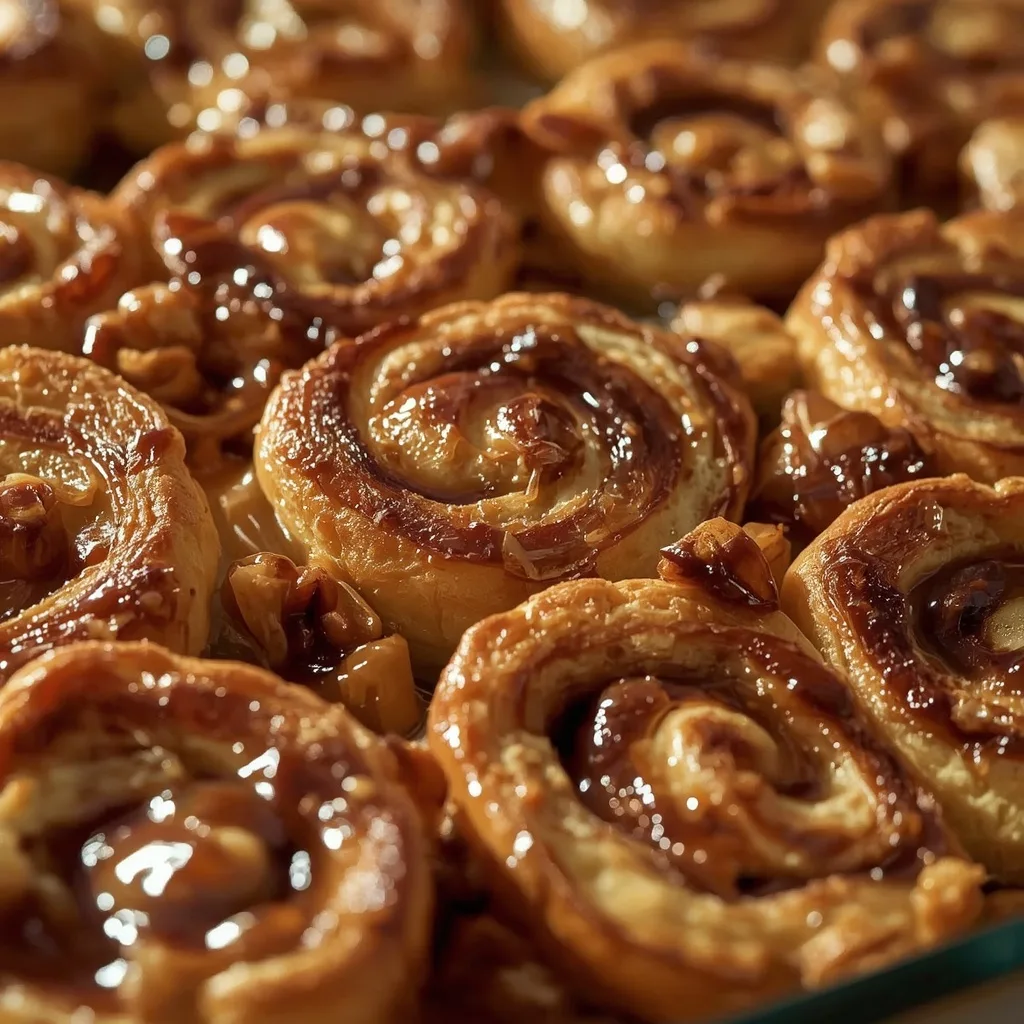
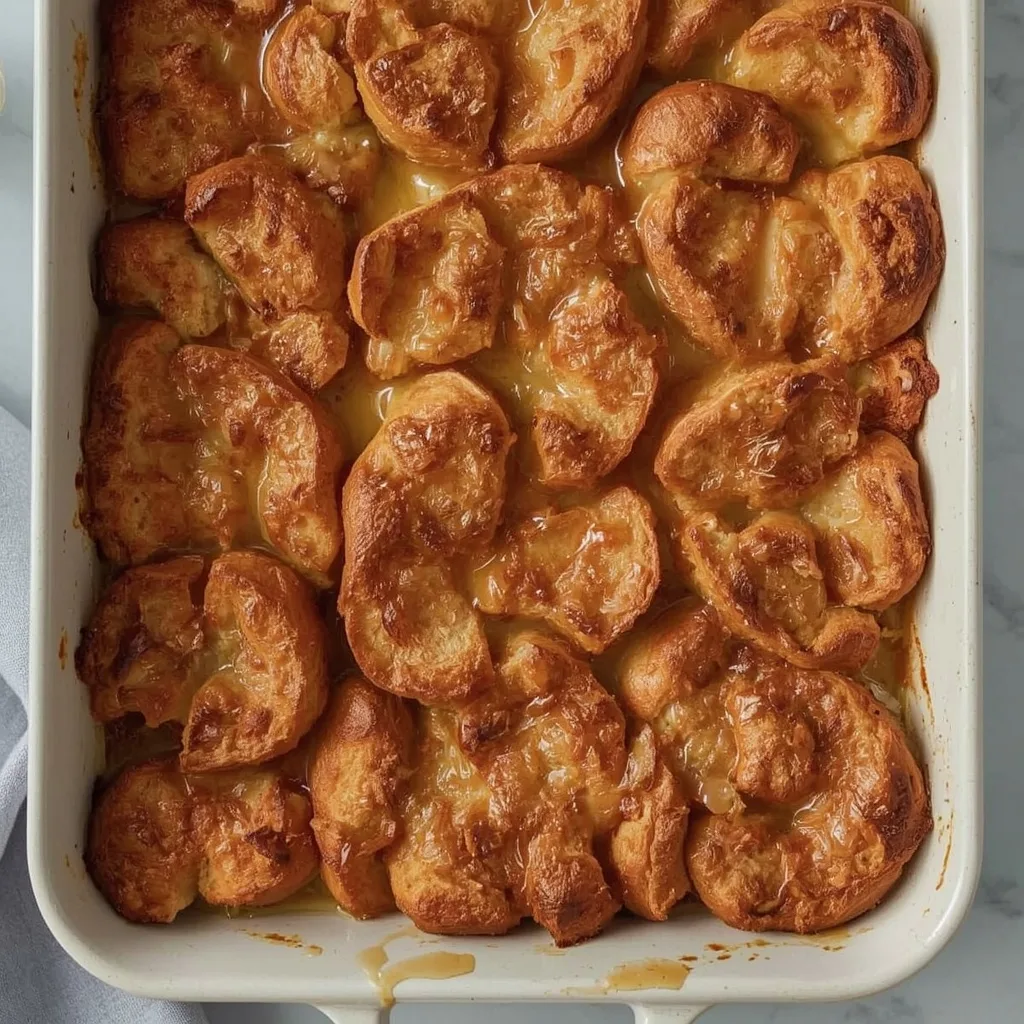
 This Pioneer Woman French Toast Casserole is the kind of breakfast that feels special without requiring much morning effort. It takes thick slices of challah or brioche, drenches them in a rich custard, and bakes until the top turns crisp and caramelized while the inside stays soft and creamy.
The whole thing comes together in about an hour, and I would call it a solid intermediate recipe—mostly because the resting and soaking steps demand a little patience. If you have ever ended up with dry French toast, this baked version solves that problem completely.
A Quick Glimpse at Pioneer Woman French Toast Casserole
This is a baked French toast made from challah or brioche soaked in a mixture of eggs, whole milk, heavy cream, and warm spices. The top gets a buttery crumb topping that bakes into a crunchy, caramelized crust. The inside stays tender and custard-like, almost like bread pudding. It is an American breakfast classic, perfect for holidays, brunch gatherings, or any morning you want something indulgent.
Why This Recipe is Worth Trying
- No standing at the stove — After the initial prep, the oven does all the work while you get ready or relax with coffee.
- Make-ahead convenience — You can assemble the whole dish the night before and bake it fresh in the morning.
- Custard-soaked perfection — The 10-minute soaking step ensures every bread slice is saturated, so no dry spots survive.
- Crunchy topping — The cold butter crumble bakes into a crisp, caramelized layer that contrasts beautifully with the soft interior.
- Feeds a crowd — One 9×13-inch dish serves four generous portions, and it scales up easily for larger groups.
Essential Ingredients for This Recipe
Every ingredient here plays a specific role, from building the custard to creating that golden topping. Here is what you need and why it matters.
For the Custard
- 1 loaf (about 1 lb / 450 g) challah or brioche, cut into 1-inch thick slices (crust on) — These rich, eggy breads soak up the custard without turning mushy. The crust holds the structure, so keep it on.
- 6 large eggs — They provide the protein that sets the custard as it bakes, giving the casserole its firm yet tender texture.
- 1 1/2 cups whole milk — Whole milk adds enough fat for richness without making the custard too heavy.
- 1/2 cup heavy cream — This brings extra richness and helps the custard stay creamy even after baking.
- 1/4 cup granulated sugar — Adds sweetness and helps with browning on the surface.
- 2 tablespoons packed light brown sugar — The molasses in brown sugar adds depth and a subtle caramel note.
- 1 teaspoon vanilla extract — Round out the flavors and makes everything taste warmer.
- 1/2 teaspoon ground cinnamon — Classic warm spice that pairs perfectly with French toast.
- 1/4 teaspoon ground nutmeg — A small amount adds complexity without overpowering the cinnamon.
- 1/2 teaspoon kosher salt — Balances the sweetness and enhances all the other flavors.
- 2 tablespoons unsalted butter, melted, plus more for greasing the dish — Melted butter adds moisture and helps the topping brown. The greased dish prevents sticking.
For the Crumb Topping
- 2 tablespoons unsalted butter, cold, cut into small cubes — Cold butter creates irregular crumb pieces that bake into crunchy clusters.
- 2 tablespoons all-purpose flour — The base for the crumb, giving it structure and a tender texture.
- 2 tablespoons packed light brown sugar — Adds sweetness and helps the topping caramelize.
- 1/2 teaspoon ground cinnamon — Reinforces the cinnamon flavor from the custard.
- Pinch kosher salt — Balances the sweetness in the topping.
Useful Equipment
- 9×13-inch baking dish — The standard size for this recipe; a ceramic or glass dish works best for even heating.
- Large mixing bowl — Big enough to whisk the eggs and custard without splashing.
- Whisk — You need this to thoroughly combine the custard ingredients until smooth.
- Spatula — Useful for pressing the bread down into the custard during the soak.
- Pastry cutter or your fingers — To work the cold butter into the flour mixture for the crumb topping; a fork also works in a pinch.
Directions to Make Pioneer Woman French Toast Casserole
The process is straightforward, but the resting and soaking steps are where most people rush. Here is exactly how to do it.
- Prepare the dish and bread — Preheat the oven to 350°F / 177°C. Grease a 9×13-inch baking dish with a thin layer of softened unsalted butter. Arrange the bread slices in the dish, overlapping slightly if needed to fit snugly in a single layer.
- Make the custard — In a large bowl, crack the 6 eggs and whisk vigorously for 30 seconds until uniform and slightly frothy. Add the whole milk, heavy cream, granulated sugar, 2 tablespoons brown sugar, vanilla extract, 1/2 teaspoon cinnamon, nutmeg, and 1/2 teaspoon kosher salt. Whisk until the sugars are fully dissolved and the mixture is smooth, about 1 minute.
- Soak the bread — Slowly pour the custard mixture evenly over the bread slices, ensuring every piece is saturated. Gently press down on the bread with a spatula to help it absorb the liquid. Let it sit for 10 minutes at room temperature, turning the slices once halfway through, so the custard permeates the bread.
- Make the crumb topping — While the bread soaks, in a small bowl, combine the cold cubed butter, flour, 2 tablespoons brown sugar, remaining 1/2 teaspoon cinnamon, and a pinch of kosher salt. Use your fingertips or a pastry cutter to work the butter into the dry ingredients until the mixture resembles coarse, pea-sized crumbs. Set aside.
- Assemble and bake — Drizzle the 2 tablespoons of melted butter evenly over the soaked bread. Sprinkle the crumb topping over the top, covering the surface evenly for a crunchy, caramelized finish. Place the baking dish on the middle rack of the preheated oven. Bake for 40 to 45 minutes, rotating the dish halfway through for even browning. The casserole is done when the top is deep golden brown and crisp, and the center is just set — a knife inserted near the center should come out clean with no liquid custard, but may have a moist crumb.
- Rest and serve — Remove from the oven and let it rest on a wire rack for 5 minutes. This allows the custard to firm up and makes slicing cleaner. Serve warm, directly from the dish, using a large spatula to lift out portions.
What I Got Wrong (And How I Fixed It)
- Skipping the soak — I poured the custard and baked immediately, and the bread came out dry in the center. Waiting the full 10 minutes and turning the slices once makes every bite perfectly moist.
- Using pre-sliced sandwich bread — Regular bread turned into a soggy mess. Challah or brioche with their dense, eggy crumb hold up much better.
- Forgetting to rotate the dish — The edges browned faster than the center. Rotating the dish halfway through the bake ensures even color and doneness.
- Baking straight from the fridge — The casserole needed an extra 10 minutes and the top got too dark before the center set. Letting it sit at room temperature for 30 minutes before baking helps.
- Skipping the rest after baking — I cut into it right away and the custard ran out like soup. That 5-minute rest firms everything up beautifully.
Healthier Ways to Make Pioneer Woman French Toast Casserole
- Swap whole milk for skim milk — This reduces the fat content by roughly 4 grams per serving. The custard will be slightly thinner but still works.
- Replace heavy cream with half-and-half — Half-and-half cuts about 15 grams of fat from the entire recipe while keeping a creamy texture.
- Use coconut sugar instead of brown sugar — Coconut sugar has a lower glycemic index and adds a similar caramel flavor. Use the same amount.
- Add fresh berries to the dish — Layer blueberries or raspberries between the bread slices before pouring the custard. They add fiber and natural sweetness without extra sugar.
- Reduce the topping butter by half — Use 1 tablespoon cold butter instead of 2 in the crumb topping. The crumb will be less crisp but still adds texture.
Ingredient Substitutions for Pioneer Woman French Toast Casserole
- Challah or brioche → Sourdough or French bread — Sourdough’s tangy flavor pairs well with the sweet custard, and French bread’s firm crumb holds up just as well. No adjustment needed.
- Whole milk → oat milk or almond milk — For a dairy-free option, oat milk provides the best creamy substitute. Use an unsweetened version to avoid adding extra sugar.
- Heavy cream → full-fat coconut milk (canned) — Coconut milk gives a similar richness and works beautifully in this custard. It adds a subtle coconut flavor that complements the cinnamon.
- Granulated sugar → maple syrup or honey — Replace the 1/4 cup sugar with 3 tablespoons of maple syrup or honey. Reduce the milk by 1 tablespoon to keep the liquid ratio balanced.
- All-purpose flour → almond flour — For the crumb topping, almond flour works well and adds a nutty flavor. Use the same amount; the texture will be slightly more delicate.
Unexpected Ways to Enjoy This Pioneer Woman French Toast Casserole
- Top with a drizzle of balsamic glaze — The sweet-tart glaze cuts through the richness and adds a surprising, sophisticated twist.
- Serve with a dollop of mascarpone cheese — The creamy, slightly tangy mascarpone is a fantastic alternative to maple syrup.
- Layer it into a trifle — Cube the baked casserole and layer it with whipped cream and fresh strawberries for a dessert-style breakfast trifle.
- Use it as a base for bread pudding — The baked casserole, when cubed and soaked with extra custard, can be baked again into a richer bread pudding.
- Grill slices on a panini press — Leftover slices pressed on a hot panini grill develop a crisp, golden exterior and warm, custardy center.
Best Tips for Pioneer Woman French Toast Casserole Success
- Slightly stale bread absorbs better — Bread that is a day or two old soaks up the custard without disintegrating. Fresh bread can work if you let it sit out uncovered for an hour.
- Press, don’t stir — When you pour the custard over the bread, use a spatula to gently press down rather than stirring. This saturates the bread without breaking the slices.
- Use a digital scale for the bread — A 1-pound loaf gives exactly the right amount for a single layer in the dish. Too much bread leaves dry spots, too little leaves puddles of custard.
- Rest the assembled dish overnight — If you have the time, refrigerating the unbaked casserole for 8 hours allows the custard to fully penetrate the bread for an even more tender texture.
- Test doneness with a knife, not a timer — Ovens vary, so rely on the visual cues: a knife inserted near the center should come out clean. If it looks wet, bake another 5 minutes and test again.
- Let it cool fully before freezing — If you plan to freeze leftovers, let the casserole cool completely on a wire rack. Wrapping it while warm creates condensation that makes the top soggy.
Tasty Twists on Pioneer Woman French Toast Casserole
- Chocolate Hazelnut — Spread a thin layer of Nutella between the bread slices before assembling. The chocolate melts into the custard during baking.
- Lemon Ricotta — Add 1/4 cup ricotta cheese and 1 tablespoon lemon zest to the custard mixture. The tangy cheese and bright citrus balance the sweetness.
- Peach Pecan — Layer sliced fresh peaches and chopped pecans between the bread. The fruit releases juice that flavors the custard, and the pecans add crunch.
- Apple Fritter — Cook diced apples with butter and sugar until soft, then layer them over the soaked bread before adding the crumb topping. It tastes like a baked apple fritter.
- Mexican Hot Chocolate — Add 1 teaspoon cocoa powder, 1/4 teaspoon cayenne pepper, and an extra 1/2 teaspoon cinnamon to the custard. The spice wakes up the whole dish.
Best Ways to Store Your Pioneer Woman French Toast Casserole
- Refrigerator — Store leftovers tightly covered in the refrigerator for up to 3 days. Use a lid or wrap the dish tightly with plastic wrap.
- Freezer (uncooked) — Assemble the casserole in the dish, wrap tightly with plastic wrap then foil, and freeze for up to 2 months. Thaw overnight in the refrigerator before baking.
- Freezer (baked) — Bake and cool the casserole completely. Wrap it tightly in plastic wrap then foil, and freeze for up to 2 months. Thaw overnight in the refrigerator before reheating.
- Individual portions — Cut the baked casserole into single-serving pieces and wrap each piece in plastic wrap, then foil. This makes reheating quick—just grab one piece at a time.
Ways to Warm It Up Again
- Oven method — Place individual portions on a baking sheet and warm in a 300°F / 149°C oven for 8-10 minutes. The topping stays crisp and the center heats through evenly.
- Microwave method — Microwave on medium power in 30-second intervals until heated through. This takes about 1-2 minutes but will soften the crunchy topping.
- Air fryer method — Place a single portion in the air fryer basket at 300°F / 149°C for 4-5 minutes. The hot air revives the crisp topping beautifully.
Nutritional Breakdown (per serving)
Based on 1 serving = 1 portion out of 4 total
- Calories: 580
- Protein: 19g
- Fat: 32g
- Saturated Fat: about 16g
- Carbohydrates: 58g
- Fiber: 2g
- Sugar: around 24g
- Sodium: 480mg
- Cholesterol: roughly 260mg
Try These Recipes
Wrapping It Up
This Pioneer Woman French Toast Casserole is one of those rare breakfast dishes that feels both indulgent and practical. The crunchy topping, the custardy center, and the make-ahead convenience make it a winner for any morning gathering. Give it a try next time you want a special breakfast without standing at the stove.
PrintPioneer Woman French Toast Casserole

This French toast casserole combines thick slices of challah or brioche soaked in a rich, custard-like egg mixture and baked until golden and puffed. The top turns crisp and caramelized while the interior remains soft and custardy, making it an indulgent yet effortless breakfast or brunch centerpiece.
- Prep Time: 15
- Cook Time: 45
- Total Time: 60
- Yield: 4 1x
- Category: Breakfast
- Method: Baking
- Cuisine: American
Ingredients
- 1 loaf (about 1 lb / 450 g) challah or brioche, cut into 1-inch thick slices (crust on)
- 6 large eggs
- 1 1/2 cups whole milk
- 1/2 cup heavy cream
- 1/4 cup granulated sugar
- 2 tablespoons packed light brown sugar
- 1 teaspoon vanilla extract
- 1/2 teaspoon ground cinnamon
- 1/4 teaspoon ground nutmeg
- 1/2 teaspoon kosher salt
- 2 tablespoons unsalted butter, melted, plus more for greasing the dish
- For the topping:
- 2 tablespoons unsalted butter, cold, cut into small cubes
- 2 tablespoons all-purpose flour
- 2 tablespoons packed light brown sugar
- 1/2 teaspoon ground cinnamon
- Pinch kosher salt
Instructions
- Preheat the oven to 350°F / 177°C. Grease a 9×13-inch baking dish with a thin layer of softened unsalted butter to prevent sticking and add light flavor. Arrange the bread slices in the dish, overlapping slightly if needed to fit snugly in a single layer.
- In a large bowl, crack the 6 eggs and whisk vigorously for 30 seconds until uniform and slightly frothy. Add the whole milk, heavy cream, granulated sugar, 2 tablespoons brown sugar, vanilla extract, 1/2 teaspoon cinnamon, nutmeg, and 1/2 teaspoon kosher salt. Whisk until the sugars are fully dissolved and the mixture is smooth, about 1 minute.
- Slowly pour the custard mixture evenly over the bread slices, ensuring every piece is saturated. Gently press down on the bread with a spatula to help it absorb the liquid. Let it sit for 10 minutes at room temperature, turning the slices once halfway through, so the custard permeates the bread.
- While the bread soaks, prepare the crumb topping. In a small bowl, combine the cold cubed butter, flour, 2 tablespoons brown sugar, remaining 1/2 teaspoon cinnamon, and a pinch of kosher salt. Use your fingertips or a pastry cutter to work the butter into the dry ingredients until the mixture resembles coarse, pea-sized crumbs. Set aside.
- Drizzle the 2 tablespoons of melted butter evenly over the soaked bread. Sprinkle the crumb topping over the top, covering the surface evenly for a crunchy, caramelized finish.
- Place the baking dish on the middle rack of the preheated oven. Bake for 40 to 45 minutes, rotating the dish halfway through for even browning. The casserole is done when the top is deep golden brown and crisp, and the center is just set — a knife inserted near the center should come out clean with no liquid custard, but may have a moist crumb.
- Remove from the oven and let it rest on a wire rack for 5 minutes. This allows the custard to firm up and makes slicing cleaner. Serve warm, directly from the dish, using a large spatula to lift out portions.
- For best results, if making ahead, cover the assembled unbaked casserole with plastic wrap and refrigerate overnight. Remove from the refrigerator 30 minutes before baking to take the chill off, then bake as directed, adding 5 to 8 minutes if needed.
Notes
Storage and Reheating: Store leftovers tightly covered in the refrigerator for up to 3 days. To reheat, place individual portions on a baking sheet and warm in a 300°F / 149°C oven for 8-10 minutes, or microwave on medium power in 30-second intervals until heated through. This casserole freezes well: wrap the baked and cooled casserole tightly in plastic wrap then foil, and freeze for up to 2 months. Thaw overnight in the refrigerator and reheat as above. Do not use bacon or sausage in or with this recipe; serve with fresh fruit or maple syrup.
Nutrition
- Calories: 580
- Sugar: 24g
- Sodium: 480mg
- Unsaturated Fat: 17g
- Carbohydrates: 58g
- Fiber: 2g
- Protein: 19g
- Cholesterol: 335mg
Keywords: Pioneer Woman french toast casserole, baked french toast, overnight french toast casserole, challah french toast, brunch casserole, custard french toast, easy breakfast casserole, make-ahead breakfast, bread pudding style french toast, cinnamon french toast, vanilla french toast, holiday brunch recipe