 Anabelle
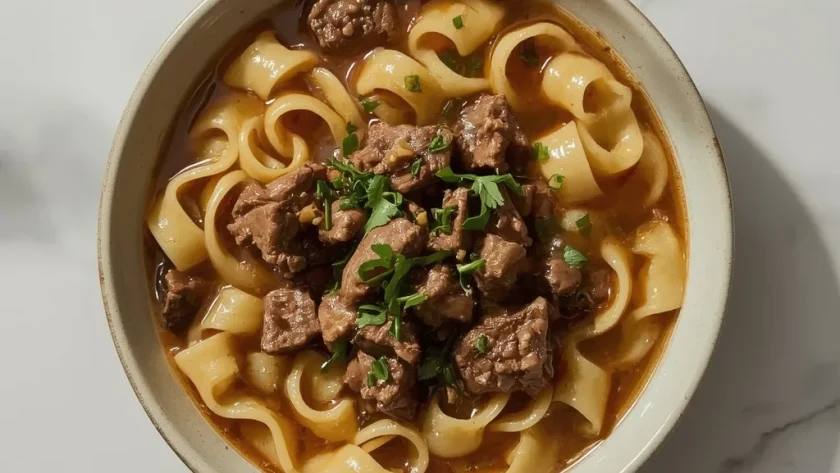
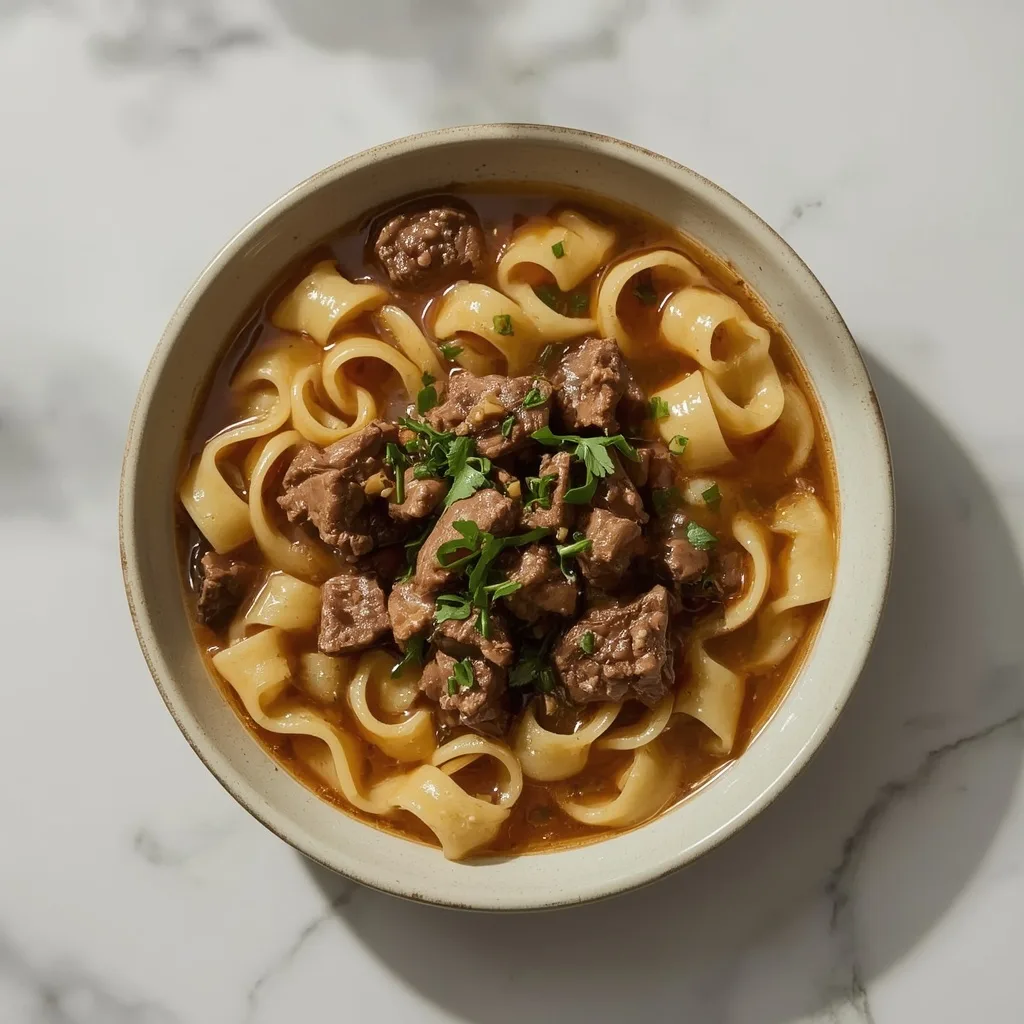
 Pioneer Woman Beef Noodle Stew is the kind of meal that makes a gray Tuesday feel like a special occasion. It is a deeply savory, one-pot main course where seared beef chuck simmers low and slow with mushrooms, carrots, and red wine until everything turns tender and rich.
You will need about 2 hours and 5 minutes from start to finish, and I would call the difficulty level solidly intermediate. The one step that demands your full attention is getting a proper dark crust on the beef — that sear builds the entire flavor foundation for the broth. Serve it on a chilly weekend when you have time to let the pot do its thing.
A Quick Glimpse at Pioneer Woman Beef Noodle Stew
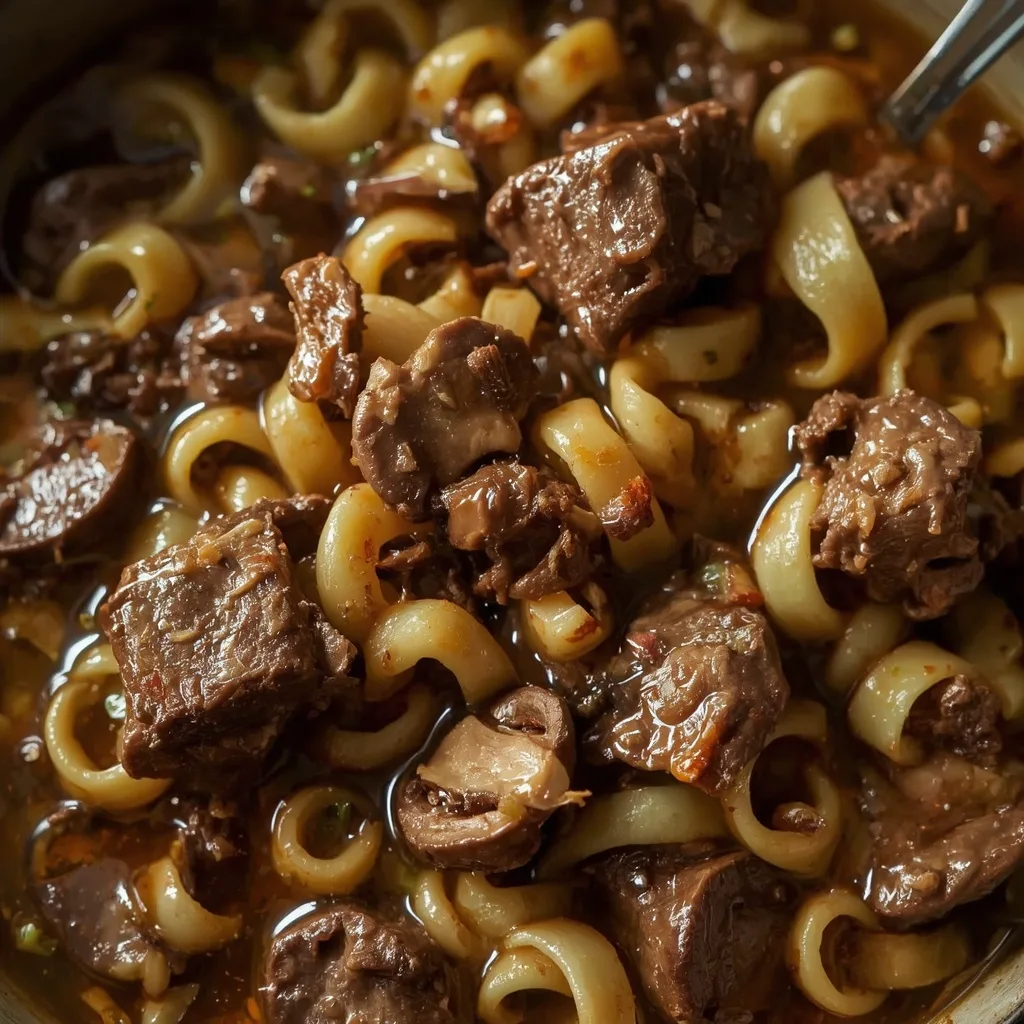
This is a stovetop stew where beef chuck is floured, seared in batches, then simmered with aromatics, red wine, and beef broth for about 45 minutes until fork-tender. Wide egg noodles cook right in the pot at the end, absorbing the savory liquid and thickening it into something silky. You get tender chunks of beef, earthy cremini mushrooms, and soft carrots in every spoonful, all wrapped in a broth that tastes deeply of wine and thyme.
Why This Recipe is Worth Trying
Here is what makes this version stand out from the average weeknight stew.
- One-Pot Convenience — The noodles cook directly in the broth, so there is no separate pot of pasta to drain and no extra dishes to wash.
- Deep Umami Flavor — The combination of seared beef, tomato paste, and red wine creates a broth with layers of savory richness you cannot rush.
- Restaurant-Quality Texture — Flour on the beef does double duty: it helps create a deep brown crust and later thickens the stew to a glossy, velvety consistency.
- Forgiving Timeline — The 45-minute simmer gives you plenty of wiggle room, so dinner can wait a few extra minutes if life gets in the way.
Essential Ingredients for This Recipe
Every ingredient here earns its place, and most are pantry staples you probably already have.
Beef and Seasoning
- 2 lbs beef chuck, cut into 1-inch cubes — This cut has enough marbling to stay moist during the long simmer. Trim excess fat, but leave some for flavor. If you cannot find chuck, look for any stew meat with good fat content.
- 2 tsp kosher salt, divided — Half seasons the beef before searing, the rest goes into the broth near the end. This two-step approach prevents an overly salty final dish.
- 1 tsp black pepper, divided — Freshly ground pepper gives a gentle warmth that builds as the stew cooks. Split it the same way as the salt.
- 3 tbsp all-purpose flour — This light coating helps the beef brown beautifully and later thickens the cooking liquid into a luscious sauce.
Aromatics and Vegetables
- 4 tbsp olive oil, divided — Use 2 tablespoons for searing the beef and the other 2 for sautéing the vegetables. Extra-virgin olive oil adds a subtle fruity note.
- 1 large yellow onion, finely diced — Yellow onions have the right balance of sweetness and sharpness for a savory stew. A fine dice means they melt into the broth as they cook.
- 2 medium carrots, sliced into coins — Cut them about 1/4-inch thick so they soften during the simmer but still hold their shape. They add a touch of natural sweetness.
- 8 oz cremini mushrooms, quartered — Quartering gives you hearty pieces that brown nicely. Cremini are meatier than white button mushrooms, so they stand up to the long cooking time.
- 2 cloves garlic, minced — Stir it in at the very end of the vegetable sauté so it becomes fragrant without burning. Burnt garlic turns bitter fast.
- 1 tbsp tomato paste — This concentrates the savory depth and adds a subtle sweetness that balances the red wine. Cooking it for a minute removes the raw, tinny taste.
Liquid and Herbs
- 1/2 cup dry red wine — Cabernet Sauvignon or Merlot work beautifully. The alcohol cooks off while the fruity, tannic notes deepen the broth. Use something you would actually drink.
- 6 cups low-sodium beef broth — Low-sodium gives you control over the final salt level. If you only have regular broth, skip the extra salt in step 7.
- 2 sprigs fresh thyme — Fresh thyme adds a subtle earthiness that complements the beef. Remove the sprigs before adding the noodles so nobody bites into a woody stem.
- 1 bay leaf — It contributes a gentle herbal undertone while simmering. Remember to fish it out along with the thyme.
Noodles and Finish
- 8 oz wide egg noodles — These soak up the broth beautifully and give the stew body. The starch they release thickens the liquid as they cook.
- 1 tbsp fresh parsley, chopped — A bright, fresh finish that cuts through the richness. Sprinkle it on right before serving, not during cooking.
Useful Equipment
You likely have most of these already, but the right pot makes all the difference.
- Dutch oven or heavy-bottomed pot — A 5- to 6-quart Dutch oven distributes heat evenly and holds the whole batch. A heavy stainless steel pot works too, but you will need to stir more often.
- Wooden spoon — This is essential for scraping up the browned bits after deglazing, which are packed with flavor. Avoid metal utensils if your pot has an enamel coating.
- Tongs — Flipping the seared beef without piercing it keeps the juices locked inside. A spatula can work, but tongs give you more control.
- Large mixing bowl — You will use this to toss the beef cubes with flour and seasonings before searing. Any big bowl works.
- Paper towels — Patting the beef completely dry before seasoning is the secret to a proper sear. Moisture is the enemy of browning.
Directions to Make Pioneer Woman Beef Noodle Stew
The method moves in stages, and each one builds on the last. Take your time with the searing — it is not the step to rush.
- Prep the Beef — Pat the cubes dry with paper towels, then season with 1 teaspoon salt and 1/2 teaspoon pepper. Toss with the flour until every piece is lightly coated.
- Sear in Batches — Heat 2 tablespoons of oil in the Dutch oven over medium-high until shimmering. Add the beef in a single layer without crowding and sear 4-5 minutes per side until deeply browned. Set aside on a plate, leaving the browned bits in the pot.
- Cook the Vegetables — Drop the heat to medium, add the remaining 2 tablespoons oil, then the onion, carrots, and mushrooms. Sauté 5-7 minutes until softened and the mushrooms have released their liquid and started browning.
- Bloom the Aromatics — Stir in the garlic and tomato paste, cooking 1 minute until fragrant while scraping the bottom of the pot. This lifts up the flavorful browned bits from searing.
- Deglaze with Wine — Pour in the red wine and scrape the bottom to release everything stuck there. Let it bubble and reduce by half, about 2 minutes. The alcohol smell will fade into something fruity.
- Simmer the Stew — Return the beef and any juices to the pot, then add the broth, thyme sprigs, and bay leaf. Bring to a boil, reduce to low, cover, and simmer gently for 45 minutes. Do not let it boil hard or the beef will toughen.
- Check and Season — After 45 minutes, the beef should be nearly fork-tender but still holding its shape. Season with the remaining salt and pepper, then remove the thyme and bay leaf.
- Cook the Noodles — Turn the heat to medium-high and bring to a rolling simmer. Stir in the egg noodles, making sure they are submerged, and cook about 8-10 minutes, stirring occasionally so they do not stick.
- Thicken the Broth — Continue simmering about 10 minutes until the noodles are al dente and the broth has thickened. The starch from the noodles creates that silky, rich texture you want.
- Finish and Serve — Taste and adjust with more salt or pepper. Ladle into deep bowls immediately and garnish with fresh parsley.
What I Got Wrong (And How I Fixed It)
These are the mistakes I made the first few times so you do not have to repeat them.
- Rushing the Sear — I flipped the beef too early and it stuck to the pot, tearing the crust. Give each side the full 4-5 minutes and let the beef release naturally when it is ready.
- Overcrowding the Pot — Adding all the beef at once dropped the temperature and steamed the meat instead of browning it. Working in two batches makes a noticeable difference in flavor.
- Skipping the Deglaze — Forgetting to scrape the bottom after adding wine left those precious browned bits stuck to the pot. The wine is your tool — use it to lift every speck into the broth.
- Boiling Instead of Simmering — A hard boil during the 45-minute simmer made the beef chewy and tough. A gentle simmer with occasional bubbles is what breaks down the collagen properly.
- Adding Noodles Too Early — I dumped them in right at the 45-minute mark, and they turned to mush by the time the beef was perfect. The stew needs to come to a rolling simmer first, and the noodles only need their own cooking time.
- Forgetting to Remove the Herbs — Leaving the thyme sprigs in while adding the noodles meant fishing woody stems out of everyone’s bowl. Pull them out with the bay leaf before the noodles go in.
Healthier Ways to Make Pioneer Woman Beef Noodle Stew
You can lighten this up without losing the deep, savory character that makes it worth cooking.
- Swap the Noodles — Whole wheat egg noodles add fiber and have a nutty flavor that pairs well with the beef. Cook them the same way, but start checking for doneness a minute earlier.
- Trim the Beef Thoroughly — Removing visible fat before cutting into cubes reduces the overall fat content. The chuck will still have enough marbling to stay tender.
- Boost the Vegetables — Add a cup of chopped celery or a handful of spinach in the last few minutes. More vegetables mean more nutrients and more volume per serving.
- Reduce the Oil — Use 2 tablespoons total instead of 4 by searing the beef in a nonstick pot. The beef will not brown quite as deeply, but the stew still tastes great.
- Cut the Salt — Use no-salt-added beef broth and skip the final seasoning, relying on the natural flavors instead. You can always add salt at the table if needed.
Ingredient Substitutions for Pioneer Woman Beef Noodle Stew
You do not need to run to the store if you are missing something — here are swaps that actually work.
- Beef Chuck → Beef Stew Meat — Pre-cut stew meat saves prep time, though it may be less marbled. Check tenderness at the 40-minute mark instead of 45.
- Red Wine → Extra Beef Broth — Skip the wine entirely and add 1/2 cup more broth plus 1 tablespoon of balsamic vinegar for acidity. This keeps the savory depth without the alcohol.
- Cremini Mushrooms → White Button Mushrooms — Button mushrooms are milder and slightly less meaty, but they work fine. Slice them a bit thicker since they soften faster.
- Wide Egg Noodles → Pappardelle or Fettuccine — Any wide pasta works, though cooking times vary. Break long noodles in half so they fit in the pot easily.
- Fresh Thyme → 1/2 tsp Dried Thyme — Add it with the bay leaf since dried herbs need more time to rehydrate. Reduce the amount because dried thyme is more concentrated.
- Low-Sodium Broth → Regular Broth — Just reduce or eliminate the added salt in step 7. Regular broth is already seasoned, so taste before adding more.
Unexpected Ways to Enjoy This Pioneer Woman Beef Noodle Stew
This stew is fantastic on its own, but these ideas take it somewhere entirely new.
- Over Mashed Potatoes — Serve the stew ladled over creamy mashed potatoes instead of eating the noodles. The broth soaks into the potatoes, creating a hearty, comforting plate.
- In a Bread Bowl — Hollow out crusty sourdough loaves and pour the stew inside. The bread soaks up the broth, and you can eat the bowl afterward.
- As a Pot Pie Filling — Skip the noodles, thicken the stew slightly more, and top it with puff pastry. Bake at 400°F until the pastry is golden for a cozy twist.
- Over Egg Noodles with a Poached Egg — Add a softly poached egg on top for extra richness. The runny yolk mixes into the broth and makes it even silkier.
- With a Side of Crusty Bread — A thick slice of toasted baguette or ciabatta is perfect for soaking up every last drop. Slather it with butter and it becomes its own course.
- Turn It Into a Shepherds Pie — Strain out the broth, chop the beef and vegetables, and layer them in a baking dish. Top with mashed potatoes and broil until golden brown.
Best Tips for Pioneer Woman Beef Noodle Stew Success
A few small habits separate a good stew from a truly memorable one.
- Dry the Beef Thoroughly — Pat every cube with paper towels before seasoning. Surface moisture steams instead of sears, robbing you of that deep brown crust.
- Brown in a Single Layer — Overcrowding drops the pot temperature instantly. Cook in two batches and give each piece room to develop a proper crust.
- Scrape the Pot with Wine — Use the red wine to lift every browned bit from the bottom. This deglazing step is where the broth gets its deep, savory character.
- Simmer Gently, Not Vigorously — A hard boil will toughen the beef while it should be breaking down. Look for small bubbles across the surface, not a rolling boil.
- Season in Stages — Adding half the salt to the raw beef and the rest at the end gives you better control. You can always add more, but you cannot take it out.
- Stir the Noodles Occasionally — They settle at the bottom and can stick while cooking. A stir every couple of minutes keeps them moving and evenly cooked.
- Taste Before Serving — The flavor changes as the noodles absorb liquid, so season again right at the end. A pinch of salt often makes everything pop.
Tasty Twists on Pioneer Woman Beef Noodle Stew
Once you have mastered the base recipe, these variations keep it interesting for years to come.
- Mushroom and Thyme Lovers Version — Double the cremini mushrooms and stir in a tablespoon of dried porcini powder with the tomato paste. The earthy depth becomes the star of the dish.
- Smoky Paprika Twist — Add 1 tablespoon of smoked paprika with the tomato paste for a subtle smoky warmth. It pairs especially well with the red wine and beef.
- Spicy Kick — Stir in a chopped jalapeño with the onion or a teaspoon of red pepper flakes with the garlic. The heat builds gently without overwhelming the broth.
- Root Vegetable Addition — Toss in 2 cups of diced parsnips or turnips with the carrots for a heartier, more rustic stew. They absorb flavor beautifully and add natural sweetness.
- Herb Garden Upgrade — Add a sprig of fresh rosemary along with the thyme and bay leaf. Its pine-like aroma complements the beef and mushrooms wonderfully.
- Beer Instead of Wine — Replace the red wine with 1/2 cup of dark beer like a stout or porter. This adds a malty, slightly bitter depth that is unexpected but delicious.
Best Ways to Store Your Pioneer Woman Beef Noodle Stew
Storing this stew well means you can enjoy it for days without losing quality.
- Refrigerate in an Airtight Container — Cool the stew completely, then transfer to an airtight container and refrigerate up to 3 days. The noodles will absorb liquid over time.
- Freeze Without Noodles — For freezer storage, freeze the stew before adding the noodles. It keeps up to 3 months this way, and you cook fresh noodles when reheating for the best texture.
- Portion into Individual Containers — Divide into single-serving containers before freezing so you can thaw just what you need. This makes weeknight lunches effortless.
- Label Everything — Write the date and contents on each container before freezing. Frozen stew can look identical to other frozen meals in your freezer.
Ways to Warm It Up Again
Reheating gently is the difference between a great leftover meal and a mushy disappointment.
- Stovetop Method — Reheat gently over medium heat until bubbling, about 5-7 minutes, adding a splash of broth or water to thin it out. Do not boil aggressively or the noodles turn mushy.
- Microwave Method — Heat covered on high for 2-3 minutes, stirring halfway through. Check the center since it heats fastest.
- Slow and Low Option — Warm in a slow cooker on low for 1-2 hours if you are serving a crowd. Stir occasionally and add broth as the liquid reduces.
Nutritional Breakdown (per serving)
Based on 1 serving = 1 portion out of 4 total. This is a rich, hearty meal meant for hungry appetites.
- Calories — 1045
- Protein — 79g
- Fat — 60g
- Carbohydrates — roughly 46g
- Fiber — about 4g
- Sugar — around 6g
- Sodium — about 2035mg
Try These Recipes
Wrapping It Up
Pioneer Woman Beef Noodle Stew delivers everything you want from a cold-weather meal — deep flavor, tender meat, and a broth that coats every noodle. The recipe rewards patience, but the steps are straightforward enough for a determined home cook. Give it a try on your next slow weekend, and do not forget the crusty bread for soaking up the leftovers.
PrintPioneer Woman Beef Noodle Stew
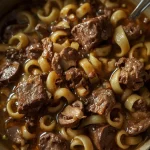
This Pioneer Woman-inspired beef noodle stew is the ultimate comfort food — a deeply savory broth loaded with tender chunks of beef, mushrooms, and egg noodles. The beef is seared to develop a rich crust, then simmered with aromatics and red wine until fall-apart tender, while the noodles cook right in the pot to soak up all the flavor.
- Prep Time: 20
- Cook Time: 105
- Total Time: 125
- Yield: 4 1x
- Category: Main Course
- Method: Stovetop
- Cuisine: American
Ingredients
- 2 lbs (900g) beef chuck, cut into 1-inch cubes, trimmed of excess fat
- 2 tsp kosher salt, divided
- 1 tsp freshly ground black pepper, divided
- 3 tbsp all-purpose flour
- 4 tbsp (1/4 cup) extra-virgin olive oil, divided
- 1 large yellow onion, finely diced
- 2 medium carrots, sliced into 1/4-inch coins
- 8 oz (250g) cremini mushrooms, quartered
- 2 cloves garlic, minced
- 1 tbsp tomato paste
- 1/2 cup dry red wine (such as Cabernet Sauvignon or Merlot)
- 6 cups low-sodium beef broth
- 2 sprigs fresh thyme
- 1 bay leaf
- 8 oz (250g) wide egg noodles
- 1 tbsp fresh parsley, chopped, for garnish
Instructions
- Pat the beef cubes dry with paper towels. Season with 1 teaspoon kosher salt and 1/2 teaspoon black pepper, then toss with the flour in a large bowl until each piece is lightly coated. The flour helps the beef brown and later thickens the stew.
- Heat 2 tablespoons of oil in a large Dutch oven or heavy-bottomed pot over medium-high heat until shimmering. Working in two batches to avoid overcrowding, add the beef in a single layer and sear for 4-5 minutes per side until deep brown. Use tongs to flip and turn — the crust adds essential flavor. Set the seared beef aside on a plate (do not wash the pot).
- Reduce heat to medium. Add the remaining 2 tablespoons of olive oil, then add the onion, carrots, and mushrooms. Sauté for 5-7 minutes, stirring occasionally, until the vegetables are softened and the mushrooms have released their liquid and begun to brown.
- Stir in the minced garlic and tomato paste. Cook for 1 minute until fragrant, scraping the bottom of the pot with a wooden spoon to lift up any browned bits — this is where the flavor is.
- Pour in the red wine, scraping the bottom of the pot to deglaze. Let the wine bubble and reduce by half, about 2 minutes, until the alcohol smell has subsided and it smells fruity and rich.
- Return the seared beef (and any accumulated juices) to the pot. Add the beef broth, fresh thyme sprigs, and bay leaf. Bring to a boil over high heat, then immediately reduce the heat to low, cover, and let it simmer gently for 45 minutes.
- After 45 minutes, test the beef — it should be nearly fork-tender but holding together. Season the broth with the remaining 1 teaspoon salt and 1/2 teaspoon black pepper. Remove the thyme sprigs and bay leaf.
- Increase heat to medium-high and bring the stew to a rolling simmer. Add the egg noodles, stirring to ensure they are submerged. Cook according to package directions, typically 8-10 minutes, stirring occasionally to prevent sticking.
- Continue to simmer until the noodles are al dente and the stew has thickened slightly, about 10 minutes. The starch from the noodles will thicken the broth — expect a silky, rich texture.
- Taste the stew and adjust seasoning with more salt or pepper if needed. Serve immediately in deep bowls, garnished with fresh parsley.
Notes
Storage: Let the stew cool completely and refrigerate in an airtight container for up to 3 days. The noodles will absorb liquid over time, so add a splash of beef broth or water when reheating. Freezing: For best results, freeze the stew without the noodles — prepare the noodles fresh when reheating. The finished stew freezes up to 3 months (if noodle-free). Reheating: On the stovetop, reheat gently over medium heat until bubbling, about 5-7 minutes. In the microwave, heat covered on high for 2-3 minutes, stirring halfway. If reheating on the stove, add extra broth as needed to thin the stew. Do not boil aggressively as it can overcook the noodles and make them mushy.
Nutrition
- Calories: 1045
- Sugar: 6g
- Sodium: 2035mg
- Unsaturated Fat: 31g
- Carbohydrates: 46g
- Fiber: 4g
- Protein: 79g
- Cholesterol: 253mg
Keywords: beef noodle stew, Pioneer Woman recipe, beef stew with egg noodles, hearty beef soup, mushroom beef stew, stovetop beef stew, one-pot beef stew, comfort food, easy beef noodle soup, American beef stew